

Choosing a name that feels unique and meaningful can be a beautiful journey. This collection of 100+ Uncommon Japanese Names With Meanings brings together rare and charming Japanese names with their meanings, pronunciations, and kanji characters.
Japanese names often reflect deep cultural values, nature, emotions, and qualities like strength, beauty, wisdom, and harmony. These Uncommon Japanese Names With Meanings include a mix of traditional, modern, and gender-neutral options that stand out from common choices.
Whether you are looking for a special baby name, a character name, or simply exploring Japanese naming traditions, this list will help you discover unique names with beautiful meanings and timeless appeal.
Why Choose Uncommon Japanese Names?
Choosing an uncommon Japanese name can help you find something unique, meaningful, and memorable. These names often have beautiful sounds, rare kanji combinations, and deeper meanings connected to nature, personality, and Japanese culture.
Unlike common names, uncommon Japanese names stand out while still carrying elegance, tradition, and a special story behind them. They are a great choice for anyone looking for a name with individuality and timeless charm.
How to Choose Uncommon Japanese Names?
Choosing an uncommon Japanese name requires more than finding a rare-sounding word. Look for a name with a meaningful kanji combination, a pleasant pronunciation, and a positive meaning.
Consider the feeling and symbolism behind the name, such as strength, beauty, nature, wisdom, or harmony. A good uncommon Japanese name should feel unique while still respecting Japanese naming traditions.
Uncommon Japanese Boy Names With Meanings

Japanese boy names are known for their deep meanings, elegant sounds, and strong cultural roots. While popular names are widely used, many parents today are searching for uncommon Japanese boy names that feel unique, meaningful, and timeless. These rare Japanese male names often draw inspiration from nature, strength, virtues, and traditional kanji, giving each name a powerful identity.
In this guide, you’ll discover unique Japanese boy names with meanings, perfect for parents, writers, or anyone interested in rare Japanese names for boys. From traditional yet uncommon choices to modern names with symbolic kanji, this list highlights distinctive Japanese male names, their meanings, and cultural significance—helping you find a name that truly stands out.
1. Aran
• Meaning: Storm; wild nature
• Pronunciation: ah-ran
• Kanji: 嵐
2. Kaito
• Meaning: Pioneer who soars
• Pronunciation: kai-toh
• Kanji: 魁翔
3. Itsuma
• Meaning: Genuine and exceptional
• Pronunciation: iht-soo-mah
• Kanji: 逸真
4. Reiji
• Meaning: Wise ruler; compassionate governance
• Pronunciation: ray-jee
• Kanji: 怜司
5. Takanori
• Meaning: Lofty virtue
• Pronunciation: tah-kah-noh-ree
• Kanji: 隆徳
6. Minato
• Meaning: Harbor; one who welcomes or soars
• Pronunciation: mee-nah-toh
• Kanji: 湊翔
7. Souta
• Meaning: Pure sound; calm composer
• Pronunciation: soh-tah
• Kanji: 奏汰
8. Haruto
• Meaning: Sunlight that soars; rising sun flight
• Pronunciation: hah-roo-toh
• Kanji: 陽翔
9. Naoya
• Meaning: Honest and true self
• Pronunciation: nah-oh-yah
• Kanji: 直哉
10. Issei
• Meaning: Wholehearted; sincere
• Pronunciation: ee-say
• Kanji: 一誠
11. Jirohito
• Meaning: Second son of compassion
• Pronunciation: jee-roh-hee-toh
• Kanji: 次郎仁
12. Takuto
• Meaning: Expanding flight; open new paths
• Pronunciation: tah-koo-toh
• Kanji: 拓翔
13. Mizuto
• Meaning: Water that soars; moving water
• Pronunciation: mee-zoo-toh
• Kanji: 水翔
14. Kazunari
• Meaning: Harmonious growth; peaceful success
• Pronunciation: kah-zoo-nah-ree
• Kanji: 和成
15. Rento
• Meaning: Lotus in flight; graceful lotus
• Pronunciation: ren-toh
• Kanji: 蓮翔
16. Shion
• Meaning: Aster flower; remembrance
• Pronunciation: shee-on
• Kanji: 紫苑
17. Kiyomori
• Meaning: Pure protection
• Pronunciation: kee-yoh-moh-ree
• Kanji: 清守
18. Raiga
• Meaning: Thunder fang
• Pronunciation: rah-ee-gah
• Kanji: 雷牙
19. Rensei
• Meaning: Lotus star
• Pronunciation: ren-say
• Kanji: 蓮星
20. Aoto
• Meaning: Blue wisteria
• Pronunciation: ah-oh-toh
• Kanji: 青藤
21. Daichi
• Meaning: Great earth
• Pronunciation: dai-chee
• Kanji: 大地
22. Harunobu
• Meaning: Spring faith
• Pronunciation: hah-roo-noh-boo
• Kanji: 春信
23. Ryoma
• Meaning: Dragon horse
• Pronunciation: ryoh-mah
• Kanji: 龍馬
24. Masanori
• Meaning: Righteous law
• Pronunciation: mah-sah-noh-ree
• Kanji: 正則
25. Kiyotaka
• Meaning: Pure nobility
• Pronunciation: kee-yoh-tah-kah
• Kanji: 清隆
26. Tomoharu
• Meaning: Wise spring
• Pronunciation: toh-moh-hah-roo
• Kanji: 智春
27. Akihisa
• Meaning: Lasting brightness
• Pronunciation: ah-kee-hee-sah
• Kanji: 明久
28. Yorimitsu
• Meaning: Abundant light
• Pronunciation: yoh-ree-mee-tsoo
• Kanji: 頼光
29. Takayuki
• Meaning: Noble happiness
• Pronunciation: tah-kah-yoo-kee
• Kanji: 隆幸
30. Shigemasa
• Meaning: Abundant righteousness
• Pronunciation: shee-geh-mah-sah
• Kanji: 重正
Read Also ;110+ Cool Japanese Names With Meanings
Uncommon Japanese Girl Names With Meaning
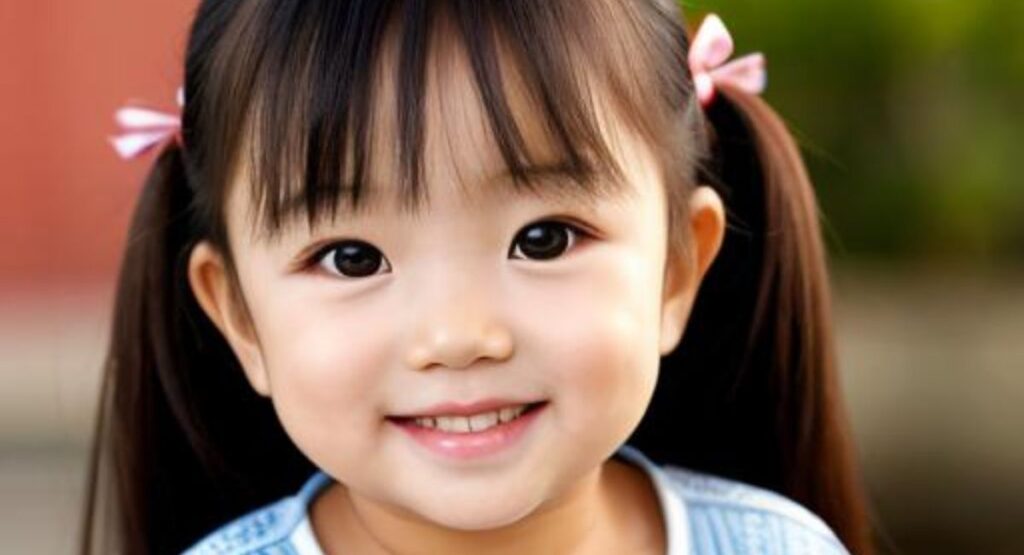
Japanese girl names are admired for their beautiful meanings, soft sounds, and rich cultural symbolism. While many traditional names remain popular, more parents are now looking for uncommon Japanese girl names that feel distinctive and meaningful. These rare Japanese female names often reflect nature, elegance, virtues, seasons, and poetic kanji, giving each name a deep emotional and cultural connection.
In this article, you’ll explore unique Japanese girl names with meanings, perfect for parents seeking originality, writers searching for authentic characters, or anyone fascinated by rare Japanese names for girls. From traditional yet uncommon choices to modern, aesthetic names with symbolic kanji, this collection highlights distinctive Japanese female names that are both timeless and memorable.
Rare Gender-Neutral Japanese Names

Japanese names often carry layers of meaning shaped by kanji, history, and symbolism, and some of the most fascinating choices are rare gender-neutral Japanese names. Unlike traditionally masculine or feminine names, these unisex Japanese names offer flexibility, balance, and modern appeal while still staying connected to cultural roots. Many of these names are inspired by nature, harmony, light, seasons, and abstract virtues, making them both meaningful and versatile.
This list explores unique gender-neutral Japanese names with meanings, ideal for parents seeking inclusive naming options, writers crafting authentic characters, or anyone interested in rare unisex Japanese names. From traditional names used for any gender to modern interpretations with expressive kanji, these distinctive Japanese gender-neutral names combine individuality, depth, and timeless beauty.
1. Aoi
• Meaning: Hollyhock; blue-green
• Pronunciation: ah-oh-ee
• Kanji: 葵
2. Akira
• Meaning: Bright; clear
• Pronunciation: ah-kee-rah
• Kanji: 明
3. Haru
• Meaning: Spring; sunlight
• Pronunciation: hah-roo
• Kanji: 春
4. Ren
• Meaning: Lotus; love
• Pronunciation: ren
• Kanji: 蓮
5. Kaoru
• Meaning: Fragrance
• Pronunciation: kah-oh-roo
• Kanji: 薫
6. Nagi
• Meaning: Calm sea; tranquility
• Pronunciation: nah-ghee
• Kanji: 凪
7. Izumi
• Meaning: Fountain; spring
• Pronunciation: ee-zoo-mee
• Kanji: 泉
8. Makoto
• Meaning: Sincerity; truth
• Pronunciation: mah-koh-toh
• Kanji: 誠
9. Rei
• Meaning: Spirit; grace
• Pronunciation: ray
• Kanji: 怜
10. Sora
• Meaning: Sky
• Pronunciation: soh-rah
• Kanji: 空
11. Yuki
• Meaning: Snow; happiness
• Pronunciation: yoo-kee
• Kanji: 雪
12. Hinata
• Meaning: Sunny place
• Pronunciation: hee-nah-tah
• Kanji: 陽向
13. Subaru
• Meaning: Unite; Pleiades star cluster
• Pronunciation: soo-bah-roo
• Kanji: 昴
14. Ritsu
• Meaning: Rhythm; law
• Pronunciation: ree-tsoo
• Kanji: 律
15. Michi
• Meaning: Path; journey
• Pronunciation: mee-chee
• Kanji: 道
16. Itsuki
• Meaning: Tree; timber tree
• Pronunciation: eet-soo-kee
• Kanji: 樹
17. Nagiha
• Meaning: Calm waves
• Pronunciation: nah-ghee-hah
• Kanji: 凪葉
18. Towa
• Meaning: Eternity
• Pronunciation: toh-wah
• Kanji: 永遠
19. Kohaku
• Meaning: Amber gemstone
• Pronunciation: koh-hah-koo
• Kanji: 琥珀
20. Asahi
• Meaning: Morning sun
• Pronunciation: ah-sah-hee
• Kanji: 朝日
21. Shion
• Meaning: Aster flower
• Pronunciation: shee-on
• Kanji: 紫苑
22. Minori
• Meaning: Harvest; fruitful growth
• Pronunciation: mee-noh-ree
• Kanji: 実り
23. Kanade
• Meaning: Musical performance
• Pronunciation: kah-nah-deh
• Kanji: 奏
24. Amane
• Meaning: Sound of heaven
• Pronunciation: ah-mah-neh
• Kanji: 天音
25. Hikaru
• Meaning: Light; radiance
• Pronunciation: hee-kah-roo
• Kanji: 光
26. Rui
• Meaning: Kind; affectionate
• Pronunciation: roo-ee
• Kanji: 琉衣
27. Yuzuru
• Meaning: To yield; gentle nature
• Pronunciation: yoo-zoo-roo
• Kanji: 譲
28. Noa
• Meaning: Love and affection
• Pronunciation: noh-ah
• Kanji: 乃愛
29. Seiya
• Meaning: Sacred night; starry night
• Pronunciation: say-yah
• Kanji: 星夜
30. Aki
• Meaning: Bright; autumn
• Pronunciation: ah-kee
• Kanji: 秋
31. Tomo
• Meaning: Wisdom; friendship
• Pronunciation: toh-moh
• Kanji: 智
32. Chihiro
• Meaning: Thousand fathoms; vast depth
• Pronunciation: chee-hee-roh
• Kanji: 千尋
33. Kazuki
• Meaning: Harmonious hope
• Pronunciation: kah-zoo-kee
• Kanji: 和希
34. Rion
• Meaning: Sound of a village bell
• Pronunciation: ree-on
• Kanji: 莉音
35. Tsukasa
• Meaning: Leader; ruler
• Pronunciation: tsoo-kah-sah
• Kanji: 司
Read Also; 105+Japanese Names That Mean Dark, Shadow
Traditional Yet Uncommon Japanese Names

Japanese names rooted in tradition often carry a sense of history, symbolism, and timeless elegance, yet many of these names remain beautifully underused. Traditional yet uncommon Japanese names reflect classical values, ancient kanji meanings, and cultural depth while still feeling distinctive in the modern world. These names are frequently inspired by nature, virtues, seasons, strength, and spiritual concepts, giving them lasting significance beyond trends.
In this collection, you’ll discover rare traditional Japanese names with meanings, ideal for parents seeking authenticity, writers aiming for culturally accurate names, or anyone interested in old Japanese names that are still uncommon today. From historical name styles to quietly rare choices with meaningful kanji, these unique traditional Japanese names offer a perfect balance between heritage and individuality.
1. Masahiro
• Meaning: Great righteousness; broad wisdom
• Pronunciation: mah-sah-hee-roh
• Kanji: 正宏
2. Yoshitaka
• Meaning: Noble virtue; righteous prosperity
• Pronunciation: yoh-shee-tah-kah
• Kanji: 義隆
3. Chiyoko
• Meaning: Thousand generations child
• Pronunciation: chee-yoh-koh
• Kanji: 千代子
4. Tadashi
• Meaning: Loyal; correct and honest
• Pronunciation: tah-dah-shee
• Kanji: 正
5. Fumiko
• Meaning: Child of treasured writings
• Pronunciation: foo-mee-koh
• Kanji: 文子
6. Katsuro
• Meaning: Victorious son
• Pronunciation: kah-tsoo-roh
• Kanji: 勝郎
7. Sachiko
• Meaning: Child of happiness
• Pronunciation: sah-chee-koh
• Kanji: 幸子
8. Noboru
• Meaning: To rise; ascend
• Pronunciation: noh-boh-roo
• Kanji: 昇
9. Mitsuko
• Meaning: Child of light
• Pronunciation: meet-soo-koh
• Kanji: 光子
10. Hideo
• Meaning: Excellent man
• Pronunciation: hee-deh-oh
• Kanji: 英雄
11. Keiko
• Meaning: Blessed child; respectful child
• Pronunciation: kay-koh
• Kanji: 恵子
12. Shigeru
• Meaning: Abundant growth
• Pronunciation: shee-geh-roo
• Kanji: 茂
13. Yasuko
• Meaning: Peaceful child
• Pronunciation: yah-soo-koh
• Kanji: 康子
14. Harumichi
• Meaning: Spring path
• Pronunciation: hah-roo-mee-chee
• Kanji: 春道
15. Tomoe
• Meaning: Blessing; circle pattern
• Pronunciation: toh-moh-eh
• Kanji: 巴
16. Isamu
• Meaning: Courage; bravery
• Pronunciation: ee-sah-moo
• Kanji: 勇
17. Ayako
• Meaning: Colorful child
• Pronunciation: ah-yah-koh
• Kanji: 彩子
18. Kazuo
• Meaning: Harmonious man
• Pronunciation: kah-zoo-oh
• Kanji: 和夫
19. Chiyo
• Meaning: Thousand generations
• Pronunciation: chee-yoh
• Kanji: 千代
20. Mitsuo
• Meaning: Shining man
• Pronunciation: meet-soo-oh
• Kanji: 光男
21. Reiko
• Meaning: Grateful child; lovely child
• Pronunciation: ray-koh
• Kanji: 礼子
22. Toshio
• Meaning: Talented man; wise person
• Pronunciation: toh-shee-oh
• Kanji: 俊夫
23. Kiyoko
• Meaning: Pure child
• Pronunciation: kee-yoh-koh
• Kanji: 清子
24. Masato
• Meaning: Righteous person
• Pronunciation: mah-sah-toh
• Kanji: 正人
25. Hanako
• Meaning: Flower child
• Pronunciation: hah-nah-koh
• Kanji: 花子
26. Yukio
• Meaning: Courageous happiness
• Pronunciation: yoo-kee-oh
• Kanji: 幸雄
27. Toshiko
• Meaning: Clever child
• Pronunciation: toh-shee-koh
• Kanji: 敏子
28. Noriaki
• Meaning: Bright principle
• Pronunciation: noh-ree-ah-kee
• Kanji: 則明
29. Sumiko
• Meaning: Clear child; refined child
• Pronunciation: soo-mee-koh
• Kanji: 澄子
30. Akihiko
• Meaning: Bright prince; shining man
• Pronunciation: ah-kee-hee-koh
• Kanji: 明彦
Modern & Stylish Japanese Names
Modern Japanese names reflect a blend of contemporary style, creative kanji choices, and evolving cultural trends. Unlike traditional naming conventions, modern and stylish Japanese names often feature short, sleek sounds, unique kanji combinations, and meanings connected to individuality, beauty, light, nature, and innovation. These names feel fashionable yet meaningful, making them increasingly popular among today’s parents and creatives.
In this list, you’ll explore modern Japanese names with meanings, including trendy Japanese boy and girl names as well as stylish unisex options. Whether you’re looking for aesthetic Japanese names, names influenced by modern pop culture, or unique contemporary Japanese names, this collection highlights fresh choices that stand out while still honoring Japanese language and symbolism.
1. Haruto
• Meaning: Sunlight that soars; rising sun flight
• Pronunciation: hah-roo-toh
• Kanji: 陽翔
2. Airi
• Meaning: Love and jasmine
• Pronunciation: eye-ree
• Kanji: 愛莉
3. Kaito
• Meaning: Ocean flight; soaring person
• Pronunciation: kai-toh
• Kanji: 海翔
4. Yuna
• Meaning: Gentle; kind flower
• Pronunciation: yoo-nah
• Kanji: 優奈
5. Sora
• Meaning: Sky
• Pronunciation: soh-rah
• Kanji: 空
6. Ren
• Meaning: Lotus; pure heart
• Pronunciation: ren
• Kanji: 蓮
7. Hina
• Meaning: Sunshine; warm beauty
• Pronunciation: hee-nah
• Kanji: 陽菜
8. Riku
• Meaning: Land; strong spirit
• Pronunciation: ree-koo
• Kanji: 陸
9. Mei
• Meaning: Bright beauty
• Pronunciation: may
• Kanji: 芽衣
10. Aoto
• Meaning: Blue sky; blue wisteria
• Pronunciation: ah-oh-toh
• Kanji: 青翔
11. Kohana
• Meaning: Little flower
• Pronunciation: koh-hah-nah
• Kanji: 小花
12. Itsuki
• Meaning: Tree; growth
• Pronunciation: eet-soo-kee
• Kanji: 樹
13. Rina
• Meaning: Jasmine village; graceful
• Pronunciation: ree-nah
• Kanji: 莉奈
14. Minato
• Meaning: Harbor; welcoming place
• Pronunciation: mee-nah-toh
• Kanji: 湊
15. Yui
• Meaning: Connection; kindness
• Pronunciation: yoo-ee
• Kanji: 結衣
16. Hinata
• Meaning: Sunny place
• Pronunciation: hee-nah-tah
• Kanji: 陽向
17. Kiyora
• Meaning: Pure and beautiful
• Pronunciation: kee-yoh-rah
• Kanji: 清良
18. Rento
• Meaning: Lotus flight; graceful lotus
• Pronunciation: ren-toh
• Kanji: 蓮翔
19. Mio
• Meaning: Beautiful cherry blossom; ocean channel
• Pronunciation: mee-oh
• Kanji: 美桜
20. Taiga
• Meaning: Great river; powerful nature
• Pronunciation: tai-gah
• Kanji: 大河
21. Sakura
• Meaning: Cherry blossom
• Pronunciation: sah-koo-rah
• Kanji: 桜
22. Reo
• Meaning: Brave; clever
• Pronunciation: ray-oh
• Kanji: 怜央
23. Ayaka
• Meaning: Colorful flower
• Pronunciation: ah-yah-kah
• Kanji: 彩花
24. Toma
• Meaning: Winter truth; honest person
• Pronunciation: toh-mah
• Kanji: 冬真
25. Nanami
• Meaning: Seven seas
• Pronunciation: nah-nah-mee
• Kanji: 七海
26. Subaru
• Meaning: United stars; Pleiades
• Pronunciation: soo-bah-roo
• Kanji: 昴
27. Runa
• Meaning: Moon; beauty
• Pronunciation: roo-nah
• Kanji: 月菜
28. Hayate
• Meaning: Fresh wind
• Pronunciation: hah-yah-teh
• Kanji: 疾風
29. Aika
• Meaning: Love song
• Pronunciation: eye-kah
• Kanji: 愛歌
30. Yuto
• Meaning: Gentle flight; excellence
• Pronunciation: yoo-toh
• Kanji: 優翔
Mythology & Historical Japanese Names
Japanese mythology is filled with powerful deities, legendary warriors, and timeless figures. Many names from these tales are rarely used today, making them stand out as uncommon yet meaningful choices.
Here’s a collection of uncommon Japanese names inspired by gods, heroes, and historic legends — perfect for those who value heritage.
1. Amaterasu
• Meaning: Shining heaven; heavenly illumination
• Pronunciation: ah-mah-teh-rah-soo
• Kanji: 天照
2. Susanoo
• Meaning: God of storms and seas
• Pronunciation: soo-sah-noh-oh
• Kanji: 須佐之男
3. Tsukuyomi
• Meaning: Moon reader; moon god
• Pronunciation: tsoo-koo-yoh-mee
• Kanji: 月読
4. Izanagi
• Meaning: Male creator deity
• Pronunciation: ee-zah-nah-ghee
• Kanji: 伊邪那岐
5. Izanami
• Meaning: Female creator deity
• Pronunciation: ee-zah-nah-mee
• Kanji: 伊邪那美
6. Hachiman
• Meaning: God of warriors and protection
• Pronunciation: hah-chee-mahn
• Kanji: 八幡
7. Raijin
• Meaning: God of thunder
• Pronunciation: rye-jin
• Kanji: 雷神
8. Fujin
• Meaning: God of wind
• Pronunciation: foo-jin
• Kanji: 風神
9. Inari
• Meaning: Deity of rice and prosperity
• Pronunciation: ee-nah-ree
• Kanji: 稲荷
10. Benzaiten
• Meaning: Goddess of music and wisdom
• Pronunciation: ben-zai-ten
• Kanji: 弁財天
11. Jimmu
• Meaning: Divine warrior emperor
• Pronunciation: jeem-moo
• Kanji: 神武
12. Yamatotakeru
• Meaning: Brave warrior of Yamato
• Pronunciation: yah-mah-toh-tah-keh-roo
• Kanji: 日本武尊
13. Himiko
• Meaning: Sun child; ancient queen
• Pronunciation: hee-mee-koh
• Kanji: 卑弥呼
14. Tomoe
• Meaning: Ancient warrior symbol; circle pattern
• Pronunciation: toh-moh-eh
• Kanji: 巴
15. Masamune
• Meaning: Righteousness and truth
• Pronunciation: mah-sah-moo-neh
• Kanji: 正宗
16. Yoshitsune
• Meaning: Righteous warrior name
• Pronunciation: yoh-shee-tsoo-neh
• Kanji: 義経
17. Benkei
• Meaning: Strong warrior monk
• Pronunciation: ben-kay
• Kanji: 弁慶
18. Kenshin
• Meaning: Humble heart; devoted spirit
• Pronunciation: ken-shin
• Kanji: 謙信
19. Nobunaga
• Meaning: Faithful leader
• Pronunciation: noh-boo-nah-gah
• Kanji: 信長
20. Hideyoshi
• Meaning: Excellent and fortunate
• Pronunciation: hee-deh-yoh-shee
• Kanji: 秀吉
21. Ieyasu
• Meaning: Peaceful household
• Pronunciation: ee-eh-yah-soo
• Kanji: 家康
22. Shingen
• Meaning: True faith; belief
• Pronunciation: shin-gen
• Kanji: 信玄
23. Sanada
• Meaning: Famous samurai clan name
• Pronunciation: sah-nah-dah
• Kanji: 真田
24. Yukimura
• Meaning: Courage and village
• Pronunciation: yoo-kee-moo-rah
• Kanji: 幸村
25. Takeda
• Meaning: Warrior family name
• Pronunciation: tah-keh-dah
• Kanji: 武田
26. Akihito
• Meaning: Bright and compassionate person
• Pronunciation: ah-kee-hee-toh
• Kanji: 明仁
27. Michizane
• Meaning: Wise path; scholarly virtue
• Pronunciation: mee-chee-zah-neh
• Kanji: 道真
28. Tamamo
• Meaning: Jewel-like spirit
• Pronunciation: tah-mah-moh
• Kanji: 玉藻
29. Kagutsuchi
• Meaning: God of fire
• Pronunciation: kah-goo-tsoo-chee
• Kanji: 火之迦具土
30. Konohanasakuya
• Meaning: Goddess of blossoms
• Pronunciation: koh-noh-hah-nah-sah-koo-yah
• Kanji: 木花咲耶
Creative Kanji Combination Names
One of the most fascinating things about Japanese names is the way kanji can be combined to create unique meanings. By mixing less common characters, parents craft names that stand out while keeping a traditional touch.
Here are uncommon Japanese names formed from imaginative kanji pairings — rare and full of hidden charm.
1. Haruki
• Meaning: Spring tree; bright hope
• Pronunciation: hah-roo-kee
• Kanji: 春樹
2. Akito
• Meaning: Bright person; autumn child
• Pronunciation: ah-kee-toh
• Kanji: 明人
3. Renji
• Meaning: Lotus ruler; graceful second son
• Pronunciation: ren-jee
• Kanji: 蓮司
4. Kairi
• Meaning: Ocean village; peaceful sea
• Pronunciation: kai-ree
• Kanji: 海里
5. Hikari
• Meaning: Light; radiance
• Pronunciation: hee-kah-ree
• Kanji: 光
6. Ayato
• Meaning: Colorful person; flying spirit
• Pronunciation: ah-yah-toh
• Kanji: 彩人
7. Mizuki
• Meaning: Beautiful moon; water tree
• Pronunciation: mee-zoo-kee
• Kanji: 美月
8. Kaizen
• Meaning: Improvement; better change
• Pronunciation: kai-zen
• Kanji: 改善
9. Raito
• Meaning: Rising light; strong person
• Pronunciation: rye-toh
• Kanji: 雷人
10. Akeno
• Meaning: Bright field; dawn
• Pronunciation: ah-keh-noh
• Kanji: 明野
11. Sorato
• Meaning: Sky person; flying heart
• Pronunciation: soh-rah-toh
• Kanji: 空人
12. Kanata
• Meaning: Beyond; distant horizon
• Pronunciation: kah-nah-tah
• Kanji: 彼方
13. Chikara
• Meaning: Strength; power
• Pronunciation: chee-kah-rah
• Kanji: 力
14. Reika
• Meaning: Lovely flower; graceful beauty
• Pronunciation: ray-kah
• Kanji: 麗花
15. Asuka
• Meaning: Tomorrow’s fragrance; flying bird
• Pronunciation: ah-soo-kah
• Kanji: 明日香
16. Tsubasa
• Meaning: Wings; freedom
• Pronunciation: tsoo-bah-sah
• Kanji: 翼
17. Hinoki
• Meaning: Cypress tree; purity
• Pronunciation: hee-noh-kee
• Kanji: 檜
18. Kaede
• Meaning: Maple leaf
• Pronunciation: kah-eh-deh
• Kanji: 楓
19. Rinka
• Meaning: Cold flower; graceful blossom
• Pronunciation: reen-kah
• Kanji: 凛花
20. Aoba
• Meaning: Fresh green leaves
• Pronunciation: ah-oh-bah
• Kanji: 青葉
21. Yuzuki
• Meaning: Gentle moon; citrus moon
• Pronunciation: yoo-zoo-kee
• Kanji: 柚月
22. Taiki
• Meaning: Great tree; big hope
• Pronunciation: tai-kee
• Kanji: 大樹
23. Rihito
• Meaning: Truthful person; wise person
• Pronunciation: ree-hee-toh
• Kanji: 理人
24. Koharu
• Meaning: Little spring
• Pronunciation: koh-hah-roo
• Kanji: 小春
25. Manaka
• Meaning: True center; harmony
• Pronunciation: mah-nah-kah
• Kanji: 真中
26. Akari
• Meaning: Bright light
• Pronunciation: ah-kah-ree
• Kanji: 明里
27. Ryusei
• Meaning: Shooting star
• Pronunciation: ryoo-say
• Kanji: 流星
28. Shiori
• Meaning: Guide; bookmark
• Pronunciation: shee-oh-ree
• Kanji: 栞
29. Kaito
• Meaning: Ocean flight
• Pronunciation: kai-toh
• Kanji: 海翔
30. Meito
• Meaning: Bright person; clear path
• Pronunciation: may-toh
• Kanji: 明人
31. Aina
• Meaning: Love greens; gentle affection
• Pronunciation: eye-nah
• Kanji: 愛菜
32. Towa
• Meaning: Eternal harmony
• Pronunciation: toh-wah
• Kanji: 永和
33. Kiyora
• Meaning: Pure beauty
• Pronunciation: kee-yoh-rah
• Kanji: 清良
34. Hoshika
• Meaning: Star flower
• Pronunciation: hoh-shee-kah
• Kanji: 星花
35. Arata
• Meaning: New; fresh beginning
• Pronunciation: ah-rah-tah
• Kanji: 新
Things You Must Know Before Choosing an Uncommon Japanese Name
Choosing an uncommon Japanese name is about finding the right balance between uniqueness, meaning, and cultural beauty. A rare name may sound special, but it is important to understand the meaning behind the kanji characters and the message they represent.
Japanese names are often created using kanji, where each character carries its own symbolism. The same pronunciation can have different meanings depending on the kanji combination, so checking the meaning helps you choose a name with a positive and beautiful impression.
Before selecting an uncommon Japanese name, consider its pronunciation, readability, and cultural background. A good name should not only stand out but also reflect qualities like strength, harmony, nature, wisdom, or elegance while keeping a timeless feel.
Popular Themes Behind Uncommon Japanese Names
Uncommon Japanese names are often inspired by meaningful themes that reflect beauty, nature, and personal qualities. Many rare names use kanji connected to elements like the moon, flowers, sky, ocean, seasons, and plants, creating a unique and poetic feeling.
Other names focus on positive qualities such as strength, wisdom, kindness, courage, and harmony. These themes give Japanese names deeper meanings and allow each name to express a special personality or hope for the future.
By understanding these common themes, you can discover uncommon Japanese names that are not only stylish but also rich in cultural meaning and symbolism.
Final Thoughts
Japanese names are more than just labels — they’re living expressions of history, culture, nature, and family values. From timeless boy and girl names to poetic nature choices and bold mythological inspirations, each name carries layers of meaning that connect past and present.
Exploring this collection of Uncommon Japanese Names With Meanings shows how much beauty lies in rarity. Whether it’s a gentle sound like Mizuhana (water flower), a powerful choice like Takihiro (waterfall abundance), or a lyrical name like Yuzora (evening sky), every name reflects imagination and identity.
If you’re searching for uncommon Japanese name, take time to reflect on the symbolism, sound, and kanji combinations. The right choice will not only stand out but also carry a story worth passing on. After all, names are gifts that last a lifetime.
Frequently Asked Questions About Uncommon Japanese Names
1. What makes a Japanese name uncommon?
An uncommon Japanese name is usually rare in usage and often has unique kanji combinations, special meanings, or a distinctive sound.
2. Do Japanese names always have a meaning?
Yes, most Japanese names use kanji characters that carry specific meanings related to qualities, nature, or hopes.
3. Can I choose an uncommon Japanese name for a baby?
Yes, many people choose uncommon names because they feel unique, meaningful, and memorable.
4. Are uncommon Japanese names gender-neutral?
Some Japanese names can be used for both boys and girls, but the meaning and kanji may influence how they are perceived.
5. How do I pick the right uncommon Japanese name?
Choose a name with a positive meaning, easy pronunciation, and kanji that matches the qualities you want it to represent.

“As founder of Namezroot, Muhammed Serum blends passion and creativity to bring readers content on names, lifestyle, travel, and more.”
Your home is valueble for me. Thanks!…
Great post. I was checking constantly this blog and I am impressed! Extremely useful information specifically the last part 🙂 I care for such info a lot. I was looking for this particular info for a long time. Thank you and good luck.
I really enjoy looking through on this web site, it holds good content.