
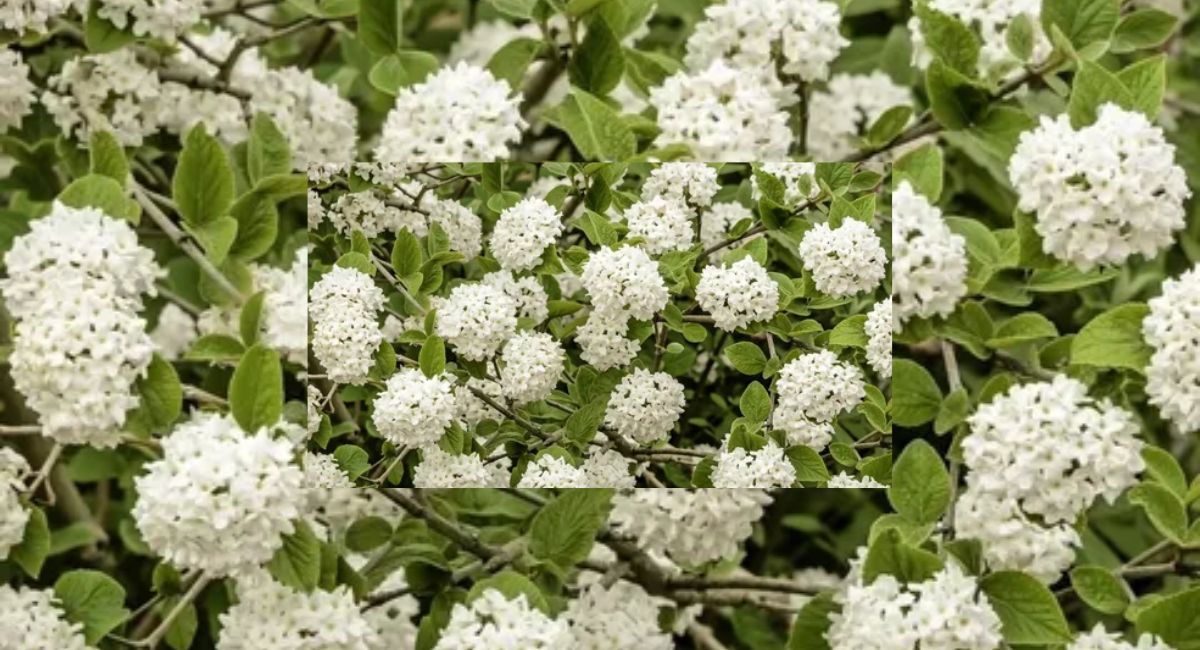
There are certain plants in floristry that instantly elevate a bouquet, and types of viburnum for gardens and floral decorations are among the most versatile. Known for their lush green blooms and snowball-like shape, viburnum varieties bring volume, texture, and freshness to both garden landscapes and professional floral arrangements. Whether used as ornamental shrubs outdoors or as cut stems in bouquets, viburnum flowers have become a favorite choice for designers and gardeners alike.
Explore the types of viburnum for gardens and floral decorations, a versatile plant that adds texture, color, and elegance to both landscapes and bouquets. From ornamental shrubs to snowball-shaped blooms, viburnum enhances any garden or floral design.
What Does Viburnum Look Like? Identifying Viburnum Varieties
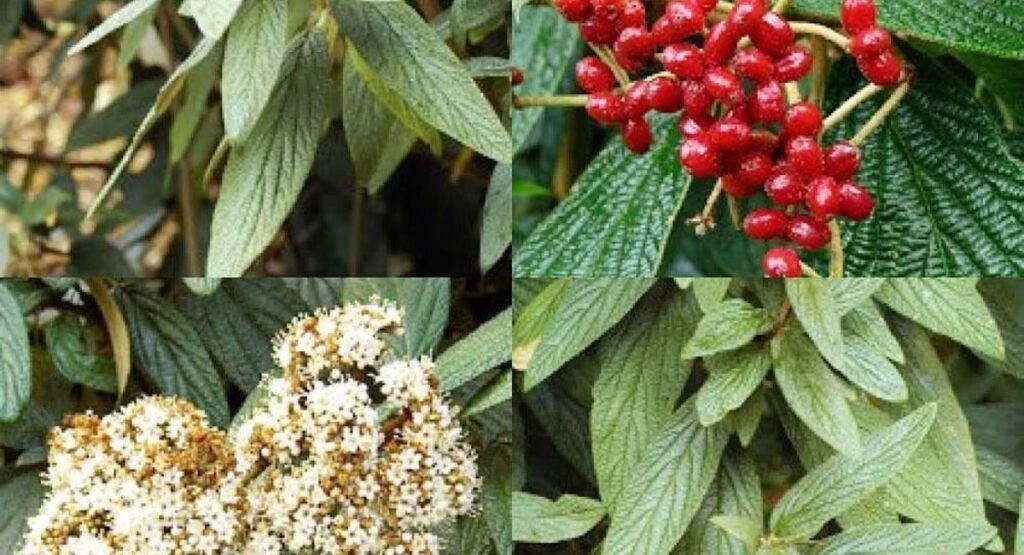
Viburnum is often confused with hydrangea, but its distinct snowball-like blooms make identification easy. The plant features dense clusters of small flowers that form a perfectly round structure, ideal for bouquets or garden focal points.
Snowball Shape and Flower Structure
The round flower heads of viburnum, especially green viburnum flowers, create volume and texture. These blooms are not only visually appealing but also enhance the structure of any floral arrangement.
Color and Cutting Stage
The best stage for cutting viburnum is when the blooms are fresh lime green. At this stage, they are neither too tight nor fully open, giving a fresh, energetic look to any bouquet or centerpiece.
Leaves and Plant Growth Habit
Viburnum shrubs feature oval-shaped leaves that often change color in autumn, adding seasonal interest to gardens. Their growth habit allows them to function as hedges, borders, or standalone shrubs.
Cut Stems for Floral Arrangements
For florists, selecting cut viburnum stems with strong, firm heads ensures longer vase life and a professional look. The same plant that decorates a garden can provide high-impact results in floral design.
Popular Viburnum Varieties and How to Use Them
Viburnum includes several varieties suitable for both gardens and floral arrangements. Choosing the right type ensures optimal results in landscaping and bouquet design.
Viburnum Varieties for Gardens and Landscaping
Garden viburnum shrubs are ideal for hedges, borders, or standalone plants. They offer dense foliage and seasonal blooms, providing year-round visual appeal. Fall foliage adds depth and warmth to any landscape.
Viburnum Varieties for Floral Arrangements
Florists often select viburnum for its snowball-shaped blooms. These cut stems are perfect for adding structure, texture, and volume to wedding bouquets, table centerpieces, and large-scale floral installations.
Choosing the Right Viburnum Variety
Gardeners should focus on hardy, low-maintenance shrubs, while florists prioritize firm stems and full, round blooms for optimal arrangement performance.
Seasonal Favorites and Winter-Blooming Viburnum
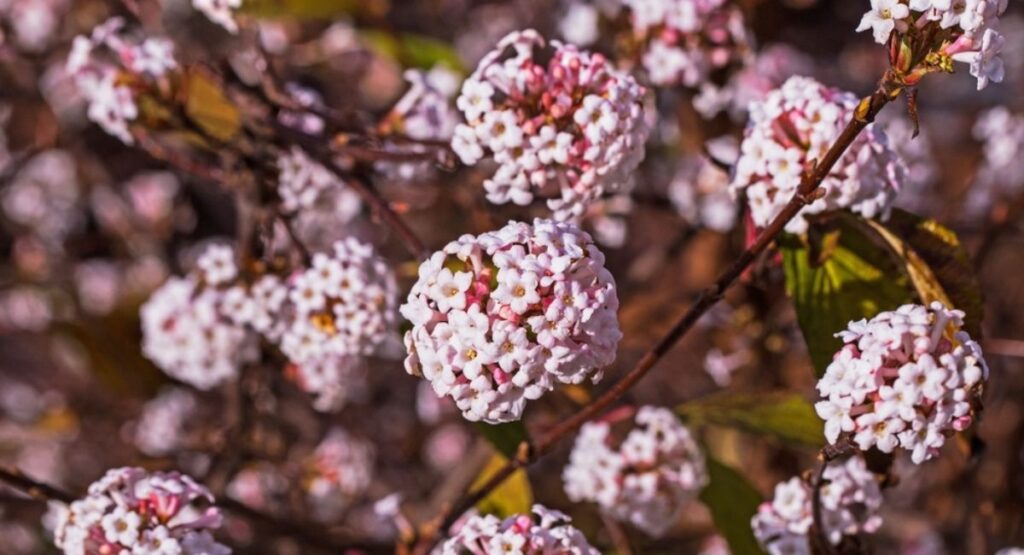
Viburnum offers beauty throughout the year. While many varieties bloom in spring and summer, winter-blooming viburnum ensures gardens and arrangements remain lively in colder months.
Viburnum opulus (Guelder Rose / Snowball)
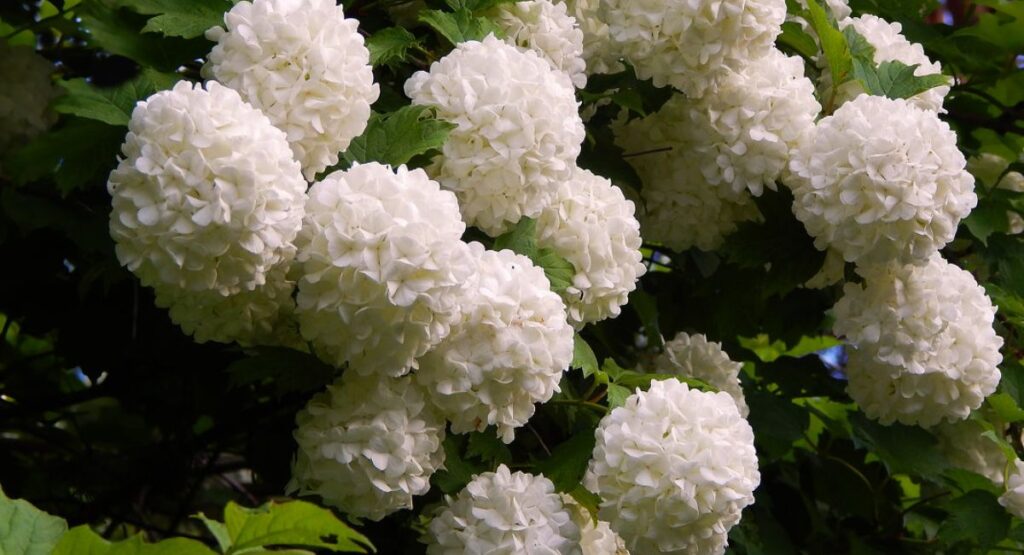
This popular variety produces large, dense blooms that fill space between focal flowers, making it cost-effective for large arrangements. Its lime-green flower heads are ideal for weddings and modern bouquets.
Winter-Resilient Viburnum Varieties

Winter-blooming viburnum thrives in cold conditions and offers subtle fragrance and color during frost or snow, making it perfect for resilient garden design.
Seasonal Pairings for Floral Arrangements
Pair viburnum with garden roses, peonies, or eucalyptus. Lime-green viburnum flowers provide soft contrast, depth, and elegance in arrangements.
See Also: Creative Ways to Celebrate a New Arrival with Welcome Baby Balloons
Care Tips for Long-Lasting Viburnum Arrangements
Proper care is essential to preserve viburnum freshness and vase life.
Trimming and Preparing Stems
Trim stems and split tips to improve water uptake. Strong, hydrated cut stems ensure long-lasting arrangements.
Water and Temperature Management
Keep viburnum in cool conditions. Avoid heat and direct sunlight. Refresh vase water regularly to maintain crisp blooms.
Arranging for Durability
Provide structural support in large arrangements. Proper spacing prevents stem breakage and maintains overall balance.
Best Companion Plants for Viburnum
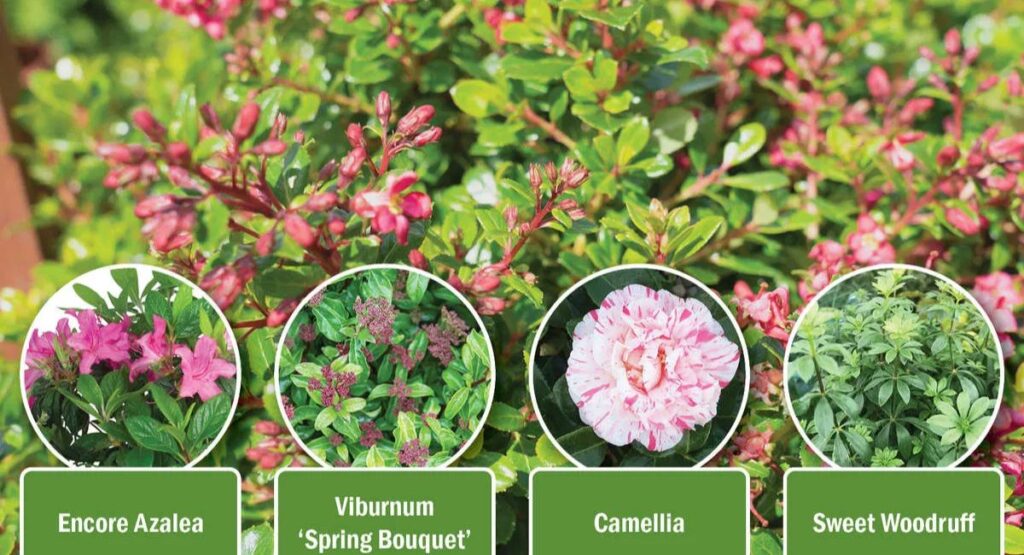
Selecting the right companion plants enhances the beauty of viburnum in gardens and bouquets. Proper pairing adds texture, color harmony, and visual balance.
Garden Companion Plants
- Echinacea: Adds height and bright contrast
- Hostas: Offers foliage texture and shade tolerance
- Hydrangea: Provides layered blooms and volume
Floral Arrangement Companions
- Garden Roses: Soft romantic contrast
- Eucalyptus: Flowing texture and subtle fragrance
- Peonies: Adds volume and luxury
Tips for Pairing Viburnum
Mix different textures, harmonize colors, and account for seasonal blooms to create long-lasting arrangements or sustainable gardens.
Floral Arrangement Companions
Garden Roses: Soft romantic contrast
Eucalyptus: Flowing texture and subtle fragrance
Peonies: Adds volume and luxury
Tips for Pairing Viburnum
Mix different textures, harmonize colors, and account for seasonal blooms to create long-lasting arrangements or sustainable gardens.
How Are Viburnum and Holly (Ilex) Varieties Different?
Though similar in appearance, viburnum and holly differ in flowers, foliage, and use.
Appearance and Structure
- Viburnum: Rounded, snowball-like blooms; dense foliage; seasonal color changes
- Holly (Ilex): Pointed, glossy leaves; bright red berries in winter; mostly evergreen
Viburnum ka focus flowers aur bouquet volume hota hai, jabke Holly ki main appeal berries aur evergreen texture hoti hai.
Growth and Maintenance
Viburnum is low-maintenance; holly requires pruning and careful care to maintain berries.
Floral Use Differences
Viburnum is preferred for cut flower arrangements, while holly adds decorative greenery and seasonal interest.
Native Viburnum Trees and Shrubs With Multiple Common Names
Native species often have several common names, helping gardeners identify and select the right plant.
Viburnum opulus (Guelder Rose / Snowball)
Popular for ornamental and floral use, winter berries and large blooms enhance gardens.
Viburnum dentatum (Arrowwood Viburnum)
Dense foliage and strong branching make it ideal for hedges and wildlife gardens.
Other Native Viburnum Species
- Viburnum cassinoides (Withe Rod) – Woodland gardens
- Viburnum nudum (Possumhaw) – Late-season blooms
- Viburnum prunifolium (Blackhaw) – Versatile landscaping and floral use
Conclusion: Types of viburnum for gardens and floral decorations
Viburnum is a versatile and beautiful plant that adds charm to both gardens and floral arrangements. From snowball-shaped blooms to hardy shrubs ideal for landscaping, types of viburnum for gardens and floral decorations offer endless creative possibilities. Gardeners can enjoy vibrant seasonal foliage, wildlife-friendly berries, and low-maintenance growth, while florists benefit from cut viburnum stems that bring texture, volume, and elegance to bouquets.
By understanding different viburnum varieties, their seasonal preferences, and companion plants, you can create landscapes and arrangements that are visually stunning and sustainable. Whether you choose winter-blooming viburnum, native species, or ornamental shrubs, these plants reliably enhance any garden or floral project.
Incorporating viburnum into your designs not only elevates aesthetics but also supports pollinators and local wildlife, making it a smart and eco-friendly choice for both gardeners and florists alike.

“As founder of Namezroot, Muhammed Serum blends passion and creativity to bring readers content on names, lifestyle, travel, and more.”