

Have you ever noticed that some days you wake up feeling tired, unmotivated, or unusually irritable without a clear reason? While sleep, diet, and stress are often blamed, the air you breathe may be playing a much bigger role than you realize. Understanding how air quality affects your mood and energy levels helps uncover an invisible factor influencing how you feel every day.
Air pollution is commonly linked to physical issues like allergies or breathing problems, but its impact goes far beyond the lungs. Poor air quality can interfere with oxygen flow to the brain, increase inflammation, and place stress on the nervous system. Over time, these effects can quietly influence emotional balance, mental clarity, and daily energy levels.
By learning how air quality affects your mood and energy levels, you can take practical steps to protect both your mental and physical well-being. From indoor environments to urban outdoor spaces, improving the quality of the air you breathe can lead to better focus, improved mood, and more consistent energy throughout the day.
The Invisible Link Between Pollution and Your Emotions
Air pollution is not just an environmental issue—it’s a mental and emotional one too. When the air contains high levels of pollutants such as fine particles (PM2.5), nitrogen dioxide, and ozone, your body struggles to absorb enough oxygen. This reduced oxygen intake places extra stress on your cardiovascular and nervous systems, directly affecting how you feel.
The Unseen Stressors in Your Air
Many air pollutants are invisible, which makes them easy to ignore. However, these tiny particles can enter your bloodstream through the lungs and trigger inflammation throughout the body. This inflammation has been linked to increased stress, anxiety, and emotional instability.
People exposed to polluted air often report feeling restless, irritable, or mentally drained. These emotional changes are not random. Polluted air interferes with neurotransmitters responsible for regulating mood and focus, leading to lower motivation and frequent mood swings.
Air Quality and Mental Health Over the Life-Course
The effects of poor air quality can accumulate over time. Long-term exposure has been associated with higher risks of depression, chronic stress, and cognitive decline. Children growing up in polluted environments may struggle with attention and emotional regulation, while adults may experience ongoing fatigue and reduced mental clarity.
This life-course impact highlights how air quality quietly shapes emotional well-being at every stage of life. Understanding how air quality affects your mood and energy levels helps explain why improving air quality is not just about physical health, but also about protecting mental resilience.
See Also: Types of viburnum for gardens and floral decorations
Why Clean Air Means Better Energy
Clean air allows your body to function at its best. When oxygen-rich air reaches your lungs, your blood can efficiently deliver oxygen to your brain and muscles. This process supports alertness, endurance, and stable energy throughout the day.
Fundamentals of How Air Impacts the Body
Your body relies on oxygen to produce energy at a cellular level. When air quality is poor, oxygen delivery becomes less efficient, forcing your body to work harder to perform even simple tasks. This extra effort can leave you feeling sluggish, foggy, and exhausted.
Clean air reduces this strain. People breathing cleaner air often experience improved concentration, better sleep quality, and higher daily energy levels. Over time, this leads to improved productivity and emotional balance.
Your Body’s Reaction to Indoor Air
Indoor air quality is just as important as outdoor air. Many people spend most of their day inside homes, offices, or vehicles where pollutants such as dust, chemicals, and poor ventilation can build up. Breathing polluted indoor air can cause headaches, fatigue, and difficulty focusing.
Improving indoor air quality through ventilation, air purifiers, and regular cleaning can make a noticeable difference in how you feel. Better indoor air supports steady energy and reduces the mental fatigue often blamed on stress or lack of sleep.
See Also: Creative Ways to Celebrate a New Arrival with Welcome Baby Balloons
Small Steps That Make a Big Difference
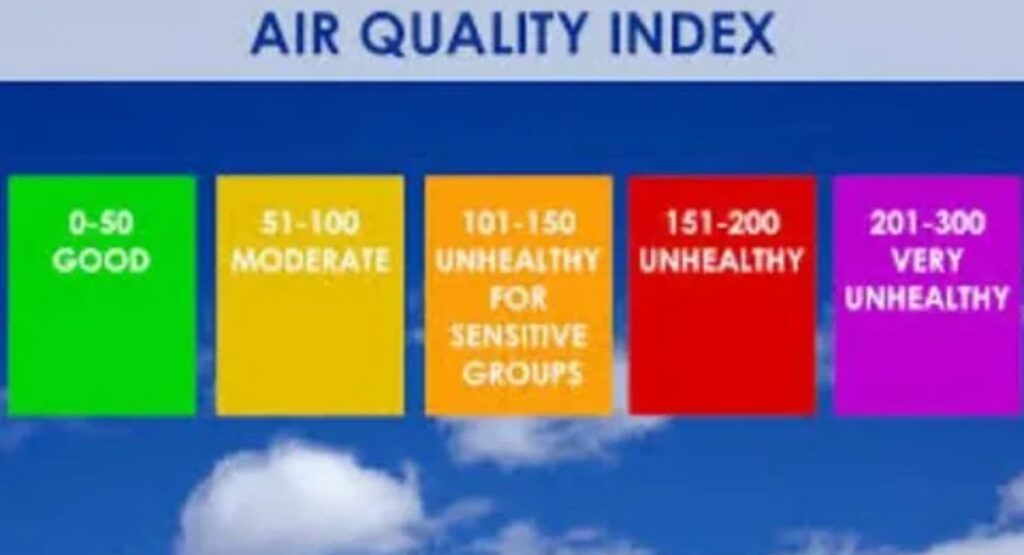
The good news is that protecting yourself from air pollution doesn’t require drastic lifestyle changes. Small, consistent actions can significantly improve your mood and energy levels.
Simple Steps for a Better Mood
Step 1: Check Air Quality Before Going Outside
Use local air quality apps to monitor pollution levels, especially if you plan to exercise or spend long hours outdoors. Avoid peak pollution times whenever possible.
Step 2: Improve Indoor Air Circulation
Open windows when outdoor air quality is good and ensure proper ventilation at home or work. Fresh airflow helps reduce indoor pollutants that can affect mood and concentration.
Step 3: Use Air Purifiers and Indoor Plants
Air purifiers help remove fine particles, while indoor plants can improve air freshness and create a calming environment that supports emotional well-being.
Step 4: Protect Yourself in High-Pollution Areas
If you commute, cycle, or walk in traffic-heavy areas, wearing a high-efficiency filter mask can reduce exposure to harmful pollutants and help maintain steady energy levels.
Step 5: Create Clean-Air Habits Daily
Small habits—like keeping living spaces clean, avoiding indoor smoke, and maintaining ventilation—can significantly improve how air quality affects your mood and energy levels over time.
Conclusion
Your mood and energy are influenced by more than diet, exercise, or sleep. Understanding how air quality affects your mood and energy levels reveals a silent factor shaping how you feel every day. Polluted air can drain your energy and disrupt emotional balance, while clean air supports mental clarity, motivation, and resilience.
By becoming more aware of air quality and taking simple protective measures, you can improve not only your physical health but also your emotional and mental well-being. Clean air is not a luxury—it’s a foundation for a healthier, more energetic life.
See Also: Perfect Watches for Men Who Love Fitness and Sports

“As founder of Namezroot, Muhammed Serum blends passion and creativity to bring readers content on names, lifestyle, travel, and more.”