
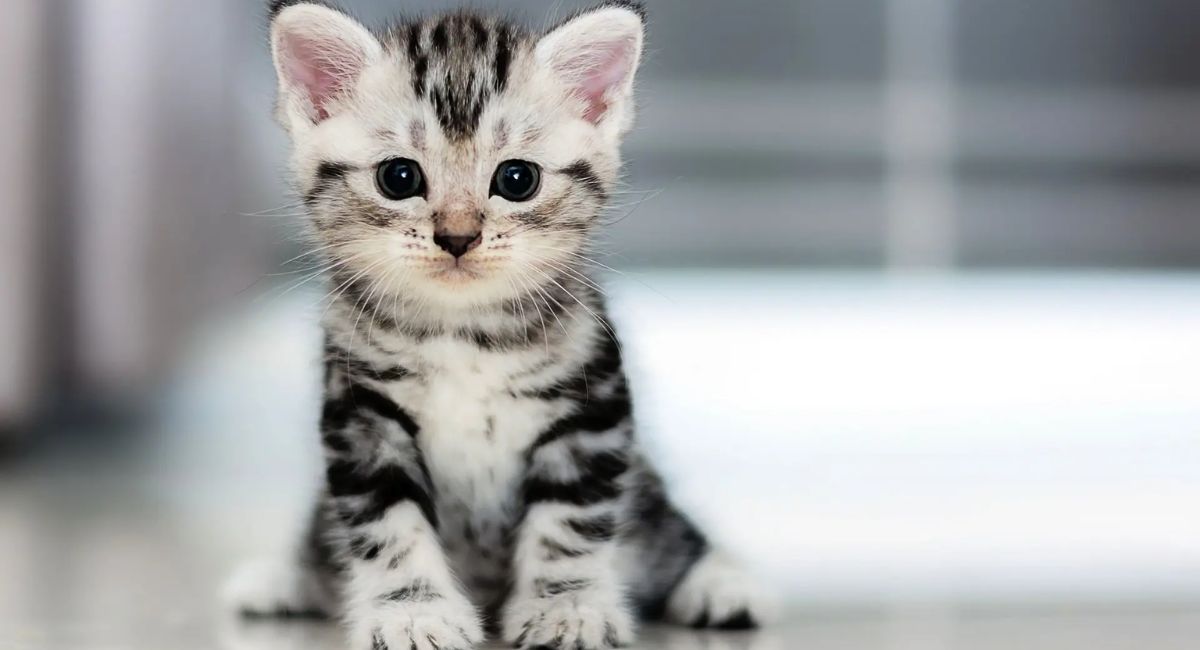
Imagine welcoming a cat into your home that fits perfectly in your lap, maintains that adorable kitten-like charm throughout life, and transforms even a cozy apartment into a playful paradise. For many pet lovers, small cat breeds and petite cats offer the perfect combination of companionship, charm, and convenience. These cats bring endless joy without requiring large spaces, making them ideal for urban apartments, busy households, or anyone seeking a manageable feline friend.
Small cats are not just tiny versions of their larger counterparts—they possess unique personalities, playful behaviors, and affectionate tendencies that make them truly special companions. In this guide, we explore the world of small cat breeds, their care requirements, health considerations, and how to find the perfect petite cat for your home.
What Defines a Small Cat?
Small cat breeds are typically defined by their weight, stature, and overall body structure. Most fully grown petite cats weigh between 4 and 9 pounds, compared to the average domestic cat, which ranges from 10 to 12 pounds. These cats are either the result of natural genetic variations or selective breeding programs designed to maintain smaller sizes without compromising health or personality.
Beyond their compact frame, small cats often retain kitten-like behaviors well into adulthood. This means they remain playful, curious, and affectionate for longer periods, offering endless entertainment and companionship. Their size also brings practical benefits—requiring less food, producing less waste, and fitting comfortably into tighter living spaces.
Petite cats are particularly suitable for:
- Urban apartments or small homes
- Seniors who prefer a lighter companion
- Families with children seeking a manageable pet
- Pet owners looking for a long-lived, playful cat
Popular Petite Breeds Worth Considering
The Distinctive Charmer: Munchkin Cat
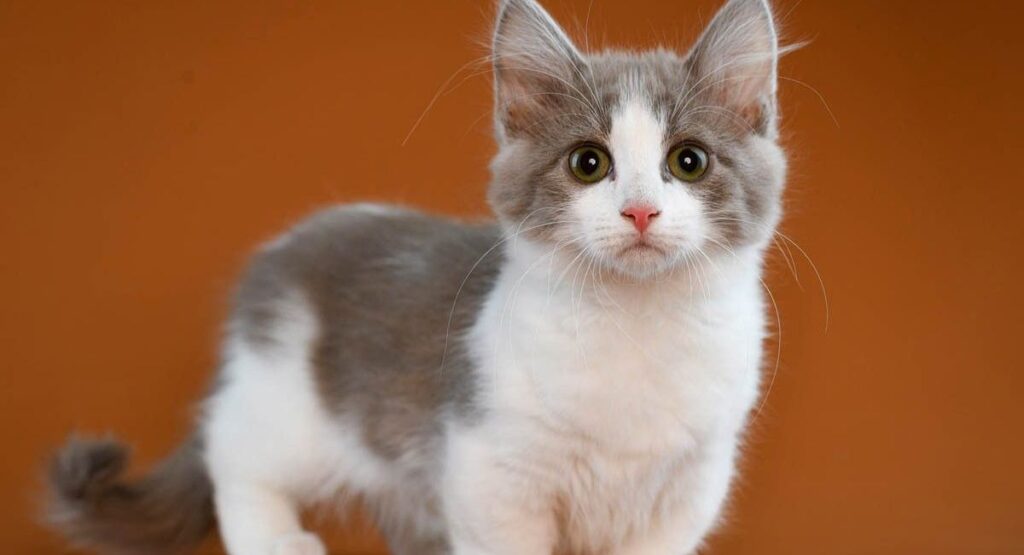
The Munchkin cat is instantly recognizable by its short legs paired with a standard-sized body. Despite their unusual proportions, these cats are remarkably agile and playful. They often weigh 5–9 pounds and stand about 7–8 inches tall.
Munchkins are known for their friendly personalities, adaptability, and love for human interaction. Their short legs don’t limit their energy—they still run, jump, and play, though they prefer activities closer to the ground. They come in a variety of coat lengths and colors, making each cat unique.
The Elegant Miniature: Singapura
Singapuras are among the smallest naturally occurring cat breeds. Adult Singapuras rarely exceed 8 pounds, and females can weigh as little as 4 pounds. Their large, expressive eyes and ticked coat pattern give them a look of constant curiosity.
These cats are highly social, intelligent, and active, often following their owners from room to room. Their affectionate nature and small size make them perfect petite cats for families and singles alike.
The Curly Companion: Devon Rex
The Devon Rex features a small frame, large ears, and a wavy coat that makes it look almost pixie-like. Adults typically weigh 5–10 pounds. These cats are highly playful, intelligent, and enjoy interactive games and tricks.
Their soft coat produces less shedding than many other breeds, though they are not hypoallergenic. Devon Rex cats are perfect for owners who enjoy an energetic, engaging companion with a lot of personality packed into a small body.
The Affectionate Lap Cat: Burmese
While slightly larger than other petite breeds, the Burmese is still compact and muscular, with females weighing 6–8 pounds and males up to 10 pounds. Known for forming strong bonds with their families, Burmese cats thrive on human interaction.
Their affectionate, social nature makes them excellent lap cats and companions for homes where someone is often present to provide attention and love.
See Also: Types of viburnum for gardens and floral decorations
Top 10 Smallest Cat Breeds
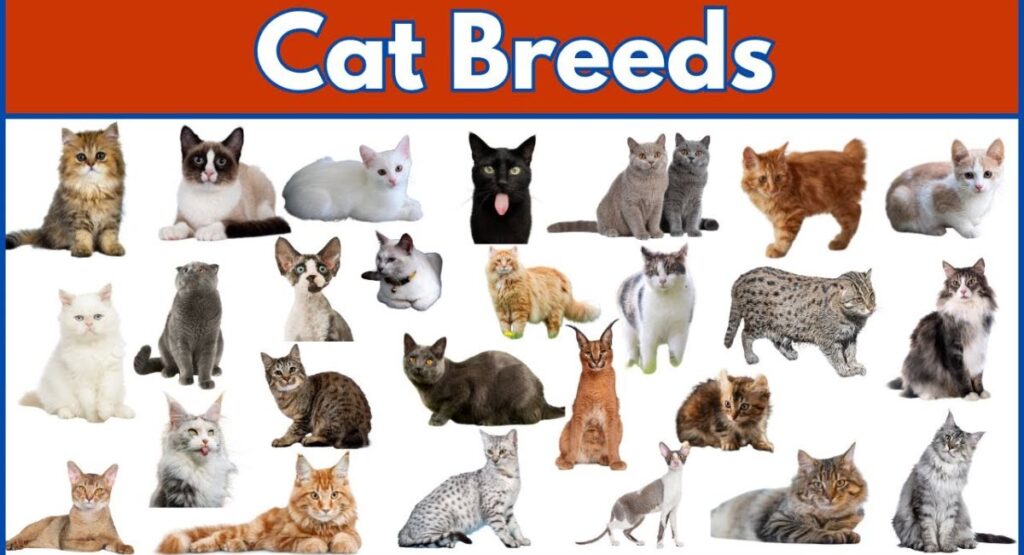
For a quick reference, here’s a list of the smallest cat breeds:
- Singapura – Natural, tiny, very social
- Munchkin – Short-legged, playful, adaptable
- Toybob – Petite and agile
- Minuet – Rounded face, small stature
- American Curl – Unique curled ears, small to medium size
- Turkish Angora – Elegant, petite, and long-haired
- LaPerm – Soft, curly coat, small frame
- Bambino – Hairless, small, and playful
- Devon Rex – Pixie-like, curly coat, active
- Abyssinian – Slender, petite, extremely curious
Caring for Petite Cats
Small cats require special care to ensure their health and comfort. Their size can make them more sensitive to temperature changes, diet fluctuations, and physical injury. Here’s a practical care table for petite cats:
| Care Area | Petite Cat Needs | Tips & Considerations |
|---|---|---|
| Nutrition | Frequent, small meals | High-quality, nutrient-dense food |
| Exercise | Short bursts of play several times/day | Toys suited to small size |
| Sleeping | Warm, cozy spots | Heated beds or blankets for cold climates |
| Grooming | Gentle brushing | Regular nail trimming and ear cleaning |
| Safety | Supervision in multi-pet homes | Watch for rough play or small gaps in furniture |
| Health Monitoring | Regular vet visits | Monitor weight, teeth, and temperature |
Creating the Ideal Small Cat Environment
Even though small cats require less overall space, a well-designed environment ensures they remain healthy, active, and happy. Tips include:
- Vertical spaces – Cat trees with closely spaced platforms for easy climbing
- Accessible furniture – Ramps or steps for short-legged breeds like Munchkins
- Toy selection – Small-sized toys appropriate for their stature
- Safe hiding spots – Boxes, tunnels, or elevated shelves for security
- Temperature control – Warm resting areas, especially for hairless or thin-coated breeds
Health Considerations for Small Cat Breeds
Small cat breeds face unique health challenges that owners should be aware of:
- Hypoglycemia risk – Smaller cats can experience low blood sugar if meals are skipped
- Temperature regulation – Less body mass means they get cold faster
- Injury vulnerability – Fragile bones or short legs can make falls risky
- Dental crowding – Small jaws may have more dental issues
- Anesthesia sensitivity – Requires careful dosing during medical procedures
Regular vet checkups and proper monitoring are essential to keeping petite cats healthy and thriving.
See Also: Creative Ways to Celebrate a New Arrival with Welcome Baby Balloons
Finding Your Perfect Petite Companion
When choosing a small cat, consider your lifestyle, activity level, and family environment. Some pointers:
- Active households → Playful breeds like Devon Rex or Singapura
- Lap-focused homes → Affectionate Burmese or Singapura
- Allergy concerns → LaPerm or Devon Rex (less shedding)
- Adoption → Check shelters for small cats or kittens
- Breeders → Ensure health certifications and ethical practices
Observing the kitten’s behavior, parent temperaments, and socialization is crucial before making a decision.
Living with Small Cat Breeds
Petite cats offer unique joys:
- They remain playful well into adulthood
- Easier to travel with or carry for vet visits
- Adapt well to apartments or smaller homes
- Require careful handling to prevent injuries
Educating children and household members on gentle care is critical, as small cats are more delicate than average-sized felines.
Making the Small Cat Decision
Choosing a small cat breed or petite cat means embracing a lifestyle that accommodates their specific needs while enjoying their affectionate, entertaining personalities. Small cats offer:
- Portable companionship
- Long lifespan (often 15–20 years)
- Endless entertainment with kitten-like energy
Remember, their size does not reduce the responsibility. Proper nutrition, care, and attention are essential. For families ready to commit, small cats provide a lifetime of love, affection, and playful fun.
Conclusion:
Small cat breeds and petite cats are perfect for those seeking manageable, affectionate, and playful companions. From the unique charm of the Munchkin to the elegance of the Singapura, these cats offer variety, personality, and convenience. By understanding their care, health needs, and environment, you can provide the ideal home for your petite companion, creating a bond that brings joy and warmth for years to come.
Frequently Asked Questions About Small Cat Breeds
Q1: What is the friendliest small cat breed?
A: The Burmese is widely regarded as the friendliest small cat breed. They are affectionate, social, and enjoy forming strong bonds with their families.
Q2: What is the best cat breed for beginners?
A: Ragdolls are ideal for beginners. They are easygoing, low-maintenance, and adapt well to different home environments, making them perfect for first-time cat owners.
Q3: What breed are Taylor Swift’s cats?
A: Taylor Swift owns a Scottish Fold named Olivia Benson and a Maine Coon named Meredith Grey. Both cats are known for their unique personalities and charm.
Q4: Which cat breed is the smallest?
A: The Singapura is the smallest cat breed, with adults rarely exceeding 8 pounds. They are petite, playful, and highly social.
Q5: What is the 3-3-3 rule of cats?
A: The 3-3-3 rule helps new cats adjust:
- 3 days: Time to settle into their new environment.
- 3 weeks: Period to start socializing and bonding.
- 3 months: Approximate time to fully trust their new home and family.

“As founder of Namezroot, Muhammed Serum blends passion and creativity to bring readers content on names, lifestyle, travel, and more.”