
Preparing a safe and comfortable sleep space is one of the first priorities for new parents. Portable, lightweight, and designed to keep newborns close, Moses baskets are widely used as an early sleeping solution. However, understanding how to use a Moses basket safely is essential for protecting your baby’s wellbeing. Proper setup, correct positioning, and awareness of developmental milestones all play a role in creating a secure rest environment.
A well-chosen basket can provide a cozy, womb-like sleeping environment that supports newborn comfort while allowing easy supervision. But safety depends on more than convenience — it involves using breathable materials, ensuring a firm flat sleep surface, and maintaining a stable placement away from hazards. Following established infant sleep guidelines helps reduce risks and promotes healthier rest patterns.
This guide explores everything parents need to know — from understanding benefits and comparisons to setting up a safe sleep environment and transitioning when the time is right — so you can use a Moses basket with confidence.
Understanding Moses Baskets and Their Benefits
What is a Moses basket?
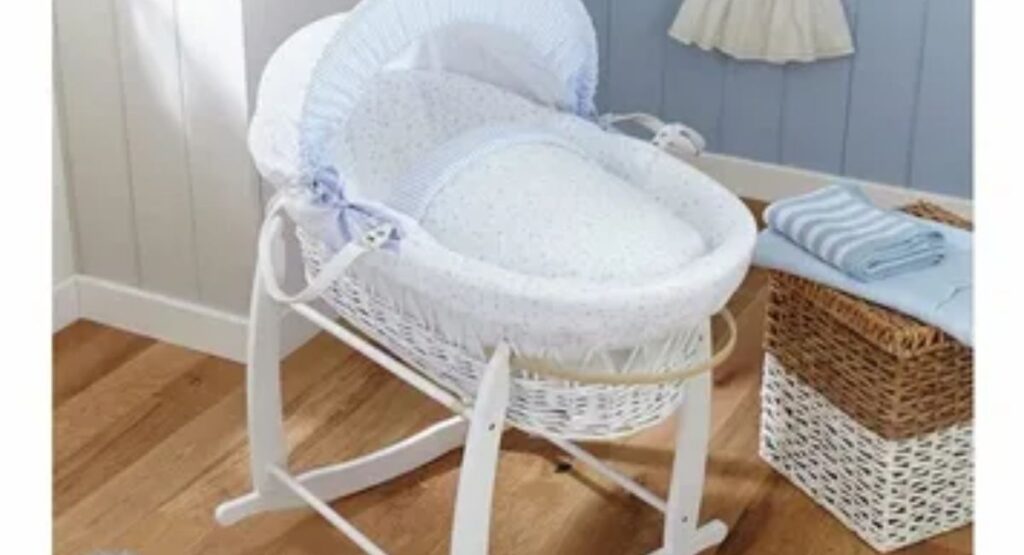
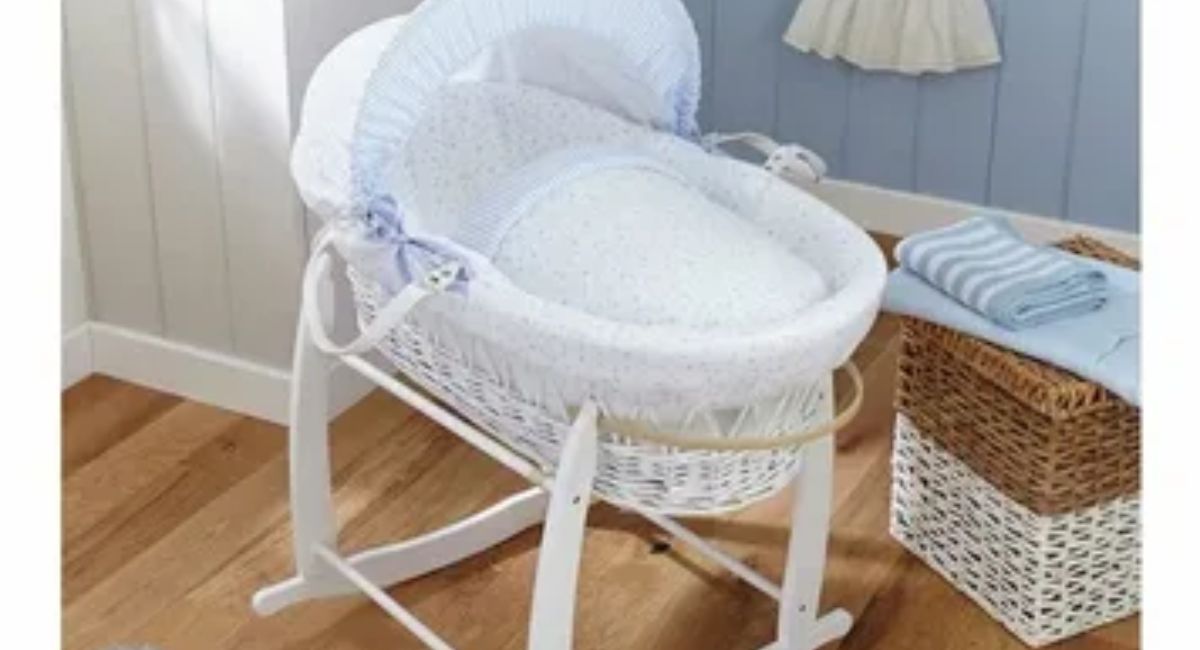
A Moses basket is a compact, portable baby sleeping space typically used during the newborn stage. Made from breathable fabrics or woven natural materials, it includes handles and a snug mattress that creates a contained yet ventilated rest area. This design promotes baby airflow and ventilation while offering closeness and comfort during early sleep cycles.
Because of their size and mobility, baskets are considered practical newborn sleep solutions that allow parents to keep infants nearby without moving large furniture.
Why parents choose Moses baskets
Parents often value the effortless portability and emotional reassurance Moses baskets understanding-moses-baskets-and-their-benefits provide. Being able to place the baby within reach enhances supervision and bonding, while the enclosed structure offers a calming environment that mimics prenatal comfort.
Many baskets are constructed with certified baby materials or non-toxic fabrics, supporting healthier surroundings and reducing exposure concerns. Their compact footprint also makes them suitable for smaller living spaces or daytime relocation between rooms.
How they compare to cribs and bassinets
Cribs, bassinets, and Moses baskets serve different roles in infant sleep planning. Cribs are long-term sleeping arrangements offering stability and longevity, while bassinets provide intermediate solutions with added features like stands or motion.
Moses baskets stand out for portability and flexibility but are intended for shorter use periods. Understanding these distinctions helps parents align their choices with infant sleep transition goals and safe nursery setup planning.
Setting Up a Safe Sleep Environment
Choosing breathable, non-toxic materials
Selecting breathable baby bedding and non-toxic materials supports airflow and reduces irritation risks. Natural fibers or certified fabrics help regulate newborn body temperature control while maintaining comfort.
Ventilated sides and soft yet safe textures contribute to overheating prevention and align with recommended safe sleep environment practices.
Using a firm, snug-fitting mattress
A firm baby mattress that fits tightly inside the basket is crucial. Mattress edge gap safety should always be checked, ensuring no spacing exists that could create hazards. A supportive, firm flat sleep surface promotes proper posture and reduces risk factors associated with unsafe bedding.
Extra padding or soft layers should be avoided to maintain structural support.
Placing the basket on a flat, stable surface
Positioning the basket on a flat, secure base ensures stability and uninterrupted rest. Following stable placement recommendations prevents tipping or movement. When elevation is desired, using compatible stands specifically designed for the basket maintains safety and accessibility.
Avoiding heaters, cords, and direct sunlight
Environmental factors can affect infant comfort and safety. Keeping the basket away from heaters prevents overheating, avoiding cords reduces entanglement hazards, and limiting sunlight exposure protects sensitive skin. Thoughtful baby sleep environment planning helps maintain balanced conditions.
See Also:How to Improve Your Living Room on a Budget
Safe Usage Guidelines Every Parent Should Follow
Always place baby on their back
Following the back sleeping position for infants is one of the most important safety practices. This position aligns with recognized infant sleep guidelines and reduces sleep-related risks.
Consistency helps establish safe routines and supports long-term sleep habit development.
Keep bedding minimal and secure
The minimal bedding principle means using fitted sheets only and avoiding loose blankets or toys. A clutter-free sleep area promotes airflow and supports infant sleep supervision by reducing obstruction risks.
Never carry the basket with baby inside
Despite having handles, baskets should never be carried with the baby inside. Moving the infant separately ensures stability and prevents accidental shifting or imbalance.
Use a compatible stand for elevation
Elevating the basket using approved stands improves accessibility without compromising safety. Secure support structures help maintain stable placement while enabling easier monitoring.
Monitor baby’s temperature and comfort
Regularly checking infant body temperature control prevents overheating or chilling. Adjust clothing rather than bedding layers when necessary. Maintaining balance supports comfort and wellbeing.
How Long Can a Baby Sleep in a Moses Basket?
Weight limits
Following manufacturer weight limits is essential for maintaining structural integrity. Exceeding limits can reduce safety and stability.
Age limits
Moses baskets are generally suited for early months only. Monitoring Moses basket age limits ensures timely transition planning.
Motor development milestones
Rolling over, pushing upward, or increased movement indicate readiness for change. Observing infant developmental milestones and newborn mobility stages helps determine safe timing.
Sleep cycle evolution
As babies grow, their spatial and comfort needs evolve. Adjusting sleep arrangements accordingly supports healthier development and routine consistency.
Moses Basket vs Bassinet vs Crib
Each sleep option serves unique needs. Moses baskets provide portability and close supervision, bassinets offer structured features, and cribs deliver long-term stability. Comparing them involves evaluating space, lifestyle, and developmental planning.
From safety perspectives, all options should include breathable materials, firm mattresses, and secure placement. Choosing the right solution depends on aligning practical needs with sleep environment planning and infant comfort priorities.
When and How to Transition Out of a Moses Basket
Signs your baby has outgrown the basket
Crowding, increased movement, or approaching limits indicate it’s time to transition. Recognizing these signs ensures continued safe rest conditions.
Manufacturer weight and age limits
Adhering to official guidelines prevents unsafe overuse and maintains reliability.
Transitioning to a crib or floor bed
Gradual introduction to a crib or Montessori floor bed option helps maintain sleep routine consistency while accommodating growth.
Repurposing your Moses basket after use
Once no longer needed, baskets can be reused for storage, keepsakes, or décor. Repurposing extends functionality while preserving sentimental value.
See Also:Top Lighting Trends to Transform Your Home in Style
Conclusion
Understanding how to use a Moses basket safely helps parents create a nurturing and secure start for their newborn’s sleep journey. From selecting breathable, non-toxic materials and maintaining a firm flat sleep surface to following proper positioning and minimal bedding principles, every small step contributes to a safer sleep environment. Thoughtful setup and consistent monitoring ensure comfort while reducing unnecessary risks.
Equally important is recognizing when your baby’s needs change. Paying attention to weight limits, age guidelines, and developmental milestones allows for timely transitions to larger sleep solutions without disrupting routine or safety. Viewing the Moses basket as a temporary yet valuable stage in infant sleep planning helps parents stay proactive and prepared.
By combining informed decisions with attentive care, families can confidently use this portable newborn sleep solution as part of a balanced and supportive sleep environment — giving both baby and parents greater peace of mind during those early months.

“As founder of Namezroot, Muhammed Serum blends passion and creativity to bring readers content on names, lifestyle, travel, and more.”