
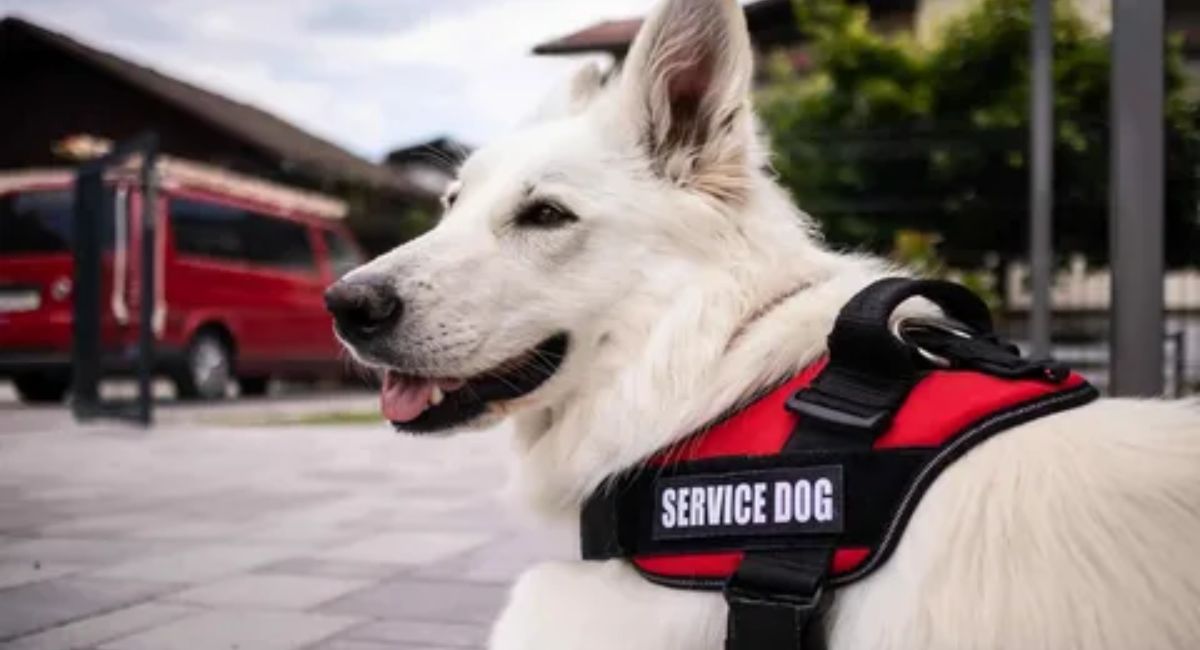
Living with autism can bring unique strengths, but it can also come with daily challenges—especially in social situations, unfamiliar environments, or moments of sensory overload. For many families, finding the right support system is life-changing. One powerful and often overlooked option is a service animal for autism.
A trained service animal can provide safety, emotional stability, and greater independence for individuals on the autism spectrum. Whether it’s helping a child navigate school or supporting an adult in public spaces, these animals are trained to respond to specific needs associated with Autism Spectrum Disorder (ASD).
In this guide, we’ll explore what a service animal is, how it helps individuals with autism, and how you can begin the process of getting one.
What Is a Service Animal?
A service animal is a specially trained animal that performs specific tasks to assist a person with a disability. Under the Americans with Disabilities Act (ADA), service animals are legally permitted to accompany their handlers in most public places, including schools, restaurants, and stores.
Most service animals are dogs, commonly referred to as service dogs, because of their intelligence, trainability, and temperament. These animals are not pets or emotional support animals. They undergo extensive training to perform concrete tasks such as:
- Preventing wandering or bolting
- Providing deep pressure therapy during meltdowns
- Interrupting repetitive or self-harming behaviors
- Guiding individuals safely through crowded spaces
- Responding to anxiety or panic episodes
For individuals diagnosed with Autism spectrum disorder, a service animal can be trained to meet very specific needs that improve both safety and quality of life.
How Does a Service Animal for Autism Help?
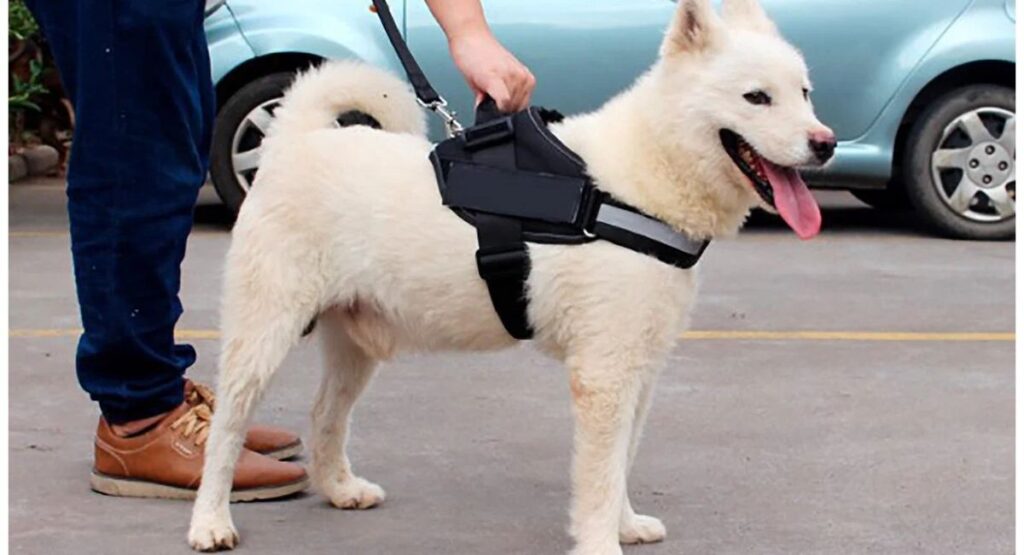
A service animal for autism does much more than offer companionship. These highly trained animals provide practical support and emotional reassurance in daily life.
1. Preventing Wandering (Elopement)
Many children with autism have a tendency to wander, which can be dangerous in public spaces. A trained autism service dog can:
- Be tethered to a child
- Resist sudden movements toward traffic or unsafe areas
- Alert caregivers if a child attempts to run
This adds an extra layer of safety and peace of mind for parents.
2. Reducing Anxiety and Sensory Overload
Public places can feel overwhelming due to bright lights, loud noises, and crowded environments. A service animal may:
- Provide calming deep pressure therapy
- Act as a physical barrier in crowds
- Offer grounding during stressful situations
The presence of a service dog often lowers stress levels and increases confidence.
3. Supporting Emotional Regulation
Meltdowns and emotional dysregulation can be part of life for some individuals with autism. Service animals are trained to:
- Recognize early signs of distress
- Interrupt harmful behaviors
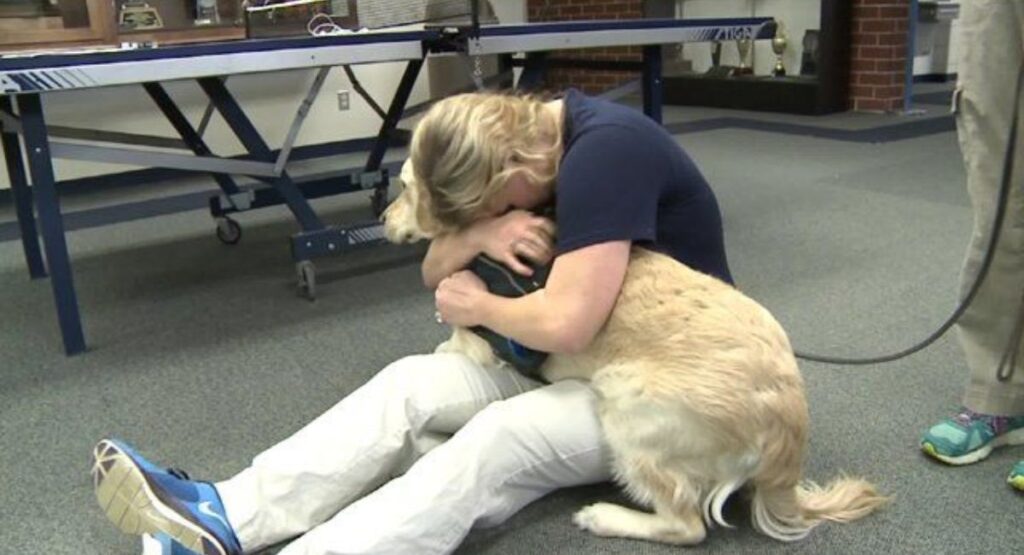
- Provide comforting physical contact
This proactive support helps individuals regain control more quickly.
4. Encouraging Social Interaction
Interestingly, service animals often act as social bridges. When a person with autism is accompanied by a service dog, others may approach in a friendly and respectful way, making social interactions less intimidating.
5. Promoting Independence
For teens and adults on the spectrum, a service animal can:
- Increase confidence in public settings
- Support independent travel
- Reduce reliance on constant caregiver supervision
Over time, this builds self-esteem and autonomy.
See Also:How to Build a Long, Healthy Life for Your Pet: Habits That Actually Work
Service Animal vs. Emotional Support Animal
It’s important to understand the difference between a service animal and an emotional support animal (ESA).
- Service Animals are individually trained to perform specific disability-related tasks and are protected under federal law.
- Emotional Support Animals provide comfort but are not trained to perform specific tasks and do not have the same public access rights.
If you are seeking a service animal for autism, professional training and proper documentation are essential.
Who Can Qualify for a Service Animal for Autism?
Individuals diagnosed with Autism Spectrum Disorder may qualify if the condition significantly impacts daily functioning. This includes:
- Severe anxiety
- Impaired communication
- Behavioral challenges
- Safety concerns such as wandering
A healthcare provider or licensed professional can help determine eligibility based on medical needs.
Get a Service Animal for Autism Today
If you believe a service animal could benefit you or your loved one, the first step is research and consultation.
1. Speak With a Medical Professional
A doctor or therapist can assess whether a service animal is an appropriate support tool.
2. Choose a Reputable Training Organization
Look for organizations that specialize in autism service dog training. These programs typically:
- Match dogs based on temperament and needs
- Provide customized task training
- Offer handler education and transition support
Be cautious of online “registries” that promise instant certification without training. Legitimate service animals require months of professional preparation.
3. Understand the Commitment
Owning a service animal involves:
- Daily care and grooming
- Ongoing reinforcement training
- Financial responsibility (food, vet care, equipment)
While the process requires dedication, the long-term benefits can be life-changing.
Final Thoughts
A service animal for autism can offer safety, emotional stability, and newfound independence. These specially trained companions are more than helpers—they become trusted partners in everyday life.
For families navigating Autism Spectrum Disorder, a service animal may provide the confidence to explore the world with greater comfort and security. With proper guidance and training, the right service dog can make an incredible difference.
If you’re considering this path, start by consulting a healthcare professional and researching trusted service dog organizations. The right support could transform daily life for you or your loved one.

“As founder of Namezroot, Muhammed Serum blends passion and creativity to bring readers content on names, lifestyle, travel, and more.”