
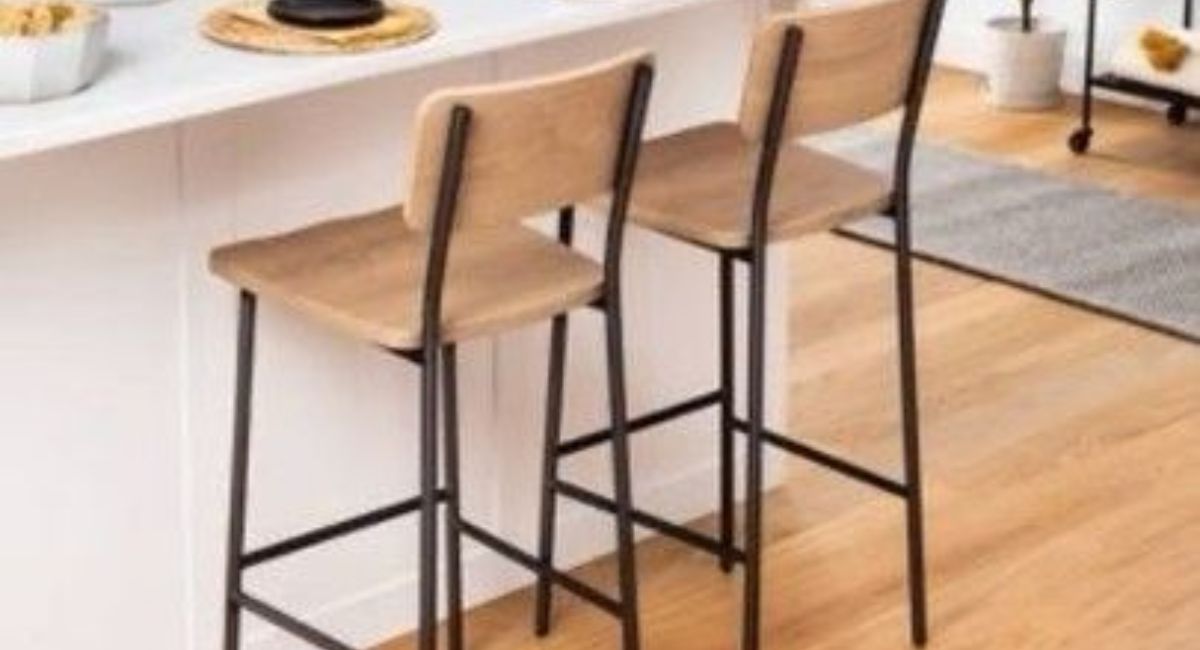
When it comes to choosing the right bar stools, comfort is often underestimated. Yet the way we sit — especially at kitchen islands, breakfast bars, and entertainment spaces — shapes how we unwind, connect, and recharge at home.
Bar stools are no longer just functional pieces tucked under a counter. Today, they are part of daily living. And when they come with supportive backs, they don’t just offer a place to sit — they offer relief. After a long day on your feet or hours at a desk, the right bar stools can feel like a quiet embrace.
Let’s explore why.
The Science Behind Feeling Supported
Comfort isn’t just a preference — it’s physiological. The human spine has a natural curve, and when seating ignores that curve, the body compensates. That compensation leads to muscle fatigue, lower back strain, and subtle discomfort that builds over time.
Bar stools with backs support spinal alignment by:
- Encouraging upright posture
- Reducing pressure on the lumbar region
- Distributing body weight more evenly
- Minimizing muscle tension in the shoulders and lower back
Without back support, the core muscles must stay engaged to maintain posture. That’s manageable for short periods, but during long conversations or extended meals, fatigue sets in quickly.
Supportive bar stools allow the body to relax. When your back is cradled properly, circulation improves, posture stabilizes, and tension decreases. The result? You stay seated longer — comfortably.
Ergonomic backrest design isn’t just for office chairs. It belongs in kitchen and entertainment seating too.
Why Bar Stools With Backs Feel More Comfortable
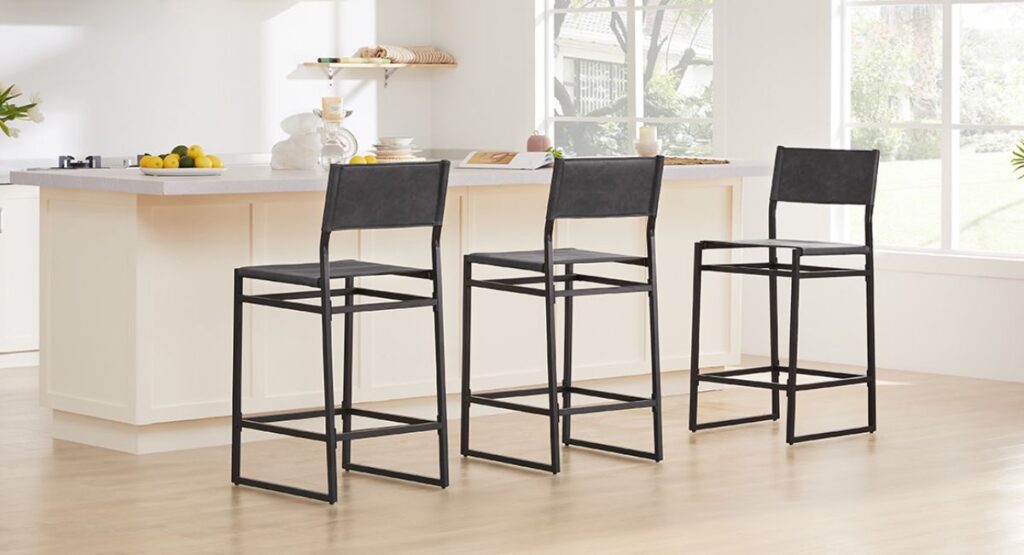
So, are bar stools with backs more comfortable? In most cases, yes — especially for extended use.
The difference comes down to support and duration. Backless stools may work well for quick meals or compact spaces. But if your kitchen island is a hub for homework, late-night chats, or weekend gatherings, the added support of a backrest changes everything.
Bar stools with backs provide:
- A resting point for the upper body
- Reduced strain on the lower spine
- Better posture during long sitting periods
- A sense of stability and grounding
Comfort increases when the body feels secure. A backrest prevents the subtle forward lean that often causes discomfort on backless seating.
And there’s another layer — psychological comfort.
Emotional Comfort Matters Too
Home is where we reset. The seating we choose quietly affects how safe, relaxed, and connected we feel.
Bar stools with backs create a sense of containment — a subtle “held” feeling. That supportive embrace signals to the brain that it’s okay to relax. There’s no need to brace or balance.
In social spaces like kitchen islands, this emotional comfort matters. Guests linger longer. Conversations deepen. Family members settle in.
Seating influences behavior. When bar stools are comfortable:
- People stay engaged longer
- Meals feel more intentional
- Evenings become more relaxed
- Gatherings feel more welcoming
Comfort isn’t only physical. It’s emotional — and design plays a role in that.
Design That Balances Comfort and Space
One common concern about bar stools with backs is space. Will they look bulky? Will they overwhelm a small kitchen?
The answer depends on design.
Modern bar stools are crafted with slim frames, low-profile backs, and curved silhouettes that maintain visual openness. Upholstered backs can add softness, while metal or wooden frames create structure without heaviness.
To balance comfort and space:
- Choose open-frame designs for smaller kitchens
- Opt for low-back styles for visual lightness
- Match stool proportions to your counter height
- Leave adequate spacing between each stool
A well-designed bar stool doesn’t crowd a room — it complements it.
Comfort and aesthetics don’t have to compete.
See Also:Ranking the Best Sofa Shapes for Open-Plan Living Rooms
What Are the Benefits of Backrest Bar Stools?
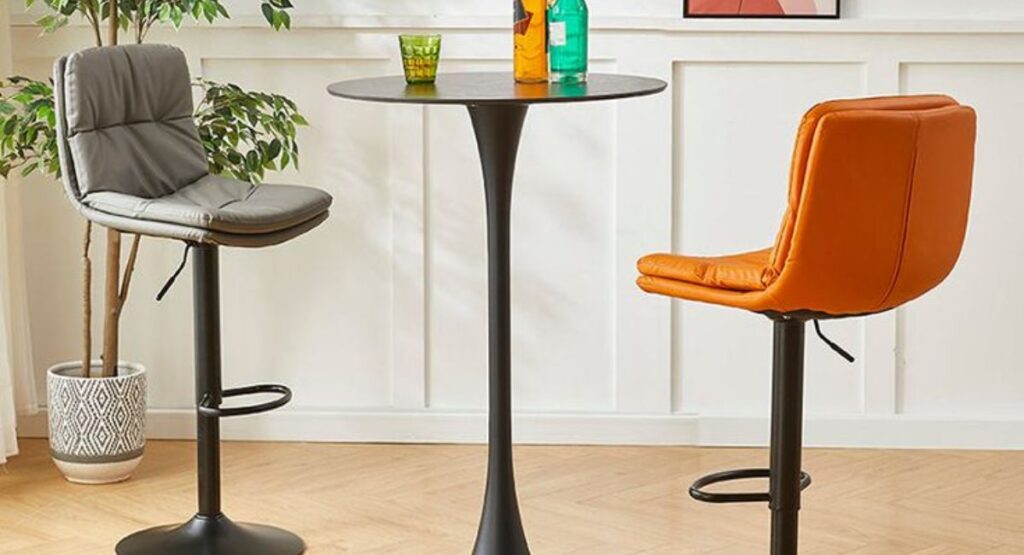
When comparing bar stools with backs to backless alternatives, the benefits extend beyond simple comfort.
1. Improved Posture
Backrests encourage upright seating, reducing slouching and spinal misalignment.
2. Reduced Lower Back Strain
Proper support minimizes pressure on the lumbar area, especially during long sitting periods.
3. Increased Stability
Backrests provide balance support, which can be helpful for children, elderly family members, or anyone needing extra steadiness.
4. Better for Entertaining
Guests feel more at ease in supportive seating, leading to longer and more enjoyable gatherings.
5. Enhanced Safety
A structured back reduces the risk of leaning too far backward or losing balance.
6. Elevated Aesthetic Appeal
High-quality bar stools with backs often look more refined and intentional within a space.
When seating combines ergonomic support with style, it elevates the entire room.
When Should You Choose Backless Bar Stools Instead?
While bar stools with backs offer significant benefits, there are scenarios where backless designs make sense.
You might choose backless bar stools if:
- You have a very small kitchen
- You need stools that tuck fully under the counter
- The seating is used only occasionally
- You prefer a minimalist or industrial look
- You want quick, grab-and-go seating
Backless bar stools create a cleaner silhouette and take up less visual space. They’re practical for compact layouts or short-term sitting.
However, if comfort is your top priority, especially for daily use, stools with backs typically provide greater long-term satisfaction.
Practical Benefits Beyond Comfort
Bar stools with backs offer practical advantages that often go unnoticed.
Durability
Supportive designs often include reinforced frames to accommodate the backrest structure.
Everyday Usability
Whether it’s morning coffee or evening wine, you’re more likely to use seating that feels good.
Footrest Support
Many high-quality bar stools include built-in footrests, reducing leg fatigue.
Swivel Options
Some models allow rotation without straining your torso, adding flexibility to social settings.
Material Versatility
From upholstered cushions to sleek wood or metal finishes, bar stools can match virtually any interior style.
Comfort doesn’t compromise function. It enhances it.
How Do You Choose the Right Bar Stools for Your Space?
Selecting the right bar stools requires thoughtful consideration. Here’s what to evaluate:
1. Measure Counter Height
Standard counter height (36 inches) typically requires 24–26 inch seat height stools.
Bar-height counters (42 inches) require 28–30 inch seats.
Always allow 9–12 inches between the seat and counter underside.
2. Allow Proper Spacing
Plan for 6–10 inches between each stool to prevent crowding.
3. Consider Usage Frequency
Daily use calls for cushioned seats and back support. Occasional use may allow simpler designs.
4. Choose Materials Wisely
- Upholstered seats add softness
- Wood adds warmth
- Metal offers durability
- Leather or faux leather provides easy cleaning
5. Evaluate Footrests
Foot support reduces leg pressure and improves sitting comfort.
6. Decide on Swivel vs. Stationary
Swivel stools increase flexibility in busy spaces.
The right bar stools should feel proportional, stable, and inviting.
Understanding Bar Stool Comfort and Support
Comfort in bar stools isn’t accidental. It’s a result of thoughtful design choices.
Key features that enhance comfort include:
- Slightly curved backrests for spinal contour
- Padded seats with high-density foam
- Stable base construction
- Balanced weight distribution
- Integrated foot support
When these elements work together, the stool doesn’t just hold you — it supports you.
The more naturally your body aligns while seated, the less fatigue you experience. That’s the difference between simply sitting and truly relaxing.
Making the Right Choice for Your Home
Choosing bar stools is more than a design decision. It’s a lifestyle decision.
If your kitchen island is where:
- Kids do homework
- Friends gather for coffee
- Family shares meals
- Evenings unwind
Then comfort should lead the way.
Bar stools with backs offer both physical and emotional reassurance. They signal that your home values rest, conversation, and connection.
While backless stools have their place, supportive seating often delivers more long-term satisfaction — especially in spaces meant for living, not just passing through.
The Long-Term Value of Feeling Held
Furniture shapes daily experience. Small discomforts accumulate over time, but so do small comforts.
Investing in high-quality bar stools with backs means investing in:
- Better posture
- Reduced strain
- Longer conversations
- More relaxed gatherings
- A more welcoming atmosphere
Comfort isn’t indulgent. It’s foundational.
After a long day, the simple act of sitting should feel restorative. When bar stools are thoughtfully designed with support and intention, they don’t just serve a purpose — they provide relief.
And sometimes, that quiet support feels exactly like a hug.

“As founder of Namezroot, Muhammed Serum blends passion and creativity to bring readers content on names, lifestyle, travel, and more.”