
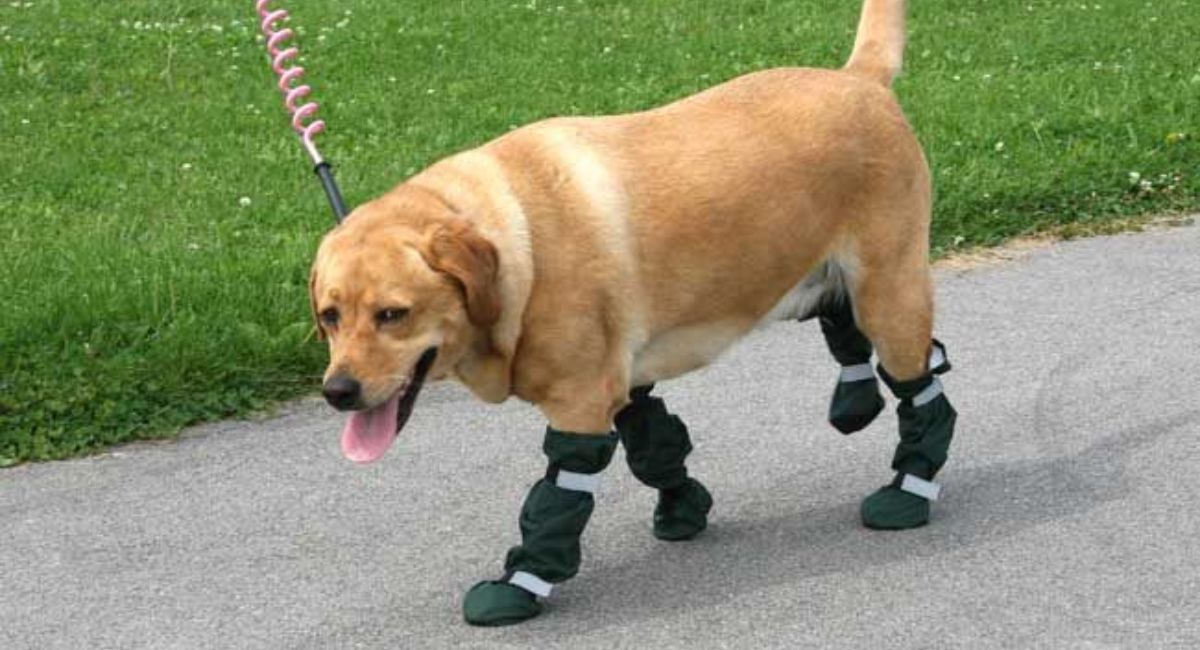
Dog booties are often seen as a cute accessory, but they are actually an important part of paw protection for dogs. A dog’s paw pads may look tough, yet they can easily be damaged by hot pavement, icy sidewalks, sharp rocks, and rough terrain. Just like we wear shoes to protect our feet, dogs also need proper protection when walking in challenging conditions.
Many pet owners ask, “Should dogs wear booties?” The answer depends on the environment. In extreme summer heat, sidewalks and sand can burn sensitive paw pads within minutes. During winter, snow, ice, and road salt can cause cracks, irritation, and even frostbite. Dog booties create a protective barrier, helping to keep paws safe, comfortable, and injury-free in all seasons.
Beyond weather protection, dog boots improve grip, stability, and confidence, especially for active dogs who love hiking, running, or long walks. They also support dogs recovering from injuries or those with sensitive paws. When chosen and fitted correctly, canine footwear becomes essential gear — not just a fashion statement, but a smart step toward better paw health and overall safety.
Paw Protection: More Than Just a Fashion Statement
Dog booties are designed to protect your dog’s paws from everyday dangers that often go unnoticed. While paw pads are naturally strong, they are not built to handle extreme temperatures or rough surfaces for long periods. Wearing the right dog boots helps prevent injuries, discomfort, and long-term paw damage, especially during outdoor activities.
Hot Pavement and Sand
During summer, sidewalks, asphalt, and sand can become dangerously hot. In fact, pavement can burn a dog’s paw pads in just a few minutes. Many dogs continue walking despite the pain, which can lead to blisters and burns. Dog booties for summer act as a shield, protecting paws from extreme heat while allowing dogs to enjoy their walks safely and comfortably.
Winter Woes: Ice, Snow, and Salt
Winter brings a different set of problems for your dog’s paws. Ice and snow can cause dryness and cracking, while road salt and de-icing chemicals may lead to irritation or chemical burns. Dog booties for winter provide insulation and create a barrier between your dog’s paws and harmful surfaces. They also improve traction, helping dogs walk more confidently on slippery ground.
Rough Terrain and Hiking Trails
Hiking trails, gravel paths, and rocky surfaces can be tough on unprotected paws. Sharp stones, thorns, and uneven ground increase the risk of cuts and soreness. For active dogs that love outdoor adventures, dog boots offer reliable paw protection on rough terrain. They help reduce wear and tear on paw pads while improving grip and stability during long walks or hikes.
See Also: How to Build a Long, Healthy Life for Your Pet: Habits That Actually Work
Features to Look for in Quality Dog Boots
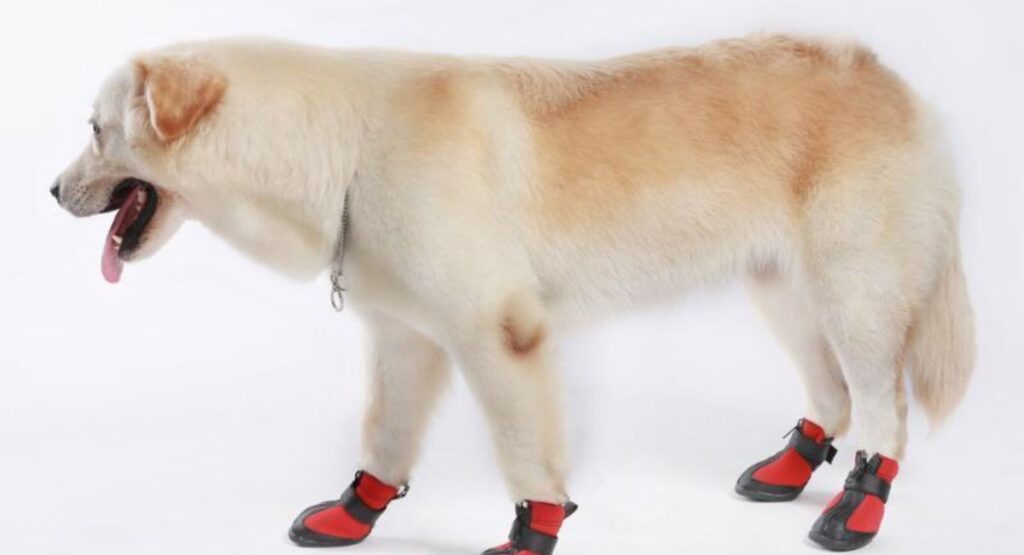
Not all dog booties offer the same level of protection. Choosing the right pair means focusing on comfort, durability, and safety. High-quality dog boots should protect your dog’s paws without limiting movement or causing discomfort. Paying attention to the right features will help you find booties that work well on different surfaces and in all seasons.
Waterproof and Breathable Materials
Good dog booties should be made from waterproof materials to keep paws dry in rain, snow, or mud. At the same time, they must be breathable so moisture does not build up inside the boot. Breathable fabrics help prevent sweating, irritation, and bad odors, making the boots more comfortable for longer walks and outdoor adventures.
Non-Slip, Durable Soles
A strong sole is one of the most important parts of dog boots. Non-slip soles provide better traction on wet roads, icy sidewalks, and uneven trails. Durable materials protect paws from sharp objects like rocks or glass while allowing dogs to walk naturally. This feature is especially important for senior dogs or those walking on slippery surfaces.
Secure and Adjustable Fit
A secure fit keeps dog booties from slipping off during walks. Adjustable straps or closures help you tighten the boots properly without cutting off circulation. Well-fitted boots stay in place, reduce rubbing, and make movement easier. This is also what helps solve a common problem pet owners face — keeping dog booties on during active play or longer walks.
Finding the Perfect Fit: A Practical Guide
Even the best dog booties will not work properly if they don’t fit well. A correct fit keeps your dog comfortable, prevents slipping, and helps the boots stay on during walks. Taking a few extra minutes to measure and adjust the booties can make a big difference in how your dog accepts them.
How to Measure Your Dog’s Paws
To measure your dog’s paws, place one paw on a piece of paper while your dog is standing. Trace around the paw, then measure the width and length of the outline. Always measure when the paw is fully spread, as this gives the most accurate size. Compare the measurements with the brand’s sizing guide to choose the right boot size.
Getting the Fit Just Right
When putting on dog booties, make sure the paw is fully inside and lying flat. Tighten the straps so the boot feels secure but not too tight. You should be able to slide one finger under the strap comfortably. A proper fit helps prevent rubbing and answers a common concern — how to keep dog booties from falling off during walks.
The “Funny Walk” Phase
It’s completely normal for dogs to walk awkwardly at first when wearing booties. This adjustment period, often called the “funny walk” phase, usually lasts a few minutes to a few days. Let your dog wear the booties indoors for short periods and reward them with treats. With time and patience, most dogs get used to booties and walk normally again.
When to Use Dog Boots
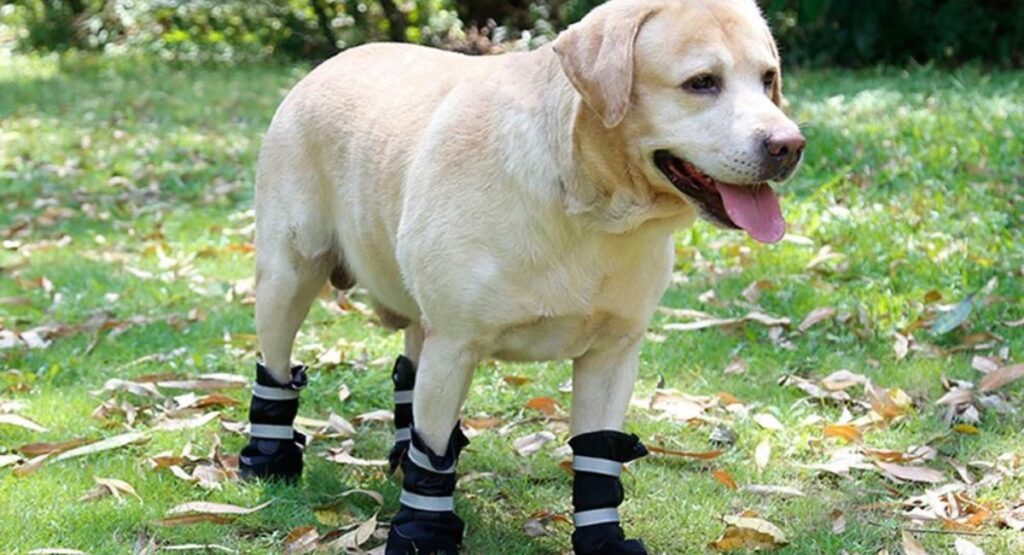
Dog booties are not something dogs need all the time, but there are many situations where they become extremely helpful. Knowing when to use dog boots can protect your dog’s paws from pain, injury, and long-term damage.
Dog booties are especially useful during hot summer months, when pavement and sand can burn paw pads. If the ground feels too hot for your bare hand, it is too hot for your dog’s paws. In these conditions, summer dog booties help prevent burns and discomfort.
In winter, dog booties are recommended for walking on snow, ice, or salted roads. They protect paws from freezing temperatures, sharp ice, and harmful de-icing chemicals. Winter dog booties also provide better traction, helping dogs walk safely on slippery surfaces.
Dog boots are also ideal for hiking, rough terrain, and outdoor adventures. Rocky trails, gravel paths, and uneven ground can cause cuts or soreness. Booties add an extra layer of protection and stability, making long walks more comfortable.
Other times to use dog booties include paw injuries, sensitive paws, allergies, or recovery after surgery. In these cases, booties help keep wounds clean and prevent further irritation. By using dog booties in the right situations, you support better paw health and overall safety.
How to Make Dog Booties Last Longer
Dog booties are an investment in your dog’s comfort and safety, and with proper care, they can last much longer. A few simple habits can help prevent early wear and tear while keeping the booties comfortable for your dog.
After each walk, especially in mud, snow, or sand, clean the dog booties to remove dirt and debris. Grit and small stones can damage the material over time and cause discomfort inside the boots. Most dog booties can be gently hand-washed and air-dried. Avoid using harsh detergents or dryers, as heat can weaken the fabric and soles.
Using dog booties only when needed also helps extend their lifespan. For example, reserve them for hot pavement, icy roads, rough terrain, or long hikes rather than everyday indoor use. Rotating between two pairs can also reduce stress on a single set, especially for active dogs.
Proper storage is another important step. Make sure the booties are completely dry before storing them in a cool, dry place. Check straps and soles regularly for signs of damage. Replacing worn straps early can help keep the boots secure and prevent them from falling off during walks.
See Also:Freedom Unleashed: 5 Ways to Give Your Dog More Space While Staying Safe
Make Paw Protection a Priority
Your dog’s paws are their foundation, and protecting them should be a top priority. Whether it’s scorching summer pavement, icy winter streets, or rough hiking trails, dog booties are essential gear that keeps paws safe, comfortable, and healthy. Ignoring paw protection can lead to burns, cuts, and long-term injuries that affect your dog’s mobility and happiness.
By choosing the right dog booties, measuring paws correctly, and caring for the boots properly, you ensure your dog can enjoy walks and outdoor adventures safely in any season. Quality footwear supports paw health, improves traction, and reduces the risk of injuries, giving both you and your dog peace of mind.
Investing time in paw protection is more than just a precaution — it’s a way to show care and responsibility. Your dog will thank you with happier walks, better confidence, and continued mobility for years to come. Make paw protection a priority today, and let every adventure be safe, fun, and worry-free.

“As founder of Namezroot, Muhammed Serum blends passion and creativity to bring readers content on names, lifestyle, travel, and more.”