
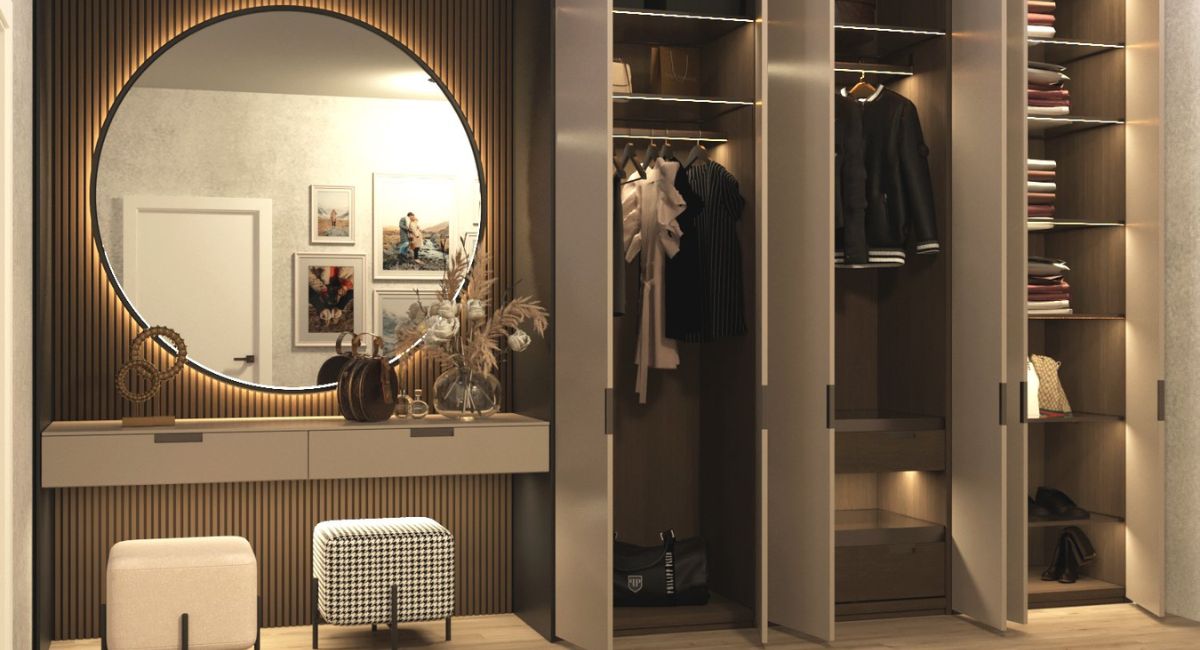
Closet doors may seem like a small detail in a room, but choosing the right style can completely transform the look, feel, and functionality of your space. The perfect closet door doesn’t just hide your belongings—it complements your room’s design, saves space, and can even enhance privacy and comfort. Whether you have a compact bedroom, a spacious walk-in closet, or a modern minimalist design, selecting the right door is essential to achieving a seamless and stylish interior.
Door for a Walk-In Closet can completely transform your space, balancing style, functionality, and accessibility. Choosing the right door ensures your closet looks great while making everyday use easy and practical.
In this guide, we’ll walk you through everything you need to know about closet doors, from understanding their role to exploring the different types, materials, and design options. By the end, you’ll have a clear roadmap to make the best choice for your space in 2026.
How to Choose a Door for a Walk-In Closet– Before You Begin
Before you start browsing styles or hardware, it’s important to consider a few foundational factors that will influence your choice. A closet door isn’t just about aesthetics—it’s also about practicality. Here are some key questions to ask yourself before making a decision:
- How much space do you have?
Some doors, like swinging doors, require clearance to open fully. Others, like sliding or bifold doors, are designed to save space, making them ideal for smaller rooms. - What’s your budget?
Closet doors range from affordable options like basic bifolds to high-end custom barn doors. Knowing your budget upfront will help narrow down the possibilities. - How will you use the closet?
High-traffic closets may benefit from doors that open smoothly and require minimal effort, while guest room closets might allow for more decorative options. - What is your room’s design style?
Modern, traditional, rustic, or contemporary interiors each pair better with certain door styles. Matching your door with the room’s overall look will create a cohesive feel. - Do you need extra features?
Some doors can include mirrors, panels, or built-in storage solutions. Consider whether these functional extras will benefit your daily routine.
Answering these questions first will make it easier to select a door that balances style, functionality, and your unique space requirements.
Understanding the Role of the Walk-In Closet Door
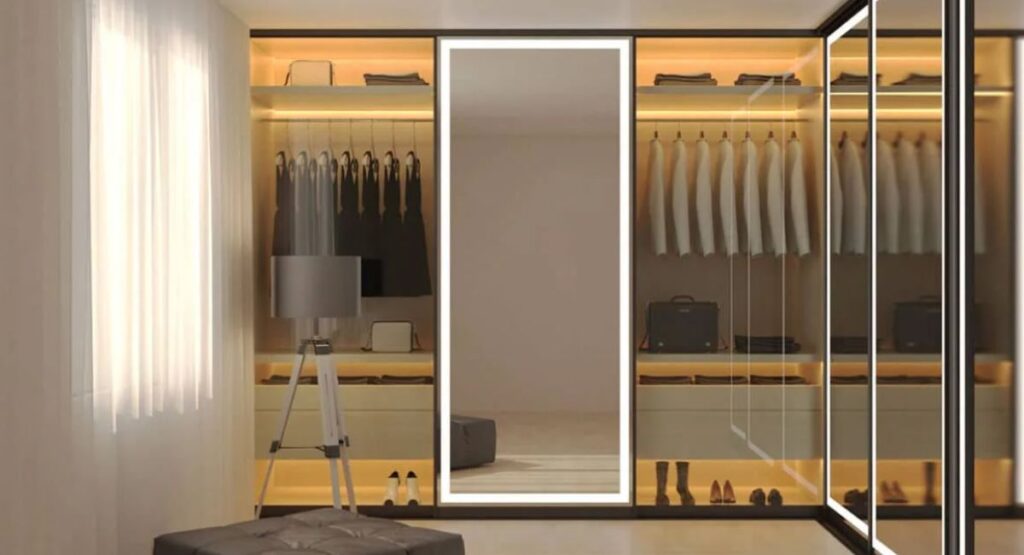
Closet doors serve multiple purposes beyond simply covering your belongings. Understanding these roles can help you make a more informed choice.
What a Closet Door Contributes
- Visual Appeal
A well-chosen closet door enhances the room’s design rather than blending into the background. French doors or sliding barn doors, for example, can become a striking focal point, while sleek sliding panels offer a minimalist touch. - Space Efficiency
Depending on the type, closet doors can maximize usable room space. Sliding or pocket doors allow for full use of floor space, while bifold or accordion doors occupy minimal room when opened. - Privacy and Organization
Doors keep clutter hidden and maintain a clean, organized look. They also provide privacy for walk-in closets or dressing areas, making your home feel tidier and more comfortable. - Sound Control
Certain door materials, such as solid wood, can help reduce noise from closets, which is especially useful if your closet is near living or sleeping areas. - Lighting and Reflection
Some closet doors incorporate mirrors or glass panels, which can increase natural light in a room and make the space feel larger. This is particularly valuable in bedrooms or smaller rooms. - Safety and Accessibility
The right door ensures easy access while minimizing hazards, such as doors that swing into narrow hallways or obstruct walkways.
Closet doors are not just functional—they are integral to your home’s style, flow, and usability. Choosing wisely ensures that your closet works harmoniously with your lifestyle and interior design.
Types of Doors for a Walk-In Closet
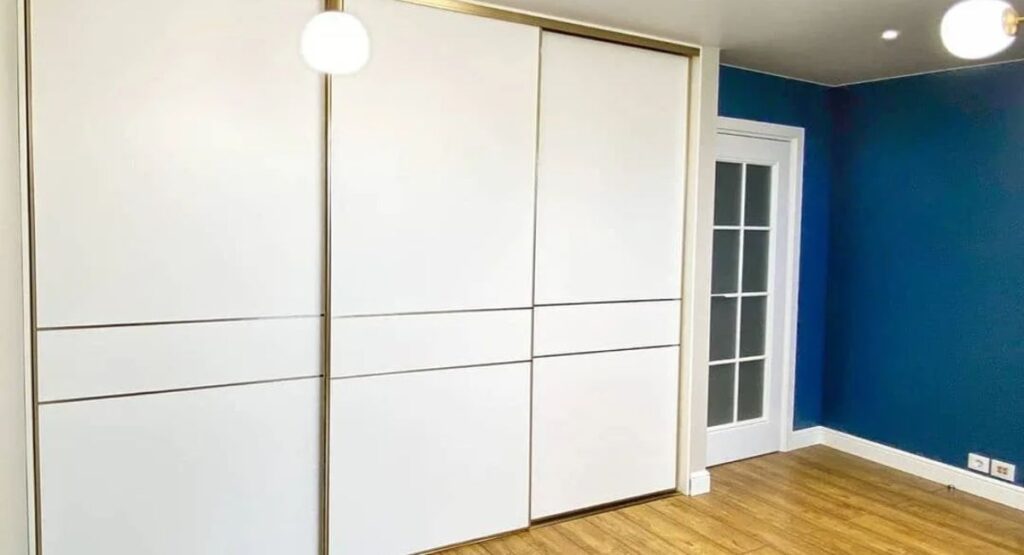
Closet doors come in many shapes, styles, and mechanisms. Choosing the right type depends on your room’s layout, space availability, aesthetic preferences, and how often you access your closet. Let’s explore the most common options.
Single Swinging Closet Doors
Single swinging doors are the traditional choice for many homes. They operate like a standard door, swinging open on hinges.
Pros:
- Classic design that fits almost any interior style
- Easy to install and maintain
- Provides full access to the closet when opened
Cons:
- Requires clearance space in front of the closet, which can limit furniture placement
- Not ideal for small or narrow rooms
Single swinging doors can be customized with decorative panels, glass inserts, or mirrors to elevate both function and style. They remain a popular choice for bedrooms, guest rooms, and walk-in closets with enough space to accommodate their swing.
French Closet Doors or Double Closet Doors
French doors consist of two swinging panels that meet in the middle, creating a more elegant, open feel.
Pros:
- Adds a sophisticated, decorative touch
- Allows wider access to the closet
- Can include glass panels for light flow or mirrored surfaces
Cons:
- Like single swinging doors, they need clearance space
- More expensive than basic doors
- Hinges and hardware may require occasional maintenance
French doors are perfect for master bedrooms or rooms where a stylish, symmetrical design is desired. They give a room a luxurious, boutique-like appeal.
Bifold Closet Doors or Accordion Closet Doors
Bifold doors fold in on themselves, offering a compact solution that doesn’t require as much clearance as swinging doors.
Pros:
- Space-efficient and practical for small rooms
- Wide variety of materials and finishes
- Easy to operate and install
Cons:
- Can wear out over time if used frequently
- May not provide as solid a barrier for sound or light
- Panels may require occasional alignment
Bifold or accordion doors are especially popular in bedrooms, laundry areas, and hall closets, where maximizing floor space is a priority.
Sliding Barn Doors
Sliding barn doors glide along a track mounted above the doorway, creating a bold and modern look.
Pros:
- Saves floor space
- Makes a strong design statement
- Can be customized with materials like reclaimed wood or metal
Cons:
- Requires wall space next to the closet for the door to slide open
- Installation can be more complex
- Does not fully seal the closet, offering less privacy
Barn doors are ideal for contemporary, rustic, or farmhouse-style interiors. They transform a simple closet into a design focal point while remaining functional.
Pocket Closet Doors
Pocket doors slide into a recessed compartment inside the wall, disappearing completely when opened.
Pros:
- Maximizes room space entirely
- Clean, minimalist appearance
- Works well for tight hallways or narrow bedrooms
Cons:
- Installation is more involved and may require wall modifications
- Hardware can be expensive
- Repairing or replacing components is more complicated
Pocket doors are perfect for small spaces where every square foot counts. They provide unobstructed access without interfering with furniture placement.
See Also: Tips for Using Soft Chiffon Fabric to Decorate Your Home
Closet Doors: Style and Design
Closet doors are not just functional—they’re a design element. You can choose from:
- Mirrored doors: Great for making small rooms feel larger and adding a full-length mirror
- Louvered doors: Allow airflow while maintaining privacy
- Panel doors: Offer a classic or contemporary look depending on the panel style
- Glass or frosted doors: Bring light into darker rooms while maintaining some privacy
Choosing the right style ensures your closet complements your room’s interior design while serving your everyday needs.
Want More Closet Door Inspiration?
If you’re still undecided, browsing home décor magazines, online design platforms, or visiting showrooms can spark ideas. Pay attention to:
- Color and material combinations
- Hardware finishes that match room décor
- Innovative designs like sliding mirrored panels or mixed-material doors
Finding inspiration helps you visualize how different closet doors will look in your own space, making your final decision easier and more confident.
Bifold Doors:
Bifold doors are widely popular because they combine practicality with affordability. They fold neatly to one side, making them a smart option for smaller rooms or spaces where you want easy access to the closet without taking up too much floor area.
Pros:
- Space-saving design
- Easy to operate
- Affordable and widely available
Cons:
- Panels may misalign over time
- Less soundproof than solid doors
Bifold doors remain a favorite for bedrooms, hall closets, and laundry areas because they balance function, style, and budget efficiently.
Sliding/Bypass Doors: Space-Savers With a Trade-Off
Sliding or bypass doors glide along tracks, providing a sleek, space-efficient solution.
Pros:
- Great for tight spaces
- Smooth, modern appearance
- Can feature mirrors or decorative panels
Cons:
- Only one side of the closet is accessible at a time
- Track maintenance may be required
Sliding doors work well in contemporary homes or areas where floor space is limited, though they trade off full access for convenience.
Barn Doors: Stunning Design, But Know the Downsides
Barn doors create a strong visual impact and suit rustic, modern, or industrial interiors.
Pros:
- Eye-catching design
- Slides save floor space
- Can be customized with wood or metal finishes
Cons:
- Needs wall space for sliding
- Limited privacy and soundproofing
- Installation can be more complex
Barn doors are perfect for statement closets or walk-in areas where style matters as much as function.
French Doors and Traditional Swinging Options
French or traditional swinging doors offer a classic, elegant appearance.
Pros:
- Full closet access
- Timeless style
- Can include mirrors or decorative panels
Cons:
- Requires clearance space
- Less practical in tight rooms
These doors are ideal for larger bedrooms or walk-ins where design and access take priority.
See Also: How To Protect Your Roof From Heavy Rain And Storm Damage
Budget-Friendly Alternatives That Work
If you’re on a budget, options like standard bifold doors, simple sliding panels, or basic single swinging doors provide functionality without compromising style. Vinyl, MDF, or lightweight wood can offer an attractive look at a lower cost.
What’s Actually Worth It in 2026
When choosing a closet door in 2026, consider:
- Durability: Solid wood or high-quality composite materials last longer
- Ease of use: Smooth operation and minimal maintenance
- Design fit: Harmonizes with your room without overwhelming it
- Space efficiency: Choose a style that maximizes usable space
Investing in a door that balances these factors ensures you get a functional, stylish, and long-lasting solution.
Making the Right Choice for Your Space
Choosing the right closet door is about more than style—it’s about matching your door to your room’s size, layout, and daily use. Consider:
- Room size: Smaller spaces benefit from sliding, bifold, or pocket doors.
- Access needs: Walk-in closets may require doors that open fully, like French or swinging doors.
- Lifestyle: Frequent use calls for durable doors that are easy to operate.
By thinking about your specific space, you ensure the door complements your room without creating inconvenience.
Choosing the Right Material
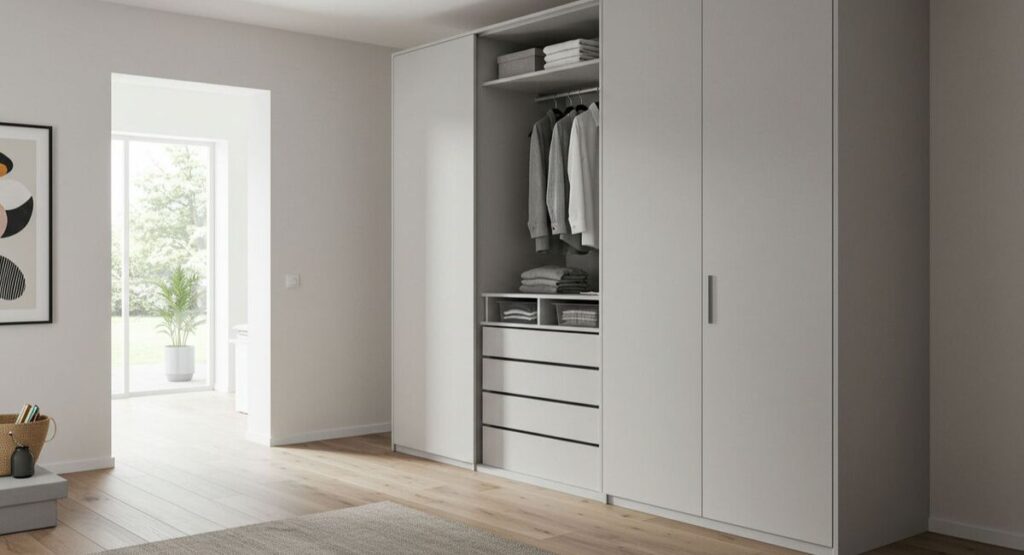
The material of a closet door affects both its durability and appearance.
Popular Materials
- Wood: Classic and sturdy, works with most interior styles.
- MDF/Composite: Affordable, lightweight, and easy to paint.
- Glass or Frosted Panels: Adds light and a modern touch.
- Metal: Industrial and modern, often used for barn doors.
Selecting the right material balances cost, style, and practicality.
Closet Doors and Lighting
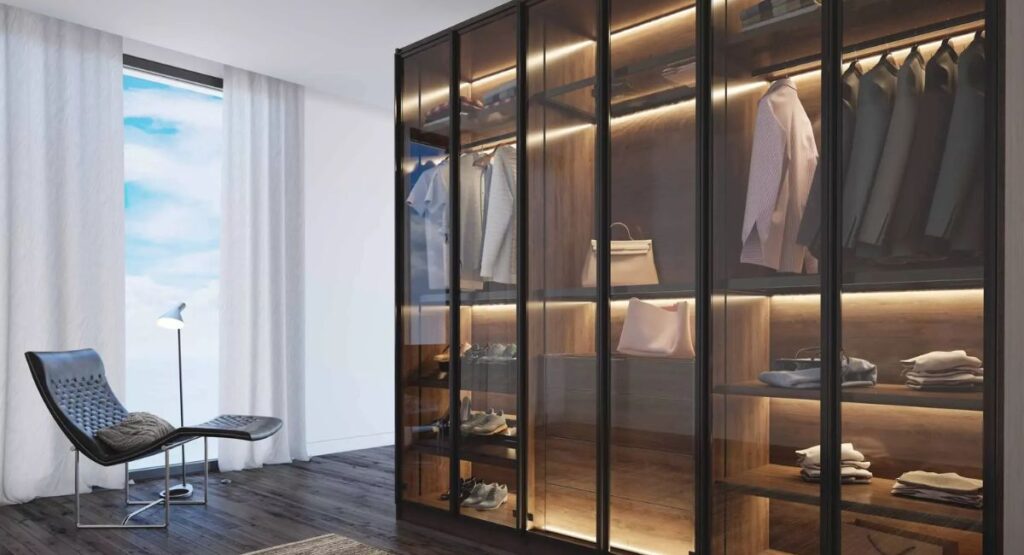
Closet doors can influence how light moves through a room.
Lighting-Friendly Choices
- Mirrored doors: Reflect light and make small rooms appear larger.
- Glass or frosted panels: Allow natural or artificial light to filter through.
- Light-colored finishes: Brighten darker rooms and create a more open feel.
Consider how your door choice can enhance or limit lighting to improve both functionality and ambiance.
Matching the Door with the Interior Style
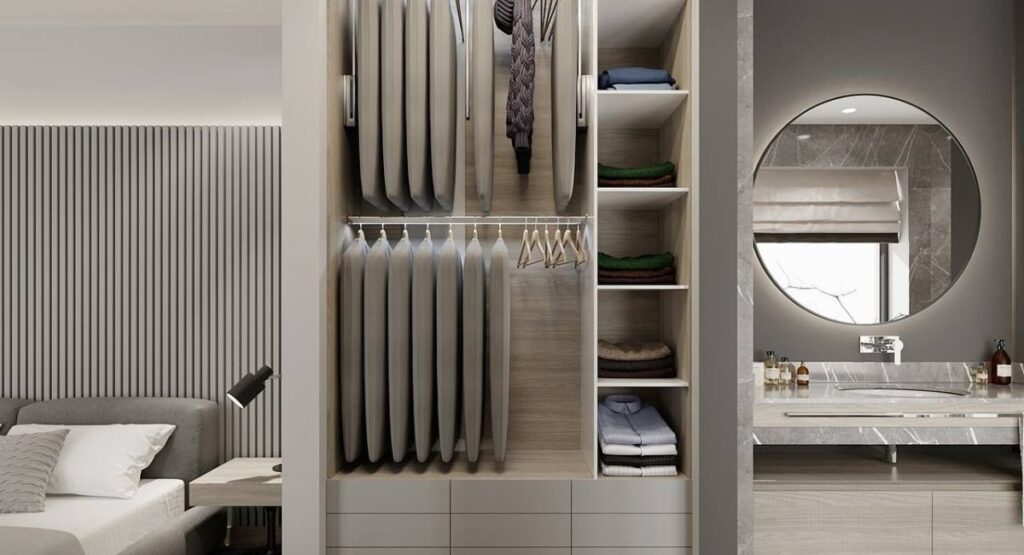
Closet doors should blend with or enhance your room’s design.
Matching Ideas
- Modern rooms: Sliding panels or sleek barn doors with minimal hardware.
- Traditional rooms: Swinging or French doors with decorative panels.
- Rustic/farmhouse rooms: Wooden barn doors with natural textures.
A well-matched door completes the room’s look and adds to the overall aesthetic appeal.
Space Considerations
Closet doors impact how furniture and traffic flow work in a room.
Space-Oriented Tips
- Sliding or pocket doors save floor space.
- Bifold doors reduce swing clearance.
- Swinging doors need enough room to open fully without obstruction.
Choosing a door with space in mind ensures your room remains practical and comfortable.
See Also: Types of viburnum for gardens and floral decorations
Closet Door Aesthetics
The visual appeal of a closet door influences the overall feel of the room. Consider:
- Color and finish: Neutral tones for subtlety, bold colors for a statement.
- Panel style: Adds texture and depth.
- Hardware choices: Handles and knobs can enhance or define the design.
A stylish door improves both room decor and the perception of space.
Sound, Privacy, and Everyday Comfort
Closet doors also affect comfort in your home.
Comfort Factors
- Noise reduction: Solid doors block sound better than lightweight or louvered panels.
- Privacy: Doors with solid panels keep your belongings hidden.
- Ease of use: Smooth operation prevents frustration in daily use.
Selecting doors that combine aesthetics with comfort ensures they meet both practical and design needs.
Selected Models
When choosing a closet door, it can help to review some popular models available in 2026. Depending on style, material, and budget, these doors suit a variety of spaces:
- Bifold Doors: Available in wood, MDF, and mirrored finishes; great for bedrooms and hall closets.
- Sliding/Bypass Doors: Smooth-gliding panels, often with mirrored or frosted glass options for modern spaces.
- Barn Doors: Rustic or modern wooden panels with metal hardware, perfect for statement closets.
- French and Swinging Doors: Elegant wood or painted finishes for larger rooms and walk-in closets.
- Pocket Doors: Minimalist, space-saving options for compact or narrow rooms.
Reviewing models helps you visualize how each type will fit your room’s style and function.
Barn Door Hardware Kits
For those choosing barn doors, a quality hardware kit is essential for smooth operation and long-term durability. Kits usually include:
- Steel or aluminum track
- Rollers and brackets
- Door stops and guides
- Mounting hardware
Selecting a reliable kit ensures your barn door operates smoothly while adding a polished, professional look.
Estimated Total
When planning your closet door purchase, consider the total cost:
- Door panels: Varies by material and size.
- Hardware: Handles, tracks, hinges, and kits.
- Installation: DIY vs. professional service.
- Extras: Mirrors, frosted glass, or decorative panels.
Estimating the total cost beforehand helps you stay within budget and choose a door that offers both style and value.
Conclusion
Choosing the right closet door is more than just picking a style—it’s about creating a balance between functionality, space, and aesthetic appeal. The perfect door can enhance your room’s design, make daily routines easier, and even improve the overall comfort of your home. Whether you opt for a space-saving bifold, a sleek sliding door, a striking barn door, or a classic French or swinging door, each option offers unique advantages that suit different needs and lifestyles.
It’s important to consider not only the visual impact but also practical factors like room size, clearance space, durability, and ease of use. Materials, lighting, and interior style play a key role in ensuring your closet door complements the rest of your room while remaining functional. By thoughtfully evaluating your space and requirements, you can avoid common pitfalls, save time and money, and choose a door that truly enhances your home.
Ultimately, a well-chosen closet door is an investment in both style and convenience. It helps maintain an organized, clutter-free environment while elevating the room’s overall design. With the variety of options available in 2026—from budget-friendly alternatives to high-end statement pieces—you can confidently select a door that fits your space, meets your needs, and adds lasting value to your home.

“As founder of Namezroot, Muhammed Serum blends passion and creativity to bring readers content on names, lifestyle, travel, and more.”