
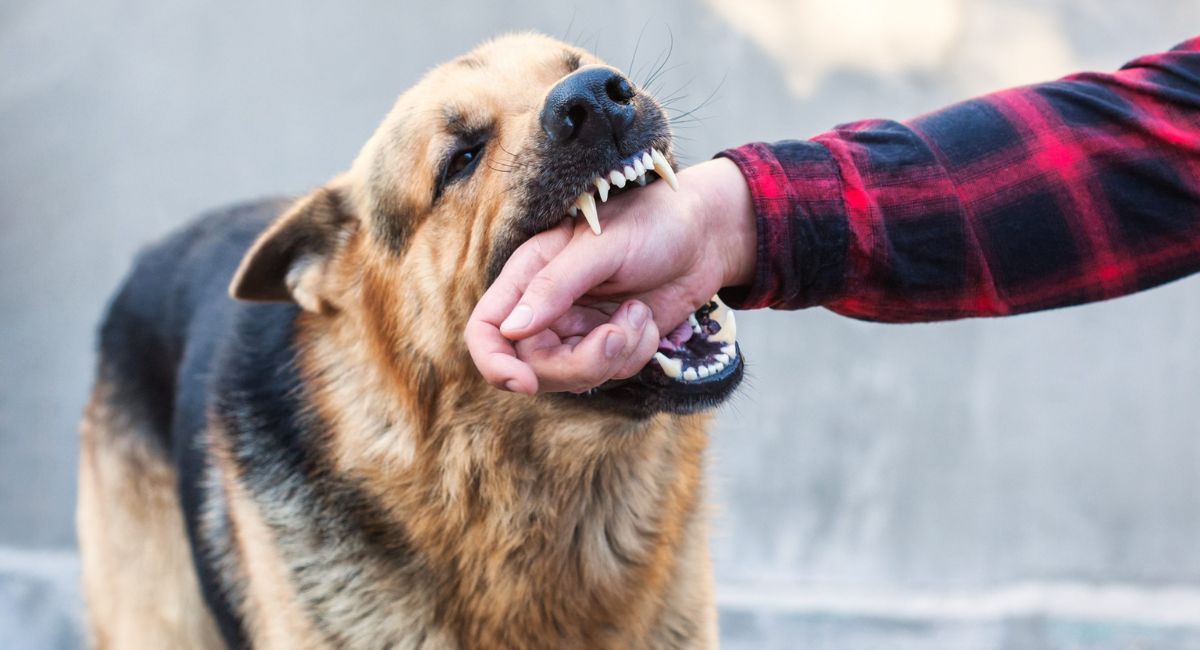
Dog bite incidents can happen unexpectedly and leave victims dealing with pain, fear, and uncertainty. Beyond the physical injuries, many people struggle to understand what actions to take immediately after an attack. Knowing how to handle dog bite injuries safely and legally is essential to protect your health, prevent infection, and avoid long-term complications.
When a dog bite occurs, quick and informed decisions can significantly impact recovery and legal outcomes. Proper wound care, timely medical treatment, and accurate documentation are all critical steps that many victims overlook. Learning how to handle dog bite injuries safely and legally ensures you respond correctly from the very first moment, reducing risks and safeguarding your rights.
In addition to medical concerns, dog bite injuries often involve legal responsibilities and potential compensation. Understanding dog owner liability, reporting procedures, and documentation requirements can feel overwhelming during a stressful time. This guide explains how to handle dog bite injuries safely and legally through clear, step-by-step actions that support both physical healing and legal protection.
Immediate Steps After a Dog Bite
The first step in how to handle dog bite injuries safely and legally is ensuring immediate safety. Move away from the dog calmly to prevent further injury. If the dog is aggressive or loose, seek shelter and call for help.
Your safety and the safety of others nearby should always come first. Avoid sudden movements, and never attempt to restrain an unfamiliar dog after an attack. Once you’re in a safe location, focus on assessing the injury.
Assessing the Injury
Carefully examine the bite wound to understand its severity. Dog bite injuries can range from minor scratches to deep puncture wounds that damage muscles or nerves.
Signs of a serious dog bite injury include:
- Heavy bleeding
- Deep puncture wounds
- Torn skin or exposed tissue
- Numbness or severe pain
Even if the injury appears minor, dog bites can cause hidden damage and bacterial infections. Proper assessment helps determine whether emergency medical care is needed.
How to Handle Dog Bite Injuries Safely Through Proper Wound Cleaning

Cleaning the wound is a critical part of dog bite wound care. Rinse the area gently with clean running water for several minutes to remove bacteria and saliva. Use mild soap around the wound, but avoid harsh chemicals directly inside deep punctures.
After cleaning:
- Apply an antiseptic solution
- Cover the wound with a clean bandage
- Change dressings regularly
This step helps prevent infection from dog bite wounds, including serious conditions like rabies or tetanus.
Seeking Medical Treatment
Seeking medical treatment for dog bite injuries is essential—even if the wound looks small. A healthcare professional can assess infection risk, prescribe antibiotics, and determine whether you need a tetanus shot or rabies treatment.
Medical documentation also plays a key role if you pursue a dog bite claim later. Always follow up on medical advice and monitor the healing process closely.
See Also: Freedom Unleashed: 5 Ways to Give Your Dog More Space While Staying Safe
Identifying the Dog and Owner
An important legal step in how to handle dog bite injuries safely and legally is identifying the dog and its owner. Ask for:
- Owner’s name and contact information
- Proof of rabies vaccination
- Dog’s breed and description
If the owner is unavailable, try to gather information from witnesses or nearby residents. This information is vital for reporting dog bite incidents and determining dog owner responsibility.
Documenting Everything
Proper documentation strengthens both medical and legal outcomes. Take clear photos of:
- The bite wound from multiple angles
- Bruising and swelling over time
- Torn clothing or blood stains
Keep copies of medical records, bills, and prescriptions. Write down details such as the date, time, location of the dog bite incident, and witness statements. Thorough documentation is essential for dog bite legal claims and insurance negotiations.
See Also: The Complete Guide to Small Cat Breeds
Report to Animal Control After a Dog Bite
Reporting a dog bite to animal control is an important step in how to handle dog bite injuries safely and legally. This report creates an official record of the incident and helps protect others from potential future attacks. Animal control authorities can verify the dog’s vaccination status, especially for rabies, and assess whether the animal poses a public safety risk.
When reporting a dog bite incident, provide accurate details such as the date, time, location, and description of the dog and its owner. Share any photos, medical reports, and witness information if available. This documentation strengthens your case and supports medical and legal follow-ups related to dog bite injuries.
Failing to report a dog bite may weaken your legal claim and delay important safety measures. Animal control reports are often used in dog bite lawsuits and insurance claims to establish responsibility and confirm compliance with local dog bite laws. Prompt reporting ensures both your safety and your legal rights are protected.
Consult a Dog Bite Lawyer
Consulting a dog bite lawyer can help you clearly understand your legal rights after a dog attack. Dog bite laws vary by location, and liability may depend on factors such as the dog’s history, the owner’s responsibility, and whether local strict liability laws apply. A qualified dog bite attorney can review your situation and explain whether you are eligible to file a legal claim.
A dog bite lawyer plays a key role in building a strong case. They help collect medical records, injury photos, animal control reports, and witness statements that support your claim. This documentation is essential when proving negligence, establishing damages, and seeking compensation for medical treatment, lost income, and emotional distress caused by dog bite injuries.
Insurance companies often attempt to settle dog bite claims quickly and for less than they are worth. Consulting a dog bite lawyer ensures your rights are protected during negotiations and legal proceedings. With professional guidance, you can focus on healing while your attorney works to pursue fair compensation for your dog bite injury.
Reporting the Incident
Reporting the dog bite to local authorities or animal control protects others and creates an official record. This step helps verify vaccination status and prevents future attacks.
Animal control reports often play a key role in dog bite lawsuits and personal injury claims. Delaying or skipping this step may weaken your legal rights after a dog bite injury.
See Also: How Air Quality Affects Your Mood and Energy Levels
Understanding Your Rights
Understanding dog bite laws is a core part of how to handle dog bite injuries safely and legally. Many regions follow strict liability laws, meaning the dog owner may be responsible regardless of prior behavior.
You may be entitled to compensation for:
- Medical expenses
- Lost wages
- Pain and suffering
- Emotional trauma
Consulting a dog bite lawyer can help you understand your legal options and determine whether filing a claim is appropriate.
Avoiding Common Mistakes
Many victims unintentionally harm their case by making avoidable mistakes. Common errors include:
- Not seeking immediate medical care
- Failing to document injuries properly
- Ignoring signs of infection
- Accepting quick insurance settlements
Avoid posting details about the incident on social media, as these posts may be used against you during legal proceedings.
Recovery and Safety Tips
Recovery from dog bite injuries takes time and proper care. Follow all medical instructions, complete prescribed medications, and attend follow-up appointments.
Watch for signs of infection such as redness, swelling, fever, or pus. Prioritize rest, wound monitoring, and emotional well-being. Dog attacks can cause psychological stress, and seeking support is a healthy part of recovery.
Final Thoughts
Knowing how to handle dog bite injuries safely and legally empowers you to protect your health, rights, and future. From immediate wound care to legal documentation and recovery, each step plays an important role in achieving the best outcome.
By acting quickly, staying informed, and seeking professional help when needed, you can navigate the aftermath of a dog bite with confidence and clarity.

“As founder of Namezroot, Muhammed Serum blends passion and creativity to bring readers content on names, lifestyle, travel, and more.”