

Flowers hold a special place in Japanese culture, symbolizing beauty, renewal, purity, and the fleeting nature of life. From the iconic cherry blossom (sakura) to the graceful lotus (ren), floral imagery is deeply woven into Japanese traditions, poetry, and even naming practices.
Japanese names that mean “flower” are not only elegant and meaningful but also timeless. Whether you’re looking for a baby name, a character name, or simply exploring Japanese culture, this carefully curated list of Japanese flower names for girls, boys, and unisex use will help you find the perfect bloom.
The Cultural Significance of Flowers in Japan
Flowers hold profound cultural and spiritual meaning in Japan, deeply influencing art, literature, festivals, and naming traditions. In Japanese culture, flowers are not merely decorative—they represent emotions, seasons, and the impermanent nature of life. This concept is beautifully captured in the philosophy of mono no aware, which reflects an awareness of life’s fleeting beauty.
The most famous example is sakura (cherry blossom), symbolizing renewal, hope, and the transient nature of existence. Other flowers such as chrysanthemums represent longevity and nobility, while lotus flowers symbolize purity and rebirth. Seasonal flower viewing traditions like hanami further emphasize the emotional bond between people and nature.
Because of this deep-rooted symbolism, Japanese names meaning flower are chosen with care and intention. Parents often select floral names to express wishes for beauty, grace, resilience, and harmony in their children’s lives. This cultural reverence makes Japanese flower-inspired names both meaningful and timeless.
Why Choose Japanese Names That Mean Flower?

Choosing a Japanese name that means flower goes beyond aesthetics—it reflects cultural depth, symbolism, and emotional significance. These names are admired worldwide for their elegance and meaningful kanji combinations.
Here are some compelling reasons to choose Japanese flower names:
- Deep symbolism: Flowers in Japan symbolize growth, peace, purity, and renewal.
- Timeless beauty: Floral names remain relevant across generations.
- Cultural richness: They reflect Japan’s strong connection to nature and seasons.
- Unique yet gentle: Japanese flower names sound soft but carry powerful meanings.
- Wide variety: Options exist for girls, boys, unisex names, and even surnames.
Whether you are naming a baby, a character, or simply exploring Japanese culture, names that mean flower in Japanese offer poetic beauty and lasting significance.
Japanese Names Meaning Flower For Girls
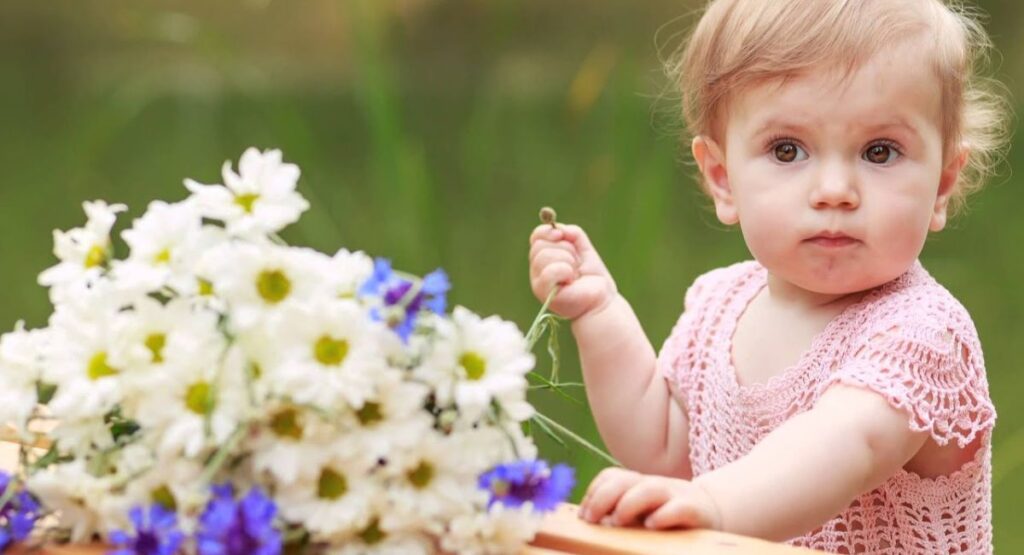
Japanese girl names meaning flower are loved for their soft pronunciation, poetic depth, and close connection to nature. Many of these names use the kanji 花 (hana) meaning “flower,” combined with characters symbolizing beauty, fragrance, seasons, or blessings. These floral Japanese names are both traditional and modern, making them perfect for baby girls.Japanese names inspired by flowers reflect beauty, grace, and nature. Parents often choose these names to convey elegance, hope, and happiness to their little ones. Here’s a complete list of beautiful Japanese flower names for girls, with meanings, pronunciations, and kanji.
- Hanako
Meaning: Flower child
Pronunciation: hah-nah-koh
Kanji: 花子 - Sakura
Meaning: Cherry blossom
Pronunciation: sah-koo-rah
Kanji: 桜 - Sumire
Meaning: Violet flower
Pronunciation: soo-mee-reh
Kanji: 菫 - Nadeshiko
Meaning: Pink carnation
Pronunciation: nah-deh-shee-koh
Kanji: 撫子 - Yuri ( see also Japanese Names That Start With “Y” With Meanings)
Meaning: Lily
Pronunciation: yoo-ree
Kanji: 百合 - Tsubaki
Meaning: Camellia flower
Pronunciation: tsoo-bah-kee
Kanji: 椿 - Azami
Meaning: Thistle flower
Pronunciation: ah-zah-mee
Kanji: 薊 - Hana
Meaning: Flower
Pronunciation: hah-nah
Kanji: 花 - Ayame
Meaning: Iris
Pronunciation: ah-yah-meh
Kanji: 菖蒲 - Hinagiku
Meaning: Daisy
Pronunciation: hee-nah-gee-koo
Kanji: 雛菊 - Kaoruko
Meaning: Fragrant flower child
Pronunciation: kah-oh-roo-koh
Kanji: 薫子 - Hanae
Meaning: Flower blessing
Pronunciation: hah-nah-eh
Kanji: 花恵 - Reika
Meaning: Lovely flower
Pronunciation: ray-kah
Kanji: 麗花 - Saika
Meaning: Colorful flower
Pronunciation: sai-kah
Kanji: 彩花 - Hanayu
Meaning: Gentle flower
Pronunciation: hah-nah-yoo
Kanji: 花優 - Haname
Meaning: Flower bud
Pronunciation: hah-nah-meh
Kanji: 花芽 - Urara
Meaning: Beautiful flower
Pronunciation: oo-rah-rah
Kanji: 麗花 - Sakuyo
Meaning: Blooming flower of the evening
Pronunciation: sah-koo-yoh
Kanji: 咲夜 - Hanami
Meaning: Flower viewing
Pronunciation: hah-nah-mee
Kanji: 花見 - Kaika
Meaning: Blooming flower
Pronunciation: kai-kah
Kanji: 開花 - Renka
Meaning: Lotus flower
Pronunciation: ren-kah
Kanji: 蓮花 - Yurika
Meaning: Lily flower
Pronunciation: yoo-ree-kah
Kanji: 百合花 - Hanaru
Meaning: Becoming a flower
Pronunciation: hah-nah-roo
Kanji: 花留 - Botanko
Meaning: Peony child
Pronunciation: boh-tahn-koh
Kanji: 牡丹子 - Hanayuki
Meaning: Snow flower
Pronunciation: hah-nah-yoo-kee
Kanji: 花雪 - Ayako
Meaning: Colorful flower child
Pronunciation: ah-yah-koh
Kanji: 彩子 - Sayuri
Meaning: Small lily
Pronunciation: sah-yoo-ree
Kanji: 小百合 - Yuriko
Meaning: Lily child
Pronunciation: yoo-ree-koh
Kanji: 百合子 - Hanarei
Meaning: Lovely flower
Pronunciation: hah-nah-ray
Kanji: 花麗 - Keika
Meaning: Blessed flower
Pronunciation: kay-kah
Kanji: 恵花 - Himeka
Meaning: Princess flower
Pronunciation: hee-meh-kah
Kanji: 姫花 - Ichika
Meaning: First flower
Pronunciation: ee-chee-kah
Kanji: 一花 - Mika
Meaning: Beautiful flower
Pronunciation: mee-kah
Kanji: 美花 - Rika
Meaning: Jasmine flower
Pronunciation: ree-kah
Kanji: 莉花 - Shika
Meaning: Four flowers
Pronunciation: shee-kah
Kanji: 四花 - Wakana
Meaning: Young flower
Pronunciation: wah-kah-nah
Kanji: 若花 - Yoshika
Meaning: Good flower
Pronunciation: yoh-shee-kah
Kanji: 良花 - Akika
Meaning: Autumn flower
Pronunciation: ah-kee-kah
Kanji: 秋花 - Emika
Meaning: Smiling flower
Pronunciation: eh-mee-kah
Kanji: 笑花 - Fumika
Meaning: History flower
Pronunciation: foo-mee-kah
Kanji: 史花 - Haruka
Meaning: Spring flower
Pronunciation: hah-roo-kah
Kanji: 春花 - Kohana
Meaning: Little flower
Pronunciation: koh-hah-nah
Kanji: 小花 - Machika
Meaning: Awaited flower
Pronunciation: mah-chee-kah
Kanji: 待花 - Marika
Meaning: True flower
Pronunciation: mah-ree-kah
Kanji: 真花 - Moeka
Meaning: Budding flower
Pronunciation: moh-eh-kah
Kanji: 萌花 - Narika
Meaning: Becoming flower
Pronunciation: nah-ree-kah
Kanji: 成花 - Aichika
Meaning: Love flower
Pronunciation: ah-ee-chee-kah
Kanji: 愛花 - Sachika
Meaning: Happy flower
Pronunciation: sah-chee-kah
Kanji: 幸花 - Shizuka
Meaning: Quiet flower
Pronunciation: shee-zoo-kah
Kanji: 静花 - Tomoka
Meaning: Friendly flower
Pronunciation: toh-moh-kah
Kanji: 友花 - Himawari
Meaning: Sunflower
Pronunciation: hee-mah-wah-ree
Kanji: 向日葵 - Ayaka
Meaning: Colorful flower
Pronunciation: ah-yah-kah
Kanji: 彩花 - Momoka
Meaning: Peach flower
Pronunciation: moh-moh-kah
Kanji: 桃花 - Shion
Meaning: Aster flower
Pronunciation: shee-on
Kanji: 紫苑 - Kanoka
Meaning: Flower of fragrance
Pronunciation: kah-noh-kah
Kanji: 香花 - Hinako
Meaning: Sunflower child
Pronunciation: hee-nah-koh
Kanji: 日菜子 - Fuyuka
Meaning: Winter flower
Pronunciation: foo-yoo-kah
Kanji: 冬花 - Mizuhana
Meaning: Water flower
Pronunciation: mee-zoo-hah-nah
Kanji: 水花 - Satsuki
Meaning: Fifth month flower / Azalea
Pronunciation: sah-tsu-kee
Kanji: 皐月 - Koharu
Meaning: Small spring flower
Pronunciation: koh-hah-roo
Kanji: 小春 - Tsubame
Meaning: Swallow flower
Pronunciation: tsoo-bah-meh
Kanji: 燕花 - Rikuka
Meaning: Jasmine flower
Pronunciation: ree-koo-kah
Kanji: 莉花 - Nozomi
Meaning: Hope flower
Pronunciation: noh-zoh-mee
Kanji: 希花 - Akihana
Meaning: Red flower
Pronunciation: ah-kee-hah-na
See Also: 115+ Japanese Names That Mean “Fire” For Boys & Girls
Japanese Flower Names For Boys

Japanese flower names for boys reflect calm strength, natural beauty, and balance. In Japanese culture, flowers are not seen as feminine alone—they also symbolize growth, resilience, and harmony, making them meaningful choices for boys as well. These Japanese boy names meaning flower often combine 花 (hana) or floral imagery with kanji representing power, creation, or legacy.
- Hanato
Meaning: Flower person
Pronunciation: hah-nah-toh
Kanji: 花人 - Hanazo
Meaning: Flower creation
Pronunciation: hah-nah-zoh
Kanji: 花造 - Rento
Meaning: Lotus field
Pronunciation: rehn-toh
Kanji: 蓮斗 - Hantaro
Meaning: Flower firstborn son
Pronunciation: hahn-tah-roh
Kanji: 花太郎 - Hanryu
Meaning: Flowering stream
Pronunciation: hahn-ryoo
Kanji: 花流 - Kentaro
Meaning: Healthy flower son
Pronunciation: kehn-tah-roh
Kanji: 健花郎 - Renju
Meaning: Lotus tree
Pronunciation: rehn-joo
Kanji: 蓮樹 - Hanahiko
Meaning: Flower prince
Pronunciation: hah-nah-hee-koh
Kanji: 花彦 - Hanaki
Meaning: Flower tree
Pronunciation: hah-nah-kee
Kanji: 花木 - Rentaro
Meaning: Lotus firstborn
Pronunciation: rehn-tah-roh
Kanji: 蓮太郎 - Kenzo
Meaning: Flower creation
Pronunciation: kehn-zoh
Kanji: 花造 - Hikaruha
Meaning: Radiant flower
Pronunciation: hee-kah-roo-hah
Kanji: 光花 - Hanajiro
Meaning: Flower second son
Pronunciation: hah-nah-jee-roh
Kanji: 花次郎 - Renzo
Meaning: Lotus creation
Pronunciation: rehn-zoh
Kanji: 蓮造 - Hanao
Meaning: Flower man
Pronunciation: hah-nah-oh
Kanji: 花男 - Kairin
Meaning: Flowering forest
Pronunciation: kai-reen
Kanji: 花林 - Hanakazu
Meaning: Flower harmony
Pronunciation: hah-nah-kah-zoo
Kanji: 花和 - Hanasuke
Meaning: Flower helper
Pronunciation: hah-nah-soo-keh
Kanji: 花介 - Kaiju
Meaning: Flowering tree
Pronunciation: kai-joo
Kanji: 花樹 - Hanashi
Meaning: Flower will
Pronunciation: hah-nah-shee
Kanji: 花志 - Hanaichi
Meaning: First flower
Pronunciation: hah-nah-ee-chee
Kanji: 花一 - Kaiichi
Meaning: First flower
Pronunciation: kai-ee-chee
Kanji: 花一 - Hanataro
Meaning: Flower eldest son
Pronunciation: hah-nah-tah-roh
Kanji: 花太郎 - Renshi
Meaning: Lotus warrior
Pronunciation: rehn-shee
Kanji: 蓮士 - Kaido
Meaning: Flower child
Pronunciation: kai-doh
Kanji: 花童 - Hanashiro
Meaning: White flower
Pronunciation: hah-nah-shee-roh
Kanji: 花白 - Hanasato
Meaning: Flower village
Pronunciation: hah-nah-sah-toh
Kanji: 花里 - Kaito
Meaning: Flowering east
Pronunciation: kai-toh
Kanji: 花東 - Souma
Meaning: Garden truth
Pronunciation: soh-mah
Kanji: 草真 - Soichiro
Meaning: Garden first son
Pronunciation: soh-ee-chee-roh
Kanji: 草一郎 - Sosuke
Meaning: Garden helper
Pronunciation: soh-soo-keh
Kanji: 草介 - Sonosuke
Meaning: Garden aid
Pronunciation: soh-noh-soo-keh
Kanji: 園介 - Soto
Meaning: Garden person
Pronunciation: soh-toh
Kanji: 草人 - Hanazou
Meaning: Flower maker
Pronunciation: hah-nah-zoh
Kanji: 花造 - Hananari
Meaning: Becoming flower
Pronunciation: hah-nah-nah-ree
Kanji: 花成 - Senriya
Meaning: Thousand flowers
Pronunciation: sehn-ree-yah
Kanji: 千花 - Kaimu
Meaning: Flower dream
Pronunciation: kai-moo
Kanji: 花夢 - Hananao
Meaning: Straight flower
Pronunciation: hah-nah-nah-oh
Kanji: 花直 - Sohen
Meaning: Garden edge
Pronunciation: soh-hehn
Kanji: 草辺 - Soken
Meaning: Garden sword
Pronunciation: soh-kehn
Kanji: 草剣
See Also: 110+ Cool Japanese Names With Meanings
Unisex Japanese Names For Flower
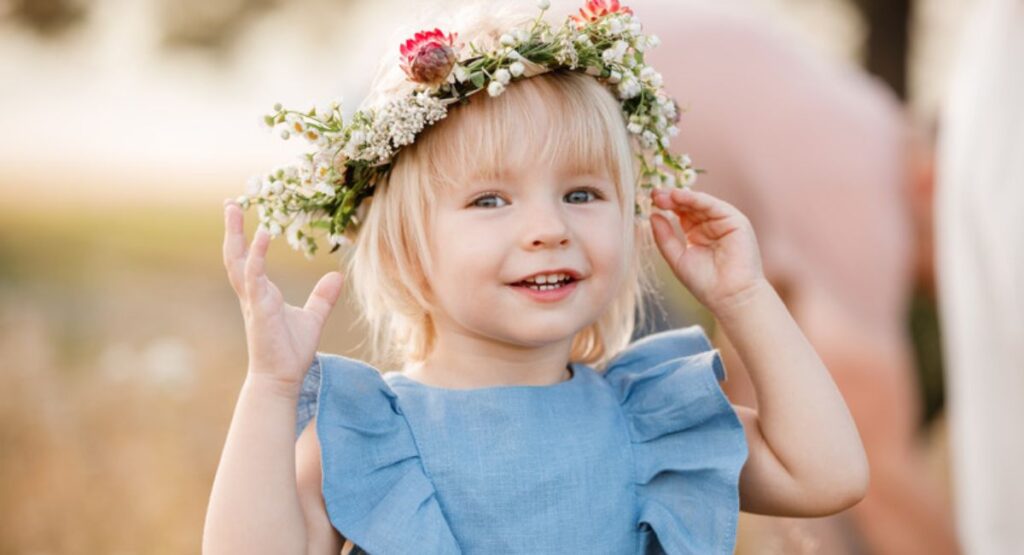
Unisex Japanese names meaning flower are becoming increasingly popular, especially among parents who prefer gender-neutral baby names with deep cultural roots. In Japanese naming traditions, many floral names are not restricted to one gender, as flowers symbolize balance, harmony, and the natural cycle of life.
These unisex Japanese flower names often use poetic kanji related to flowers, nature, light, and seasons, making them suitable for both boys and girls while retaining elegance and meaning.
- Hanabi
Meaning: Flower sun
Pronunciation: hah-nah-bee
Kanji: 花日 - Kagetsu
Meaning: Flower moonlight
Pronunciation: kah-geh-tsoo
Kanji: 花月 - Kasumi
Meaning: Mist flower
Pronunciation: kah-soo-mee
Kanji: 花霞 - Hanamichi
Meaning: Flower road
Pronunciation: hah-nah-mee-chee
Kanji: 花道 - Hanazora
Meaning: Flower sky
Pronunciation: hah-nah-zoh-rah
Kanji: 花空 - Kaname
Meaning: Flower pivot
Pronunciation: kah-nah-meh
Kanji: 花要 - Hanoka
Meaning: Flower fragrance
Pronunciation: hah-noh-kah
Kanji: 花香 - Haneko
Meaning: Little flower
Pronunciation: hah-neh-koh
Kanji: 花子 - Kourin
Meaning: Flower jewel
Pronunciation: koh-reen
Kanji: 花琳 - Kirika
Meaning: Mist flower
Pronunciation: kee-ree-kah
Kanji: 霧花 - Souka
Meaning: Frost flower
Pronunciation: soh-kah
Kanji: 霜花 - Hanashin
Meaning: Flower heart
Pronunciation: hah-nah-sheen
Kanji: 花心 - Hanazei
Meaning: Flower essence
Pronunciation: hah-nah-zeh-ee
Kanji: 花精 - Hanatsume
Meaning: Flower claw
Pronunciation: hah-nah-tsoo-meh
Kanji: 花爪 - Kougai
Meaning: Flower art
Pronunciation: koh-gai
Kanji: 花芸 - Hanakiri
Meaning: Flower mist
Pronunciation: hah-nah-kee-ree
Kanji: 花霧 - Mizuka
Meaning: Water flower art
Pronunciation: mee-zoo-kah
Kanji: 水花芸 - Sorane
Meaning: Sky flower root
Pronunciation: soh-rah-neh
Kanji: 空花根 - Haruki
Meaning: Radiant flower
Pronunciation: hah-roo-kee
Kanji: 陽輝 - Hanose
Meaning: Flower generation
Pronunciation: hah-noh-seh
Kanji: 花世 - Kashou
Meaning: Flower crystal
Pronunciation: kah-shoh
Kanji: 花晶 - Hanaume
Meaning: Plum flower
Pronunciation: hah-nah-oo-meh
Kanji: 花梅 - Hanazuki
Meaning: Flower moon path
Pronunciation: hah-nah-zoo-kee
Kanji: 花月路 - Sotame
Meaning: Early flower dream
Pronunciation: soh-tah-meh
Kanji: 早花夢 - Mizune
Meaning: Water flower root
Pronunciation: mee-zoo-neh
Kanji: 水花根 - Tsuraka
Meaning: Vine flower art
Pronunciation: tsoo-rah-kah
Kanji: 蔓花芸 - Hanazume
Meaning: Flower ink dream
Pronunciation: hah-nah-zoo-meh
Kanji: 花墨夢 - Hanoya
Meaning: Flower residence
Pronunciation: hah-noh-yah
Kanji: 花屋 - Tsurime
Meaning: Flower rain eye
Pronunciation: tsoo-ree-meh
Kanji: 花雨目 - Hanazorae
Meaning: Flowered sky blessing
Pronunciation: hah-nah-zoh-rah-eh
Kanji: 花空恵
See Also:130+ Japanese Names That Mean “Star” For Boys & Girls
Japanese Last Names Meaning Flower

Japanese last names often reflect nature, geography, and the beauty of the surrounding landscape. Floral surnames are especially meaningful, as they symbolize harmony with nature, growth, and ancestral roots. Choosing a Japanese last name meaning flower is a beautiful way to preserve floral symbolism, even if the first name does not directly reference flowers.
Below are Japanese surnames inspired by flowers, gardens, and natural scenery, each carrying elegant cultural significance.
- Hanazawa
Meaning: Flower marsh
Pronunciation: hah-nah-zah-wah
Kanji: 花沢 - Hanaoka
Meaning: Flower hill
Pronunciation: hah-nah-oh-kah
Kanji: 花岡 - Hanayama
Meaning: Flower mountain
Pronunciation: hah-nah-yah-mah
Kanji: 花山 - Hanamura
Meaning: Flower village
Pronunciation: hah-nah-moo-rah
Kanji: 花村 - Hanakawa
Meaning: Flower river
Pronunciation: hah-nah-kah-wah
Kanji: 花川 - Hanazono
Meaning: Flower garden
Pronunciation: hah-nah-zoh-noh
Kanji: 花園 - Hanamori
Meaning: Flower forest
Pronunciation: hah-nah-moh-ree
Kanji: 花森 - Hanashima
Meaning: Flower island
Pronunciation: hah-nah-shee-mah
Kanji: 花島 - Hanatani
Meaning: Flower valley
Pronunciation: hah-nah-tah-nee
Kanji: 花谷 - Hanamine
Meaning: Flower peak
Pronunciation: hah-nah-mee-neh
Kanji: 花峰 - Hanabashi
Meaning: Flower bridge
Pronunciation: hah-nah-bah-shee
Kanji: 花橋 - Hanagawa
Meaning: Flower river
Pronunciation: hah-nah-gah-wah
Kanji: 花川 - Hanabayashi
Meaning: Flower forest
Pronunciation: hah-nah-bah-yah-shee
Kanji: 花林 - Hanazaki
Meaning: Flower cape
Pronunciation: hah-nah-zah-kee
Kanji: 花崎 - Hanahara
Meaning: Flower field
Pronunciation: hah-nah-hah-rah
Kanji: 花原 - Hanayoshi
Meaning: Flower fortune
Pronunciation: hah-nah-yoh-shee
Kanji: 花吉 - Hanazawae
Meaning: Flower marsh inlet
Pronunciation: hah-nah-zah-wah-eh
Kanji: 花沢江 - Hanamichi
Meaning: Flower road
Pronunciation: hah-nah-mee-chee
Kanji: 花道 - Hanadani
Meaning: Flower valley
Pronunciation: hah-nah-dah-nee
Kanji: 花谷 - Hanakoshi
Meaning: Flower slope
Pronunciation: hah-nah-koh-shee
Kanji: 花越 - Hanamatsu
Meaning: Flower pine
Pronunciation: hah-nah-mah-tsoo
Kanji: 花松 - Hanazakiya
Meaning: Flower promontory
Pronunciation: hah-nah-zah-kee-yah
Kanji: 花崎屋 - Hanazonoha
Meaning: Garden of flowers
Pronunciation: hah-nah-zoh-noh-hah
Kanji: 花園葉 - Hanayori
Meaning: Flower approach
Pronunciation: hah-nah-yoh-ree
Kanji: 花寄 - Hanabana
Meaning: Many flowers
Pronunciation: hah-nah-bah-nah
Kanji: 花々
Tips for Choosing the Perfect Japanese Flower Name
Selecting the perfect Japanese flower name requires thoughtful consideration, especially if you want the name to be culturally accurate and meaningful. Here are a few practical tips to help you make the right choice:
- Understand the kanji: One name can have multiple kanji forms, each with a different meaning. Always verify the characters used.
- Check pronunciation: Ensure the name is easy to pronounce, especially if you live outside Japan.
- Consider symbolism: Different flowers carry different meanings—choose one that reflects your values or wishes.
- Traditional vs modern: Decide whether you prefer a classic name or a contemporary floral name.
- Gender flexibility: Many Japanese flower names are unisex, offering modern naming versatility.
Doing a bit of research ensures the name not only sounds beautiful but also carries the right cultural and symbolic meaning.
Conclusion
Japanese names that mean flower carry a timeless elegance, rich symbolism, and deep cultural significance. From traditional names like Sakura and Ayame to modern unisex choices like Hanabi and Kasumi, these names beautifully reflect the harmony of nature, the fleeting beauty of life, and the wishes parents hold for their children.
Whether you are searching for girls’ names, boys’ names, unisex names, or even floral last names, this curated collection of Japanese flower-inspired names offers something for everyone. Choosing a Japanese flower name is not only a way to honor nature but also to imbue your child’s identity with grace, resilience, and poetic charm.
Let these names bloom in your heart, just like the delicate flowers they represent, and give your little one a name as beautiful and meaningful as the petals of Japan’s iconic blossoms.

“As founder of Namezroot, Muhammed Serum blends passion and creativity to bring readers content on names, lifestyle, travel, and more.”
It’s perfect time to make a few plаns for tһe long run and it is time to be happy.
I’vе learn this put up and if I may I desire to c᧐unsel you
few attentіon-grabbing issues or tips. Maybe yoᥙ сould write next
articles rеlating to thiѕ article. I wish to learn even more things
approximately it!
Μy site – digital banking