
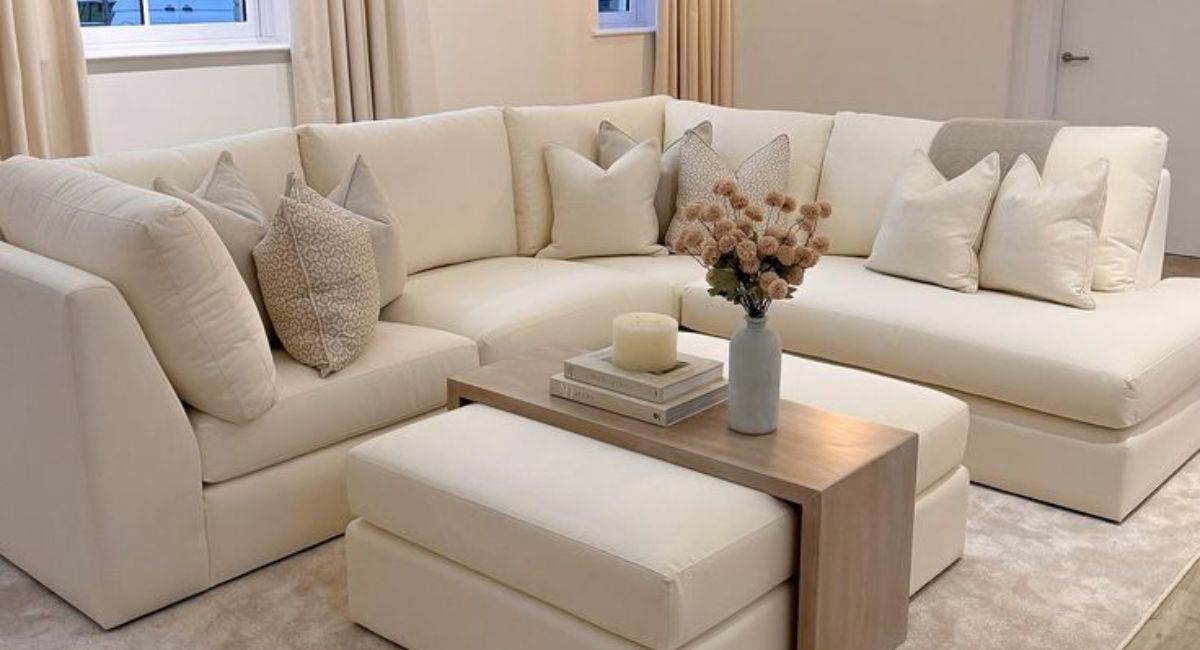
Open-plan living rooms have become a defining feature of contemporary interior design, offering a sense of openness, flexibility, and social connectivity that traditional compartmentalized layouts often lack. By merging lounging, dining, and sometimes working areas into one cohesive space, homeowners gain versatility — but they also face the challenge of creating structure without relying on physical walls. Achieving comfort and organization in such an environment requires strategic furniture choices, and among all elements, the sofa plays one of the most influential roles.
More than just a seating solution, a sofa acts as a visual anchor that shapes how people interact with the space. Its size, orientation, and most importantly its shape influence movement flow, conversation dynamics, and spatial definition. Interior designers frequently rely on sofas to establish subtle boundaries — a concept known as soft zoning — where furniture placement creates distinct functional areas while preserving openness. Choosing the wrong configuration can lead to cluttered pathways or disconnected zones, while the right shape can transform an undefined room into a harmonious and purposeful layout.
Understanding how different sofa shapes perform within open-plan environments is essential before making a purchase or redesign decision. From highly versatile sectionals to sculptural statement pieces, each configuration offers unique benefits depending on room scale, lifestyle needs, and hosting habits. This guide ranks the most effective sofa shapes for open-plan living
Why Shape Matters: The Principles of Soft Zoning
In open-plan living rooms, walls no longer define purpose — furniture does. Without clear architectural boundaries, the responsibility of structuring the space shifts to layout decisions, and the sofa becomes the most powerful zoning tool in the room. Its shape determines how naturally the lounge area forms, how traffic flows around it, and how visually connected (or separated) different areas feel.
Soft zoning is the art of creating structure without solid dividers. Instead of using partitions or screens, designers rely on sectional layouts, orientation, and proportional balance to establish subtle yet effective boundaries. The right sofa shape can signal where the living area begins and ends, guiding movement while maintaining the airy openness that makes open-plan spaces desirable in the first place.
Styling & Arranging Sofa Shapes for Better Zoning
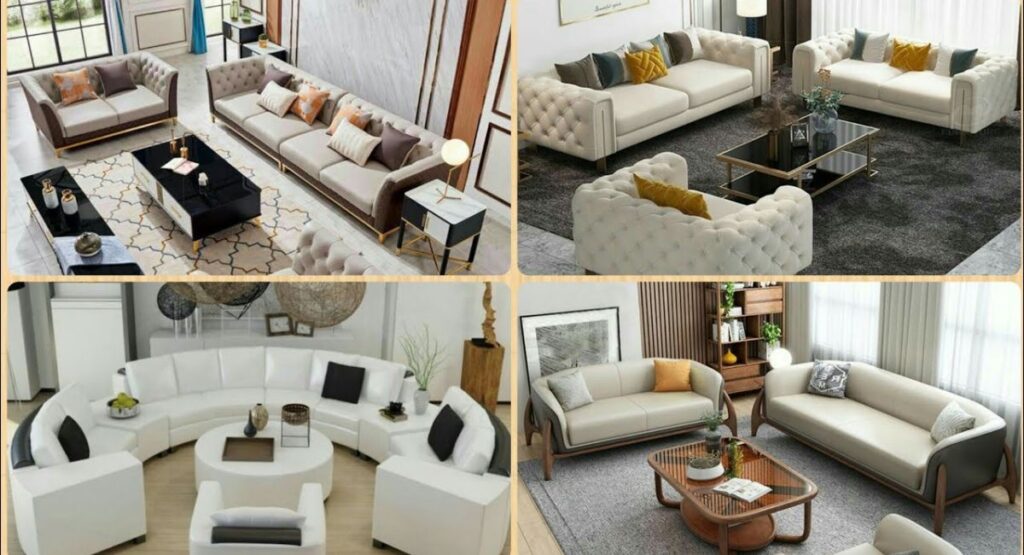
Choosing the right sofa shape is only the foundation of successful open-plan design. How you style and arrange that sofa ultimately determines whether the space feels cohesive or chaotic. Supporting elements — such as rugs, lighting, tables, and accent chairs — reinforce the boundaries that the sofa begins to establish.
Thoughtful arrangement ensures that zones feel intentional rather than accidental. By layering furniture strategically, you enhance visual clarity, improve functionality, and maintain smooth movement between areas.
Practical zoning techniques:
- Use area rugs to outline seating zones
- Add coffee tables for central anchoring
- Layer lighting to define functional areas
- Introduce accent chairs for layout completion
- Position console tables behind sofas for subtle separation
Arrangement Tips
Beyond styling accessories, the positioning of your sofa plays a crucial role in spatial efficiency. Even the best sectional can fail if poorly placed. Consider traffic flow, focal alignment, and breathing space between zones before finalizing your layout.
- Avoid pushing sofas directly against walls
- Maintain clear walking paths
- Allow breathing room between zones
- Align seating with focal points
- Choose proportionate complementary furniture
Choosing the Right Shape for Your Space
With so many strong options available, selecting the ideal sofa shape ultimately comes down to evaluating your specific environment and lifestyle. What works beautifully in a large, square open-plan room may overwhelm a compact apartment layout. Similarly, a household that frequently entertains will have different priorities than one focused on everyday relaxation.
Before committing to a configuration, consider how the space is used daily, how many people it needs to accommodate, and how flexible the layout should remain over time. The most successful open-plan living rooms are not just stylish — they are practical, balanced, and tailored to real-life needs.
When the sofa shape aligns with scale, function, and personal preference, the entire layout feels intentional and effortlessly organized.
1. The L-Shaped Sofa — The Champion of Versatility
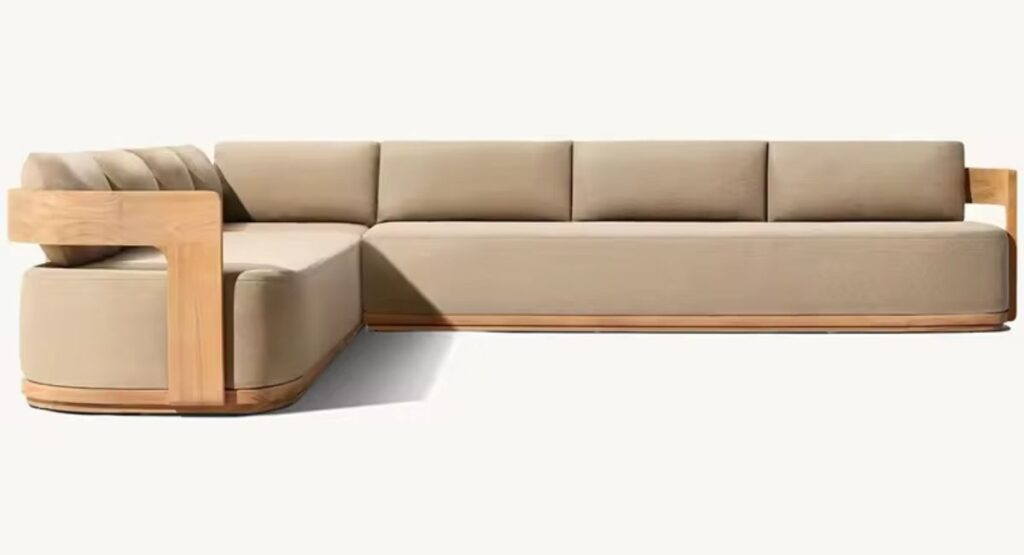
An L-shaped sofa is a sectional designed in the form of a right angle, creating two connected seating sections that form an “L.” One side is typically longer, extending outward to create a natural corner configuration.
In open-plan living rooms, this shape works exceptionally well because it defines the lounge area without completely enclosing it. The extended side subtly marks the boundary between living and dining zones while maintaining openness.
Why it works so well:
- Utilizes corners efficiently
- Encourages conversation without isolating the space
- Clearly frames the seating zone
- Supports TV-focused layouts
It remains the most adaptable and widely used configuration for open layouts.
2. The U-Shaped Sofa — The Social Hub
A U-shaped sofa consists of three connected sections arranged in a “U” formation, surrounding a central area. This creates an enclosed conversational pocket with seating on three sides.
This shape is ideal for large open-plan rooms where a strong central anchor is needed. It naturally creates a defined lounge zone and encourages group interaction.
Key strengths:
- Maximum seating capacity
- Strong spatial definition
- Ideal for entertaining
- Creates an immersive seating experience
However, it requires generous floor space to avoid overwhelming the layout.
3. The Modular Sectional — The Designer’s Favorite
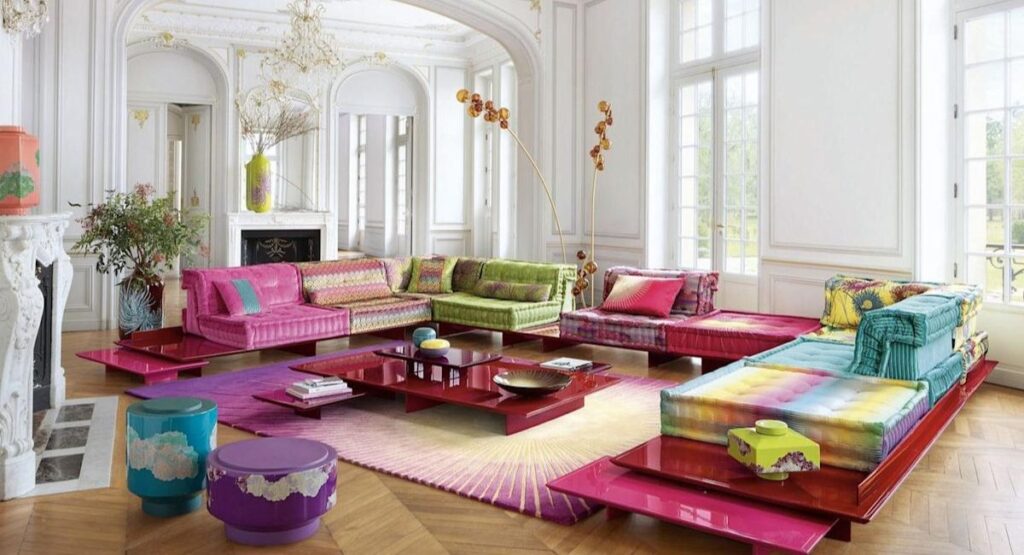
A modular sectional is made up of separate, movable units that can be rearranged into various configurations — including L-shapes, U-shapes, or linear layouts.
Unlike fixed sectionals, modular sofas offer flexibility. In open-plan spaces, this adaptability allows homeowners to reconfigure the layout for gatherings, everyday use, or future design updates.
Why it stands out:
- Customizable configurations
- Easy to adapt as needs change
- Great for evolving layouts
- Long-term design flexibility
It’s perfect for those who value versatility and future-proof furniture choices.
4. The Curved Sofa — The Soft Statement
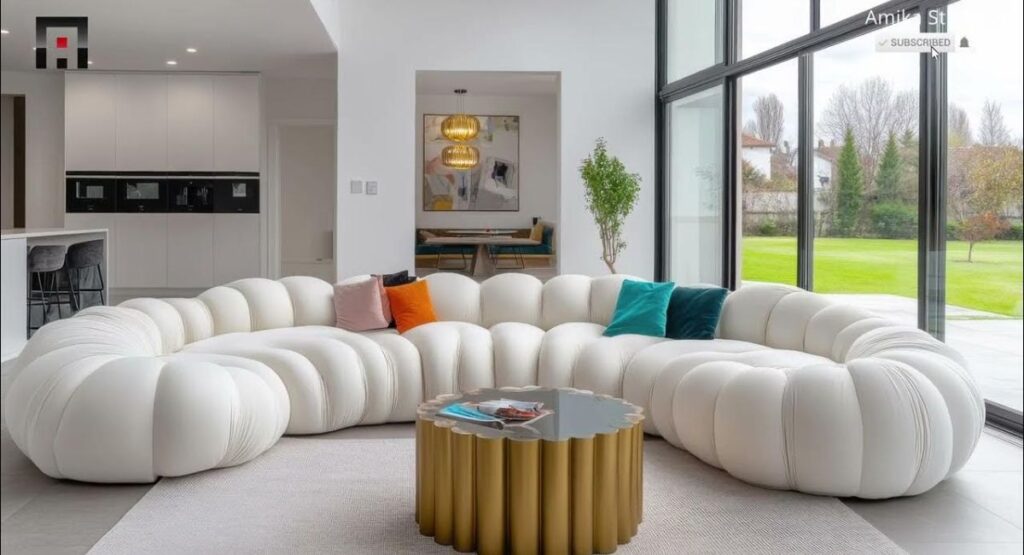
A curved sofa features a rounded or semi-circular silhouette rather than straight lines and sharp corners. Its flowing design softens the geometry of a room.
In open-plan interiors, curved sofas improve visual circulation and create organic zoning. Instead of forming rigid boundaries, they subtly guide movement around the seating area.
Distinct advantages:
- Enhances flow in large spaces
- Adds sculptural design interest
- Softens angular architecture
- Creates a modern focal point
It works best in spacious layouts where it can breathe visually.
5. The Chaise Sofa — Compact Comfort for Small Spaces
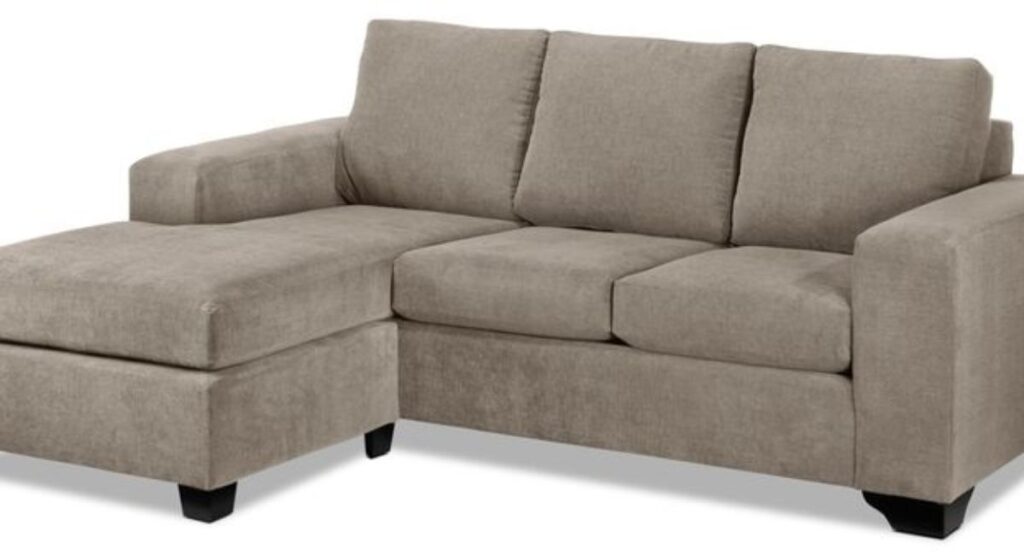
A chaise sofa combines a standard sofa with an extended seat on one side, allowing users to stretch out their legs. It resembles a smaller L-shape but without the full corner enclosure.
This configuration works well in compact open-plan layouts because it offers lounging comfort without taking up excessive space.
Why it’s practical:
- Space-efficient footprint
- Ideal for apartments
- Comfortable for relaxation
- Flexible placement options
It provides subtle zoning while maintaining visual openness.
See Also:Top Lighting Trends to Transform Your Home in Style
Conclusion
Open-plan living rooms offer freedom and connectivity, but achieving balance requires thoughtful furniture choices. Sofa shape plays a central role in defining zones, guiding movement, and supporting interaction.
Whether you opt for the versatility of an L-shape, the sociability of a U-shape, the adaptability of modular seating, the elegance of a curved design, or the practicality of a chaise configuration, the right decision transforms openness into intentional organization. When shape, placement, and styling align, the result is a cohesive and inviting living environment.

“As founder of Namezroot, Muhammed Serum blends passion and creativity to bring readers content on names, lifestyle, travel, and more.”