
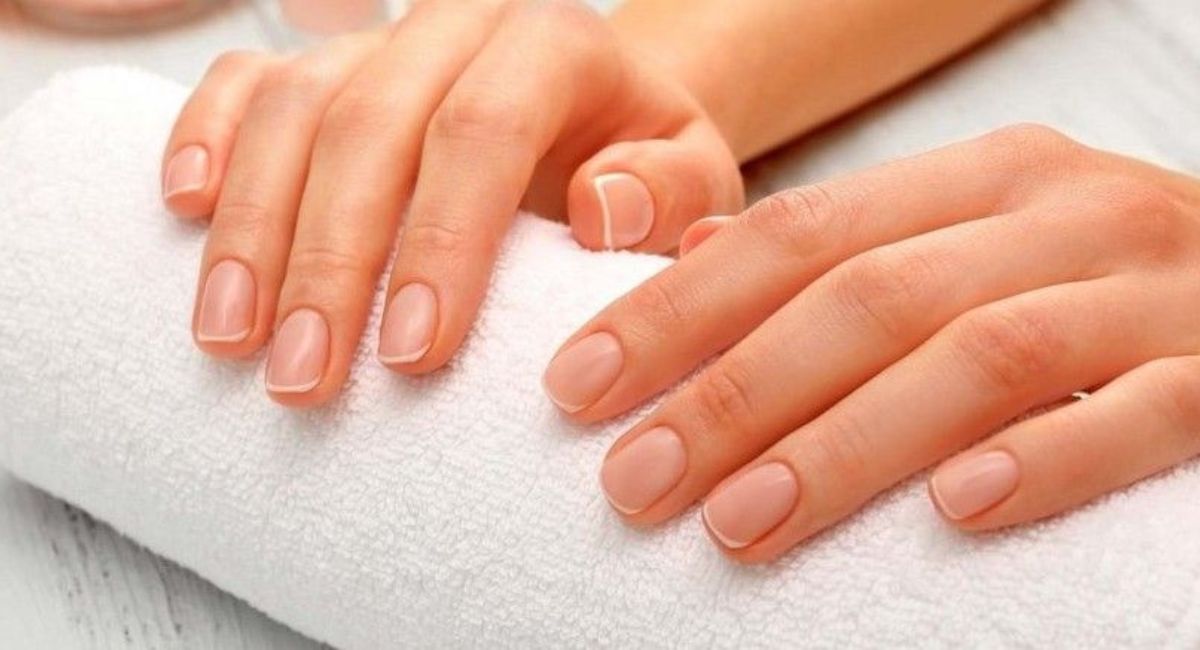
Healthy nails do more than enhance the appearance of your hands—they can also provide valuable clues about your overall health and daily habits. While many people focus on nail polish or manicures, the natural condition of your nails often reflects factors such as nutrition, hydration, hygiene, stress levels, and even certain medical conditions.
Strong, smooth, and evenly colored nails are generally signs of good health. On the other hand, changes like discoloration, ridges, brittleness, or unusual growth patterns may indicate that your body needs attention. In many cases, these changes are harmless and improve with better self-care. However, persistent or sudden nail changes can sometimes point to underlying health issues that require professional evaluation.
In this guide, you’ll learn how to recognize healthy nails, understand what different nail changes may mean, and discover simple habits that support stronger, healthier nails every day.
Understanding Your Nails
Your fingernails and toenails are made primarily of keratin, a tough protein that also forms your hair and the outer layer of your skin. Although nails seem simple, they grow from a specialized area beneath the skin called the nail matrix, where new cells are continuously produced.
Because nail growth is gradual, changes in your health may not appear immediately. In fact, your nails can reflect events that happened weeks or even months earlier, making them a useful indicator of your body’s overall condition.
How Nails Grow
Nails begin growing in the nail matrix, located beneath the cuticle at the base of each nail. As new cells form, older cells are pushed forward, harden with keratin, and create the visible nail plate.
On average, fingernails grow about 3 millimeters (0.1 inch) per month, while toenails grow more slowly. Several factors can influence nail growth, including:
- Age
- Genetics
- Nutrition
- Blood circulation
- Hormonal changes
- Overall health
- Seasonal temperature
Healthy growth depends on receiving enough nutrients, staying hydrated, and protecting nails from repeated damage.
What Healthy Nails Look Like
Healthy nails share several common characteristics. They should be:
- Smooth without deep grooves or pits
- Light pink in color
- Strong but slightly flexible
- Even in thickness
- Free from significant discoloration
- Attached firmly to the nail bed
- Surrounded by healthy cuticles without swelling
Minor vertical ridges often become more noticeable with age and are usually considered normal. However, sudden changes in color, texture, or shape should not be ignored if they persist.
Why Nails Reflect Overall Health
Your nails rely on a steady supply of oxygen, blood flow, vitamins, minerals, and protein to grow properly. When your body lacks essential nutrients or is dealing with illness, nail growth may slow down or produce visible changes.
For example, poor nutrition may lead to brittle nails, while reduced circulation can affect nail color. Certain skin conditions, infections, and chronic illnesses may also alter the appearance of the nails.
Although nails can provide helpful clues, they cannot diagnose a medical condition on their own. Instead, they should be viewed as one piece of your overall health picture.
Nails as a Reflection of Your Self-Care Routine
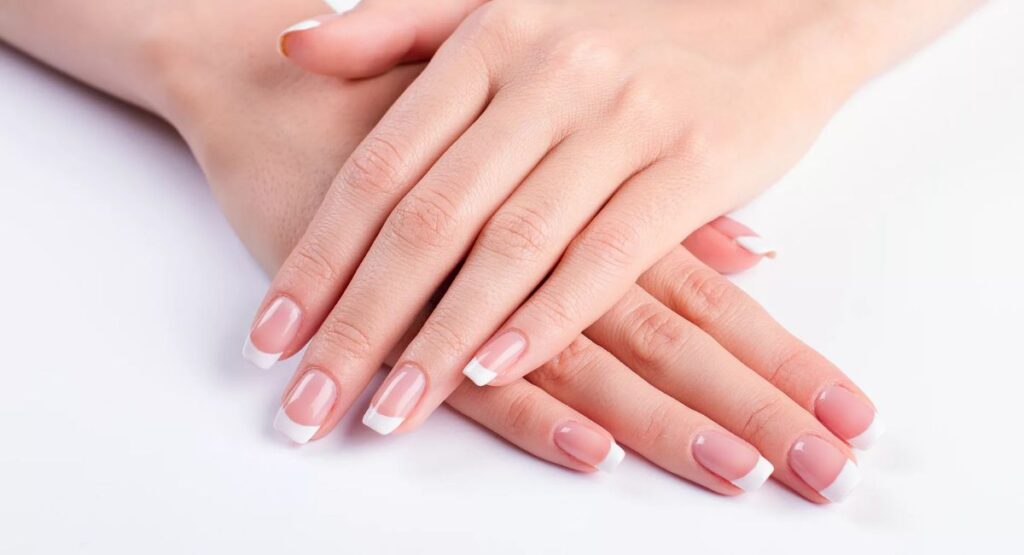
Your daily habits have a significant impact on nail health. Consistent self-care not only improves the appearance of your nails but also helps prevent damage and infections over time.
Daily Habits That Keep Nails Healthy
Many simple lifestyle choices contribute to stronger, healthier nails.
Eat a balanced diet. Nails require protein, iron, zinc, biotin, and several vitamins to grow properly. A diet rich in lean protein, leafy greens, eggs, nuts, beans, fish, and whole grains provides many of the nutrients needed for healthy nail growth.
Stay hydrated. Dehydration can make nails dry, brittle, and more likely to split. Drinking enough water each day helps maintain moisture throughout the body, including your nails.
Protect your hands. Frequent exposure to water, detergents, and cleaning products can weaken nails over time. Wearing protective gloves during household chores helps reduce damage.
Avoid using nails as tools. Opening cans, scraping labels, or picking at hard surfaces places unnecessary stress on the nail plate and increases the risk of cracks or breaks.
Trim nails regularly. Keeping nails at a manageable length reduces the chance of splitting and makes them easier to clean.
The Connection Between Stress and Nail Condition
Stress affects much more than your mental well-being—it can also influence your nail health.
Periods of prolonged stress may slow nail growth, contribute to brittle nails, or encourage habits like nail biting and cuticle picking. Some people also develop horizontal ridges across their nails after experiencing severe illness, injury, or significant emotional stress.
Chronic stress can interfere with sleep, appetite, and hormone balance, all of which play important roles in maintaining healthy nails.
Managing stress through regular exercise, quality sleep, mindfulness, and relaxation techniques may support healthier nail growth while improving overall wellness.
Why Nail Hygiene Matters More Than Appearance
Healthy nails are not simply about looking polished—they’re also an important part of personal hygiene.
Dirt, bacteria, fungi, and other microorganisms can collect beneath long or damaged nails. Keeping nails clean and properly trimmed reduces the risk of infection and helps prevent the spread of germs.
Good nail hygiene includes:
- Washing hands regularly.
- Cleaning beneath the nails gently.
- Keeping nail tools clean.
- Avoiding sharing nail clippers or files.
- Moisturizing hands and cuticles after washing.
- Treating cuts around the nails promptly.
Maintaining clean nails protects both your nails and your overall health.
Building a Healthy Nail Care Routine
A simple daily routine can make a noticeable difference over time.
Start by washing your hands with mild soap and drying them thoroughly. Apply a moisturizing hand cream or cuticle oil to prevent dryness. Trim nails every few weeks using clean nail clippers, then file rough edges in one direction to reduce splitting.
If you wear nail polish frequently, give your nails occasional breaks to minimize dryness. Choose gentle nail polish removers whenever possible, as products containing high amounts of acetone can dry out the nail plate.
Finally, resist the urge to bite your nails or pick at your cuticles. These habits increase the risk of infection and may damage the area where new nails grow.
By combining healthy nutrition, proper hygiene, and gentle nail care, you can support stronger nails that not only look healthier but also reflect your commitment to overall self-care.
See Also: The Moment Medical Detox Becomes The Smartest First Move In Recovery
What Your Nails Can Reveal About Your Health
Your nails can offer important clues about your overall well-being. While occasional changes are often harmless, persistent discoloration, unusual textures, or changes in shape may signal that it’s time to pay closer attention to your health.
Pale Nails
Healthy nails usually have a light pink color due to good blood circulation beneath the nail bed. If your nails appear unusually pale, it could be related to anemia, poor circulation, nutritional deficiencies, or simply the natural aging process.
Temporary paleness isn’t always a cause for concern, but if it persists or is accompanied by fatigue, dizziness, or weakness, it’s worth discussing with a healthcare professional.
White Nails
Small white spots are common and are often caused by minor injuries to the nail. However, nails that appear mostly white with a darker band near the tip may sometimes be associated with liver disease, kidney problems, or other medical conditions.
If most or all of your nails become white without an obvious cause, seek medical advice for a proper evaluation.
Yellow Nails
Yellow nails are frequently linked to fungal nail infections. They may also develop due to smoking, repeated use of dark nail polish, or the natural aging process.
In some cases, persistent yellow nails may be associated with conditions such as diabetes, thyroid disorders, or chronic respiratory problems. If yellow nails become thick, brittle, or separate from the nail bed, professional treatment may be needed.
Bluish Nails
Bluish or purple nails may indicate that your body isn’t receiving enough oxygen. This can occur because of poor circulation, cold temperatures, lung conditions, or heart-related problems.
If bluish nails appear suddenly or are accompanied by shortness of breath, chest pain, or dizziness, seek immediate medical attention.
Green Nails
Green discoloration is commonly caused by a bacterial infection, especially when moisture becomes trapped beneath a damaged nail.
Keeping the affected nail clean and dry is important, but persistent green discoloration should be evaluated by a healthcare professional.
Black or Dark Lines Beneath the Nail
A dark streak beneath the nail may result from an injury that causes bleeding under the nail. However, a dark line that appears without injury or gradually becomes wider should never be ignored.
Although uncommon, it can sometimes be a sign of a serious skin condition. Any unexplained dark streak should be examined promptly by a healthcare professional.
Brown Nails
Brown discoloration may occur from trauma, certain medications, smoking, or repeated exposure to chemicals. In some cases, it can also be linked to nutritional deficiencies or underlying health conditions.
If brown discoloration persists or affects multiple nails, it’s best to seek medical advice.a\
See Also: Relaxing Anti-Stress Massage to Relieve Stress and Tension
Common Nail Problems to Watch For
Beyond color changes, your nails can also develop structural problems that provide clues about your health or daily habits.
Rippled or Ridged Nails
Vertical ridges often develop naturally with age and are usually harmless. Horizontal ridges, however, may appear after a serious illness, infection, injury, or periods of significant physical stress.
If deep ridges suddenly appear across several nails, consult a healthcare professional.
Cracked or Split Nails
Dry weather, frequent handwashing, harsh cleaning products, and repeated exposure to water are common causes of cracked or split nails.
Improving hydration, moisturizing regularly, and protecting your hands with gloves can often prevent further damage.
Brittle Nails
Brittle nails that break easily may result from aging, dehydration, frequent exposure to chemicals, or nutritional deficiencies.
Adding more protein, iron, and biotin-rich foods to your diet while reducing chemical exposure may help strengthen your nails.
Thick Nails
Thickened nails commonly develop with aging or fungal infections. They can also occur due to repeated trauma or certain skin conditions.
Professional treatment may be necessary if thick nails become painful or difficult to trim.
Spoon Nails
Spoon nails curve upward and may hold a drop of water. They are sometimes associated with iron deficiency or other medical conditions.
Because several health issues can contribute to spoon nails, they should be evaluated if they persist.
Clubbed Nails
Clubbing occurs when the fingertips enlarge and the nails curve downward over time. This change may develop gradually and can be associated with chronic heart or lung conditions.
Medical evaluation is recommended if clubbing develops unexpectedly.
Pitted Nails
Small dents or pits in the nail surface may occur in people with psoriasis, eczema, or other inflammatory skin disorders.
Treating the underlying condition often improves nail appearance.
Puffy Nail Fold
Redness, swelling, or tenderness around the cuticle may indicate an infection or inflammation of the surrounding skin.
Early treatment can help prevent complications and protect healthy nail growth.
Peeling Nails
Peeling nails often result from repeated wetting and drying, excessive use of nail polish remover, or nutritional deficiencies.
Keeping nails moisturized and limiting chemical exposure may reduce peeling.
Nail Separation (Onycholysis)
Sometimes the nail lifts away from the nail bed. This may occur because of injury, fungal infection, thyroid disorders, or repeated trauma.
Avoid pulling on the separated nail, and seek medical advice if the problem worsens.
Gnawed Nails
Nail biting is a common habit often triggered by stress, boredom, or anxiety. While occasional nail biting is usually harmless, frequent biting increases the risk of infections and may permanently damage the nail.
Breaking the habit benefits both nail health and overall hygiene.
See Also: The Power of Prayer and Meditation in Children’s Daily Routine
How to Keep Your Nails Healthy
Fortunately, many nail problems can be prevented through simple daily habits.
- Eat a balanced diet rich in protein, iron, zinc, and vitamins.
- Drink plenty of water to prevent dryness.
- Moisturize your hands and cuticles every day.
- Wear gloves when cleaning or gardening.
- Trim nails regularly using clean tools.
- File nails gently in one direction.
- Avoid biting your nails or picking at your cuticles.
- Limit exposure to harsh chemicals and excessive acetone.
- Give your nails occasional breaks from polish and artificial enhancements.
Small, consistent habits often make the biggest difference in maintaining strong, healthy nails.
When Should You See a Healthcare Professional?
Although many nail changes are harmless, some require professional evaluation.
Schedule an appointment if you notice:
- Persistent nail discoloration
- Dark streaks beneath the nail
- Thick, painful, or rapidly changing nails
- Swelling, redness, or pus around the nail
- Nails separating from the nail bed
- Repeated fungal infections
- Sudden changes affecting several nails at once
- Nail changes accompanied by other symptoms such as fatigue, weight loss, or shortness of breath
Early evaluation can help identify whether the problem is related to nail care, an infection, or an underlying medical condition.
See Also:The Power of Choosing Yourself When Life Feels Overcrowded
Conclusion: Healthy Nails, Healthy You
Your nails are more than just a cosmetic feature—they can provide valuable insights into your overall health and self-care habits. Strong, smooth nails often reflect good nutrition, proper hygiene, and healthy daily routines, while persistent changes in color, texture, or shape may signal that your body needs attention.
By eating a balanced diet, staying hydrated, protecting your hands, and following a simple nail care routine, you can keep your nails healthy and reduce the risk of common problems. At the same time, it’s important to remember that nail changes alone cannot diagnose a medical condition. If you notice unusual or long-lasting changes, consult a healthcare professional for an accurate evaluation.
Taking care of your nails is a small but meaningful part of taking care of your overall health. With consistent self-care and attention to any warning signs, you can support healthier nails and a healthier you.

“As founder of Namezroot, Muhammed Serum blends passion and creativity to bring readers content on names, lifestyle, travel, and more.”