
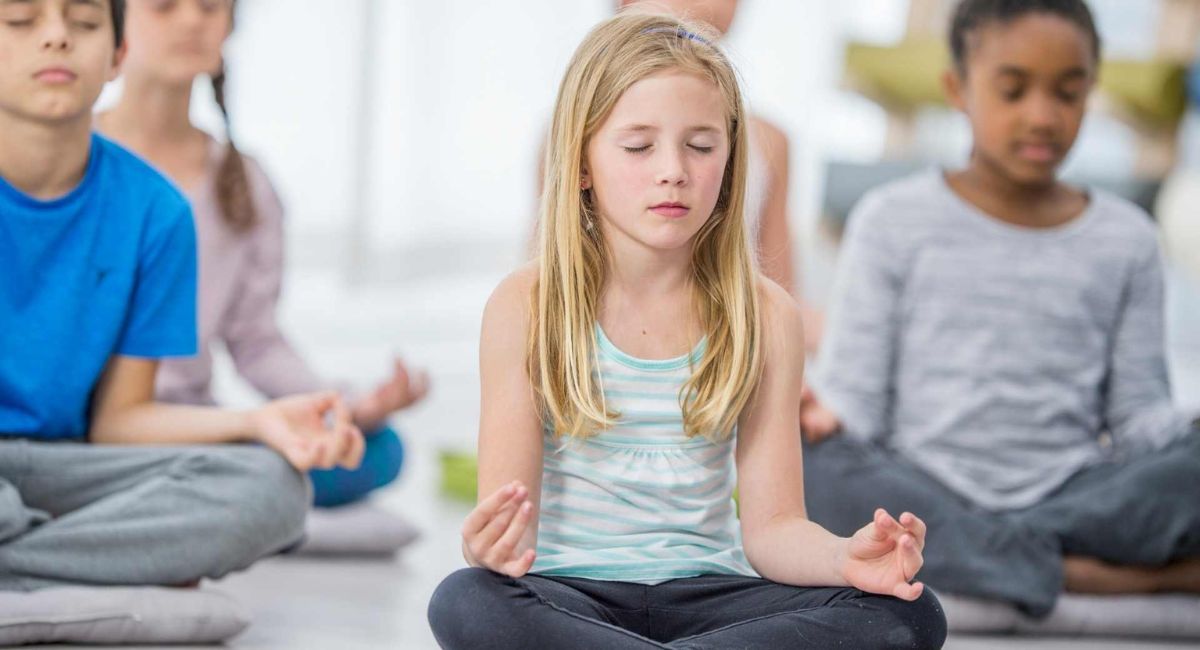
The power of prayer and meditation in children’s daily routine plays an important role in shaping a child’s emotional, mental, and spiritual development. In a busy and distracting world, these simple yet meaningful practices help children slow down, reflect, and connect with their inner self.
When prayer and meditation become part of a child’s everyday life, they encourage calmness, gratitude, and better emotional control. These habits also support focus, reduce stress, and build a strong foundation of mindfulness from an early age.
By gently introducing the power of prayer and meditation in children’s daily routine, parents can help their children develop lifelong skills of peace, resilience, and self-awareness that support their overall growth and happiness.
Why Prayer and Meditation Matter in a Child’s Daily Life
Prayer and meditation play a powerful role in shaping a child’s daily life by creating moments of calm, reflection, and emotional balance. In a world full of distractions, these simple practices help children slow down, focus their thoughts, and feel more centered throughout the day.
When children engage in daily prayer, they begin to develop a sense of gratitude and awareness. It teaches them to appreciate what they have, express their feelings, and build a deeper connection with their inner self or spiritual beliefs. This sense of connection can provide comfort, especially during challenging moments.
Meditation, on the other hand, helps children improve their concentration and mindfulness. Even a few minutes of quiet breathing or guided reflection can make a big difference in how they handle stress, frustration, or anxiety. Over time, this practice supports better decision-making and emotional control.
By making prayer and meditation a regular part of their routine, children learn valuable life skills—patience, self-awareness, and inner peace—that positively influence their behavior, relationships, and overall well-being.
Building Emotional Strength and Inner Peace in Children
Children experience a wide range of emotions every day, from joy and excitement to frustration and sadness. Prayer and meditation provide them with a safe and healthy way to process these feelings, helping them build emotional strength from an early age.
Through prayer, children learn to express their thoughts and emotions openly. Whether they are feeling happy, worried, or confused, having a moment to reflect allows them to release their feelings instead of holding them inside. This habit gradually builds emotional resilience and confidence in handling different situations.
Meditation complements this by teaching children how to stay calm and focused. Simple breathing exercises or quiet moments of stillness can help them manage stress, reduce anxiety, and regain control during overwhelming situations. Over time, this creates a sense of inner peace that supports their mental well-being.
By practicing prayer and meditation regularly, children develop the ability to respond to challenges with patience and clarity. These skills not only help them in childhood but also prepare them for a more balanced and emotionally strong future.
How Daily Prayer Creates a Sense of Security and Belonging
For children, feeling safe and connected is essential for healthy emotional development. Daily prayer can create a comforting routine that gives children a strong sense of security and belonging. It becomes a moment in their day where they feel heard, valued, and supported.
When children pray regularly, they begin to feel that they are not alone in their thoughts and experiences. This belief—whether spiritual or emotional—can provide reassurance during times of fear, uncertainty, or change. It helps them develop trust and confidence in something greater than themselves, which can be deeply calming.
Prayer also strengthens the feeling of belonging within the family. When parents and children pray together, it creates meaningful bonding moments and shared values. These small daily rituals build a sense of unity, love, and emotional closeness that children carry with them.
Over time, this consistent practice nurtures a stable emotional environment where children feel secure, connected, and confident in who they are.
See Also: Seven Bad Habits That Are Holding You Back From Your Best Year Yet
Teaching Mindfulness and Focus Through Meditation
In a world full of distractions, helping children develop focus and awareness is a valuable skill. Meditation introduces children to mindfulness—the ability to stay present and fully engaged in the moment. This simple practice can greatly improve their attention span and overall mental clarity.
Through short and guided meditation sessions, children learn how to concentrate on their breath, thoughts, or surroundings. This helps them reduce restlessness and become more attentive, whether in school or at home. Over time, they become better at listening, learning, and completing tasks without getting easily distracted.
Meditation also encourages children to observe their thoughts without judgment. Instead of reacting impulsively, they learn to pause, think, and respond calmly. This not only improves focus but also supports better emotional control and decision-making.
By practicing mindfulness regularly, children develop a शांत and focused mindset that benefits their academic performance, behavior, and daily interactions.
Encouraging Honest Expression Over Perfect Prayer
One of the most important lessons children can learn is that prayer is not about saying the “perfect” words—it’s about being honest and sincere. When children feel free to express their true thoughts and emotions, prayer becomes meaningful and personal rather than something they feel pressured to get right.
Encouraging children to speak from the heart helps them build confidence in expressing themselves. They can talk about their joys, fears, questions, or even small daily experiences without worrying about making mistakes. This openness strengthens their emotional well-being and helps them feel understood.
When the focus shifts from perfection to connection, children begin to see prayer as a safe space. It becomes a moment where they can be themselves, reflect on their day, and feel a sense of comfort and peace. This also reduces anxiety around “doing it correctly” and replaces it with a feeling of ease.
By guiding children to value honesty over perfection, parents help them develop a deeper and more authentic connection with prayer—one that supports their growth, confidence, and inner peace.
Simple Ways to Introduce Prayer and Meditation to Kids
Introducing prayer and meditation to children doesn’t have to be complicated. The key is to keep it simple, natural, and age-appropriate so that it feels enjoyable rather than a task.
Start by creating small, consistent moments in the day—such as before bedtime or after waking up. A short prayer of gratitude or a few minutes of quiet breathing can gently become part of their routine. Keeping these sessions brief helps children stay engaged and prevents them from feeling overwhelmed.
You can also make the experience interactive. Encourage children to share what they are thankful for, talk about their day, or express their feelings in their own words. For meditation, simple techniques like focusing on the breath, listening to calming sounds, or guided storytelling can be very effective.
Leading by example is equally important. When children see parents practicing prayer and mindfulness regularly, they are more likely to adopt these habits naturally. It creates a positive environment where these practices feel normal and meaningful.
With patience and consistency, prayer and meditation can become a comforting and enjoyable part of a child’s daily life.
Strengthening Family Bonds Through Shared Spiritual Practices
Prayer and meditation are not only personal practices—they can also bring families closer together. When parents and children take time to pray or reflect as a group, it creates meaningful moments of connection that strengthen emotional bonds.
These shared practices encourage open communication and understanding within the family. Children feel more comfortable expressing their thoughts and emotions when they see a supportive and calm environment. It becomes a space where everyone listens, shares, and grows together.
Family prayer also helps build shared values such as gratitude, kindness, and compassion. Over time, these values become part of the child’s character, influencing how they interact with others both at home and outside.
Even a few minutes spent together in quiet reflection or prayer can create lasting memories and a sense of unity. In a busy world, these moments help families stay connected, grounded, and emotionally strong.
Creating a Consistent and Positive Daily Routine for Children
A consistent daily routine gives children structure, stability, and a sense of security. When prayer and meditation are included as part of this routine, they naturally become healthy habits that support emotional and mental well-being.
Children thrive when they know what to expect each day. Adding a few minutes of prayer in the morning or before bedtime, along with simple meditation exercises, helps create a balanced rhythm in their lives. These small practices set a calm tone for the day and help children unwind peacefully at night.
Consistency is more important than duration. Even short, regular moments of mindfulness can have a lasting impact on a child’s focus, behavior, and emotional health. Over time, these practices become second nature, shaping a more peaceful and positive mindset.
By gently integrating prayer and meditation into daily routines, parents can help children develop lifelong habits of mindfulness, gratitude, and emotional balance.
Conclusion
The power of prayer and meditation in children’s daily routine lies in their ability to nurture emotional strength, mindfulness, and inner peace. These simple yet meaningful practices help children feel more secure, focused, and connected to themselves and their surroundings.
When introduced with love, patience, and consistency, prayer and meditation become more than just routines—they become lifelong tools that support a child’s overall growth and well-being.

“As founder of Namezroot, Muhammed Serum blends passion and creativity to bring readers content on names, lifestyle, travel, and more.”