
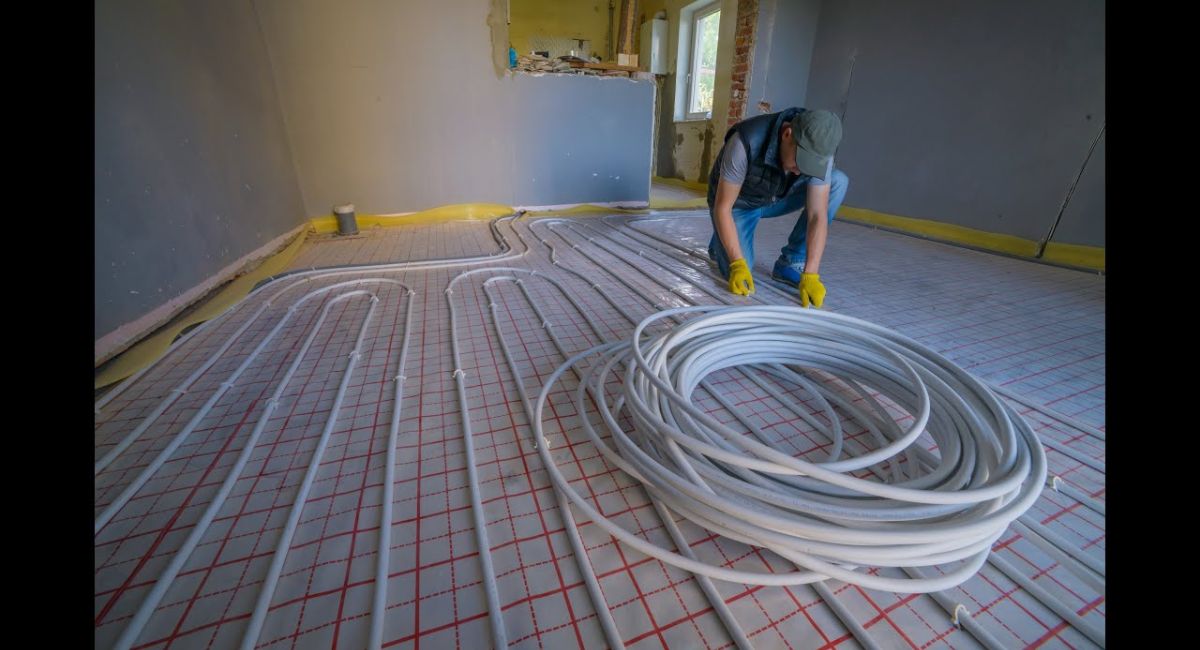
Choosing the right plumbing material is one of the most important decisions during a home repiping project. Many homeowners compare Copper vs PEX Repiping to find the best balance between cost, durability, and long-term performance.
Copper pipes are known for their strength, long lifespan, and reliable water pressure. PEX pipes, on the other hand, are flexible, affordable, and easier to install, making them a popular choice for modern plumbing systems.
In this guide, we’ll compare copper and PEX pipes based on installation costs, maintenance, durability, water quality, and climate performance to help you choose the best pipe for your home.
Why Repiping Your Home Is a Smart Long-Term Investment
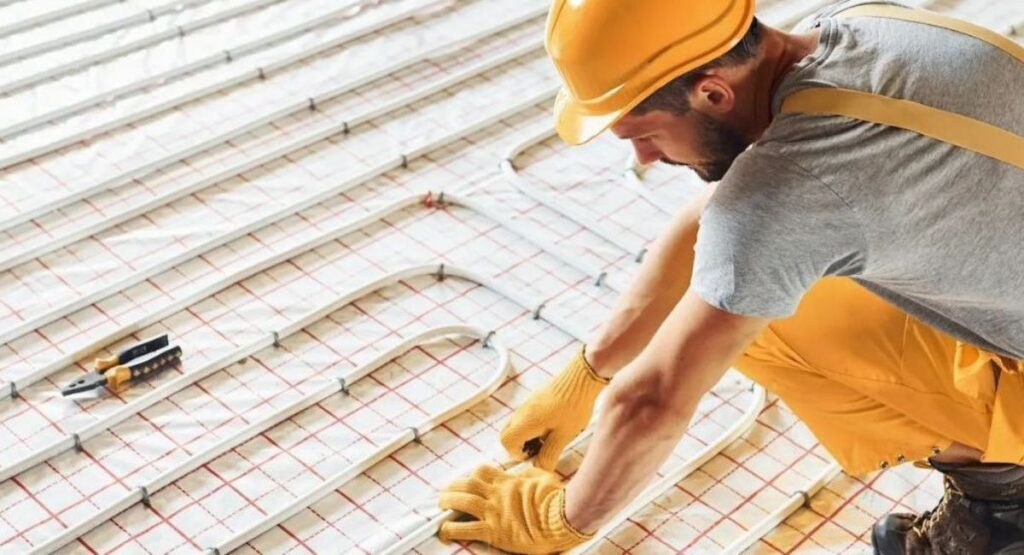
Your home’s plumbing system plays a major role in daily comfort, water quality, and property value. Over time, old or damaged pipes can develop leaks, corrosion, low water pressure, and frequent plumbing issues. Repiping replaces outdated pipes with modern materials like copper or PEX, helping homeowners avoid expensive water damage and future repairs.
Many older homes still use aging galvanized steel or worn-out copper pipes that may no longer perform efficiently. A complete repipe improves water flow, increases plumbing reliability, and supports modern appliances and fixtures. It can also increase your home’s resale value and make the plumbing system more energy efficient.
Signs Your Home May Need Repiping
- Frequent pipe leaks
- Rust-colored or discolored water
- Low water pressure
- Strange pipe noises
- Visible corrosion on pipes
- Rising water bills
- Pipes older than 40–50 years
If these problems continue appearing, a whole-house repipe may be more cost-effective than repeated plumbing repairs.
Benefits of Replacing Old Pipes
Repiping offers several long-term advantages for homeowners:
- Better water pressure throughout the house
- Cleaner and safer drinking water
- Reduced risk of leaks and water damage
- Improved plumbing efficiency
- Lower maintenance costs over time
- Increased property value
Modern plumbing materials such as PEX and copper are designed to last for decades, making repiping a smart home improvement investment.
Why Choosing the Right Pipe Material Matters
The success of a repiping project depends heavily on selecting the right pipe material. Copper and PEX are currently the two most popular choices for residential plumbing systems, but each has different strengths, costs, and performance characteristics.
Copper pipes are known for durability and long-term reliability, while PEX piping is valued for flexibility, affordability, and easier installation. Understanding the differences between these materials helps homeowners choose the best solution for their climate, budget, and water conditions.
See Also:How to Choose a Reliable Housekeeping Agency for Your Home
Understanding the Main Differences Between Copper and PEX Pipes
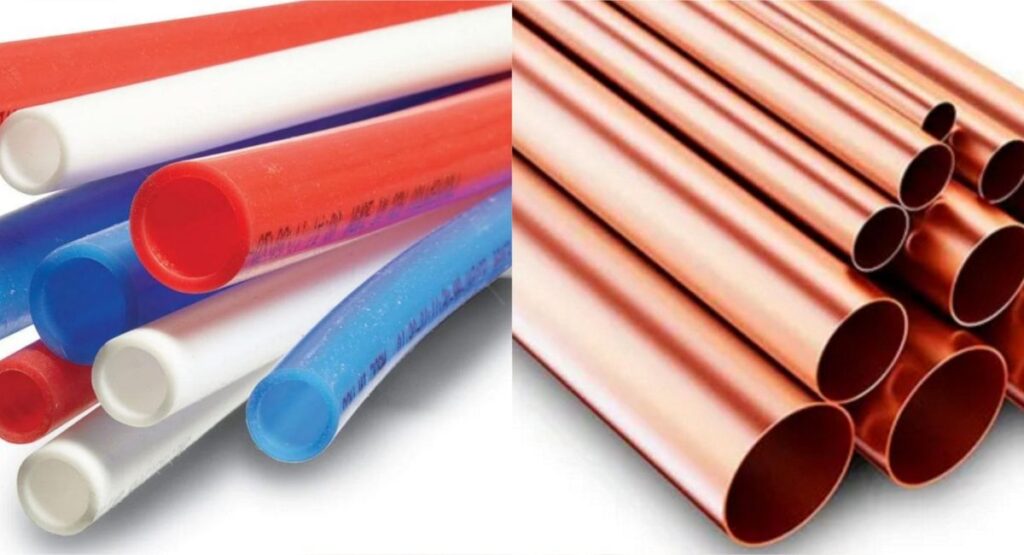
When planning a home repiping project, most homeowners compare two popular plumbing materials: copper and PEX. Both are widely used in modern residential plumbing systems, but they differ in cost, installation, flexibility, durability, and long-term performance.
Understanding how these pipe materials work can help you choose the best option for your home’s plumbing upgrade.
What Are Copper Pipes?
Copper pipes have been used in plumbing systems for decades and are known for their strength and reliability. These metal pipes are commonly installed in both residential and commercial buildings because they can handle high temperatures and maintain strong water pressure.
Copper piping is available in several types, including rigid and flexible forms, and is typically joined through soldering. Many homeowners prefer copper because of its proven lifespan and resistance to UV exposure.
What Is PEX Piping?
PEX, or cross-linked polyethylene piping, is a flexible plastic plumbing material that has become increasingly popular in modern homes. Unlike rigid copper pipes, PEX tubing can bend around corners, making installation faster and easier.
PEX pipes are commonly color-coded for hot and cold water lines and are connected using special fittings instead of soldering. Because of its flexibility and lower material cost, PEX is often chosen for whole-house repiping projects.
Key Differences Between Copper and PEX Pipes
Here are some of the biggest differences homeowners should know before choosing a repiping material:
| Feature | Copper Pipes | PEX Pipes |
|---|---|---|
| Material Type | Metal | Flexible plastic |
| Installation | Requires soldering | Uses fittings and connectors |
| Flexibility | Low | High |
| Cost | More expensive | More affordable |
| Freeze Resistance | Can burst in freezing conditions | Better freeze resistance |
| UV Resistance | Excellent | Limited outdoor UV exposure |
| Lifespan | 50+ years | 40–50 years |
| Noise Level | Louder water flow | Quieter operation |
Which Pipe Material Is More Popular Today?
Both materials remain popular, but many modern homeowners choose PEX because of its affordability and faster installation process. However, copper is still considered a premium plumbing material due to its durability and long-term track record.
The right choice depends on several factors, including:
- Your budget
- Local climate conditions
- Water quality
- Home age and plumbing layout
- Long-term maintenance expectations
In the following sections, we’ll compare the pros, cons, costs, lifespan, and performance of copper and PEX repiping in greater detail.
See Also:How to Set Up Your Yard: Terrace, Barbecue, and Relaxation
Copper Repiping: Pros, Cons, and Ideal Use Cases
Copper piping has been a trusted plumbing material for decades and is still widely used in residential and commercial plumbing systems. Many homeowners choose copper repiping because of its durability, reliability, and long lifespan. Although it usually costs more than PEX, copper remains a premium option for homeowners looking for a long-term plumbing solution.
Before choosing copper repiping, it’s important to understand both its advantages and limitations.
Pros of Copper Repiping
Copper pipes offer several benefits that make them a strong choice for many homes.
Exceptional Durability and Long Lifespan
One of the biggest advantages of copper piping is its durability. Properly installed copper pipes can last 50 years or longer, making them a reliable long-term investment for residential plumbing systems.
Strong Resistance to UV Rays
Unlike PEX pipes, copper piping can handle direct sunlight and outdoor exposure without breaking down. This makes copper suitable for both indoor and certain exterior plumbing applications.
Handles High Temperatures Well
Copper pipes perform extremely well with hot water systems because they tolerate high temperatures without warping or weakening. This makes them ideal for water heater connections and hot water supply lines.
Better for Water Purity
Copper is often considered a safer option for maintaining clean drinking water because it resists bacterial growth better than some plastic piping materials.
Proven Plumbing Material
Many homeowners and plumbers trust copper because it has been used successfully for generations. Its long history provides confidence in its overall performance and reliability.
Cons of Copper Repiping
While copper has many advantages, there are also some drawbacks homeowners should consider.
Higher Installation Costs
Copper repiping is usually more expensive than PEX because the material itself costs more and installation requires skilled labor. Soldering and cutting copper pipes also increase labor time.
Risk of Corrosion in Certain Water Conditions
In homes with acidic water or poor water quality, copper pipes may corrode over time. This can eventually lead to pinhole leaks and costly plumbing repairs.
Less Flexible Than PEX
Copper pipes are rigid and cannot easily bend around walls or corners. This makes installation more complicated, especially in older homes with tight spaces.
Freezing Can Cause Pipe Bursts
In very cold climates, frozen water inside copper pipes may cause them to crack or burst. Proper insulation is important in areas with freezing temperatures.
Best Situations for Copper Repiping
Copper repiping may be the best option for homeowners who:
- Want a long-lasting plumbing system
- Prefer traditional metal piping
- Live in warm or moderate climates
- Need pipes for outdoor or UV-exposed areas
- Plan to stay in their home for many years
- Want strong resale value for their property
Copper is often chosen for high-end homes, custom builds, and homeowners who prioritize durability over lower upfront costs.
Is Copper Repiping Worth the Cost?
Although copper repiping has a higher initial price, many homeowners see it as a worthwhile long-term investment because of its lifespan and reliability. However, the best choice ultimately depends on your budget, local water conditions, and plumbing goals.
In the next section, we’ll explore how PEX repiping compares in terms of flexibility, affordability, and installation convenience.
See Also:10 Common Mistakes To Avoid When Using 3D Wall Panels
Copper Repiping: Pros, Cons, and Ideal Use Cases
Copper piping has been used in home plumbing systems for decades because of its durability and reliable performance. Many homeowners still choose copper repiping for its long lifespan and strong water flow.
Pros of Copper Repiping
Long Lifespan
Copper pipes can last 50 years or more with proper maintenance.
Handles Heat and UV Exposure
Copper works well with hot water systems and can handle direct sunlight better than PEX.
Reliable Water Quality
Copper resists bacteria growth and is often trusted for clean drinking water.
Strong and Durable
Copper pipes are less likely to sag or weaken over time.
Cons of Copper Repiping
Higher Cost
Copper materials and installation are usually more expensive than PEX.
Difficult Installation
Copper pipes require soldering and more labor during installation.
Can Corrode
In areas with acidic water, copper pipes may develop corrosion or pinhole leaks.
Less Flexible
Copper pipes are rigid, making them harder to install in tight spaces.
Best Use Cases for Copper Pipes
Copper repiping is a good choice for homeowners who:
- Want a long-lasting plumbing system
- Live in warmer climates
- Prefer traditional metal pipes
- Need pipes for outdoor or UV-exposed areas
- Plan to stay in their home long-term
Copper remains a premium plumbing option for durability and long-term reliability.
PEX Repiping: Pros, Cons, and Ideal Use Cases
PEX piping has become a popular choice for modern home repiping projects because it is flexible, affordable, and easy to install. Many homeowners choose PEX for its lower cost and ability to handle freezing temperatures better than copper.
Pros of PEX Repiping
Lower Installation Cost
PEX pipes are usually cheaper than copper and require less labor to install.
Flexible and Easy to Install
PEX tubing can bend around corners, making installation faster and simpler.
Better Freeze Resistance
PEX pipes expand slightly when frozen, reducing the risk of bursting.
Quiet Water Flow
PEX reduces water flow noise compared to metal pipes.
Cons of PEX Repiping
Sensitive to UV Rays
PEX pipes should not be exposed to direct sunlight for long periods.
Shorter Lifespan Than Copper
Although durable, PEX may not last as long as copper in some conditions.
Not Ideal for Outdoor Use
PEX is mainly designed for indoor plumbing systems.
Best Use Cases for PEX Pipes
PEX repiping is ideal for homeowners who:
- Want a budget-friendly plumbing upgrade
- Need faster installation
- Live in colder climates
- Have complex plumbing layouts
- Want lower labor costs
PEX is a modern plumbing solution that offers affordability, flexibility, and reliable daily performance for many homes.
PEX vs Copper Cost Comparison: Materials, Labor, and Repairs
One of the biggest factors homeowners consider during a repiping project is cost. In most cases, PEX repiping is more affordable than copper because the material costs less and installation takes less time. (MyHomeQuoter)
Material Cost Comparison
Copper pipes are significantly more expensive than PEX pipes. Copper prices can also fluctuate based on the metal market, making overall project costs less predictable.
| Pipe Material | Average Material Cost |
|---|---|
| PEX | Lower cost |
| Copper | Higher cost |
According to recent repiping estimates, PEX installations can cost 25%–60% less than copper systems for many homes. (Penny Pincher)
Installation and Labor Costs
PEX is flexible and easier to install, which reduces labor time and plumbing costs. Copper installation requires cutting, soldering, and more complex labor.
Most plumbers complete PEX repiping faster than copper installations, which helps homeowners save on labor expenses. (MyHomeQuoter)
Long-Term Maintenance and Repair Costs
PEX generally requires lower maintenance costs because it resists corrosion and freezing better than copper. Copper pipes may develop pinhole leaks in homes with acidic water over time.
However, copper can last longer in ideal conditions, which may offset some repair expenses in the future. (MyHomeQuoter)
Which Option Offers Better Value?
For homeowners focused on affordability, PEX usually provides the best overall value. Copper remains a premium option for those who prioritize long-term durability and traditional metal piping.
The right choice depends on your budget, climate, water quality, and long-term home plans.
PEX vs Copper Repiping Cost Comparison
Average whole-house repiping cost comparison for a typical home.
| material | cost |
|---|---|
| PEX | 8,000 |
| Copper | 14,000 |
Durability, Lifespan, and Water Pressure Performance Compared
Both copper and PEX pipes are durable plumbing materials, but they perform differently in terms of lifespan, strength, and daily water flow.
Lifespan Comparison
Copper pipes are known for their long lifespan and can last 50 years or more with proper maintenance. PEX pipes also offer strong durability and typically last around 40–50 years under normal conditions.
| Pipe Type | Average Lifespan |
|---|---|
| Copper | 50+ years |
| PEX | 40–50 years |
Durability and Resistance
Copper is stronger against UV exposure and high temperatures, making it ideal for outdoor or exposed plumbing. However, it may corrode in homes with acidic water.
PEX is more flexible and handles freezing conditions better because it can expand slightly without cracking. It also resists scale buildup and corrosion.
Water Pressure Performance
Copper pipes usually provide strong and consistent water pressure for long-term use. PEX also delivers reliable water flow, but its flexibility helps reduce noise and vibration inside plumbing systems.
Which Pipe Performs Better Overall?
- Choose copper for maximum lifespan and durability
- Choose PEX for better freeze resistance and flexibility
- Both materials provide reliable daily plumbing performance when properly installed
The best option depends on your local climate, water quality, and budget.
Which Pipe Material Performs Better in Different Climates?
Climate plays an important role when choosing between copper and PEX repiping. Temperature changes, freezing conditions, and sunlight exposure can affect how plumbing pipes perform over time.
PEX Pipes in Cold Climates
PEX is usually the better choice for colder regions because it is flexible and can expand slightly if water freezes inside the pipe. This reduces the risk of bursting during winter temperatures.
PEX is commonly recommended for:
- Cold weather areas
- Homes with freezing temperatures
- Regions with seasonal climate changes
Copper Pipes in Warm Climates
Copper performs very well in warm or moderate climates where freezing is less common. It handles heat and direct sunlight better than PEX and works well for exposed plumbing systems.
Copper is often preferred for:
- Warm-weather regions
- Outdoor plumbing applications
- Homes with high-temperature water systems
Sunlight and UV Exposure
Copper pipes resist UV rays naturally, while PEX pipes can weaken if exposed to direct sunlight for long periods. Because of this, PEX is mainly used for indoor plumbing.
Best Climate Choice
| Climate Condition | Better Pipe Option |
|---|---|
| Freezing temperatures | PEX |
| Warm and sunny climates | Copper |
| Indoor plumbing systems | PEX |
| Outdoor or exposed pipes | Copper |
Choosing the right pipe material for your climate can improve plumbing durability and reduce future repair costs.
Water Quality, Corrosion Resistance, and Maintenance Factors
Water quality can greatly affect the lifespan and performance of your plumbing system. Copper and PEX pipes respond differently to minerals, chemicals, and moisture over time.
Copper and Water Quality
Copper pipes are durable, but they can corrode in homes with acidic water. Over time, corrosion may cause pinhole leaks and reduce pipe lifespan.
However, copper naturally resists bacteria growth and is often trusted for clean drinking water systems.
PEX and Corrosion Resistance
PEX pipes are highly resistant to corrosion, rust, and mineral buildup. Unlike metal pipes, PEX does not corrode from acidic water conditions, making it a low-maintenance plumbing option.
This makes PEX a popular choice in areas with hard water or changing water quality.
Maintenance Requirements
Copper pipes may require more maintenance over time due to possible corrosion or leak repairs. PEX generally needs less maintenance because of its flexibility and resistance to scaling.
| Feature | Copper | PEX |
|---|---|---|
| Corrosion Resistance | Moderate | High |
| Mineral Buildup | Possible | Minimal |
| Maintenance Needs | Higher | Lower |
| Acidic Water Performance | Less ideal | Better |
Which Pipe Is Easier to Maintain?
PEX is usually easier and cheaper to maintain in the long run, especially in areas with poor water quality. Copper remains a reliable option for homeowners who prioritize durability and traditional plumbing materials.
Hybrid Repiping Systems: Using Both Copper and PEX Together
Some homeowners choose a hybrid repiping system that combines both copper and PEX pipes. This approach allows plumbers to use the strengths of each material in different parts of the home.
How Hybrid Plumbing Systems Work
In a hybrid system, copper pipes may be installed in exposed or outdoor areas, while PEX is used inside walls, ceilings, or hard-to-reach spaces. This helps balance durability, flexibility, and cost.
Benefits of Combining Copper and PEX
- Lower overall repiping costs
- Better flexibility during installation
- Strong durability in exposed areas
- Improved freeze resistance indoors
- Balanced performance and efficiency
When a Hybrid System Is a Good Choice
A hybrid repiping system may work best for:
- Large homes with complex plumbing layouts
- Homes in mixed climate conditions
- Homeowners wanting both durability and affordability
- Partial repiping or plumbing renovations
Is a Hybrid Repiping System Worth It?
Using both copper and PEX together can be a smart solution for homeowners who want the benefits of both materials without paying for a full copper repipe. A professional plumber can help determine the best setup for your home’s plumbing system.
Conclusion
Choosing between copper and PEX repiping depends on your budget, climate, water quality, and long-term plumbing goals. Copper pipes offer exceptional durability, strong performance, and a long lifespan, making them a premium choice for many homeowners. PEX piping, on the other hand, is more affordable, flexible, and easier to install, making it a popular option for modern plumbing upgrades.
Both materials provide reliable plumbing performance when properly installed. Homeowners in colder climates may prefer PEX for its freeze resistance, while copper may be better for warm climates and exposed plumbing systems. Some homes can even benefit from a hybrid repiping system that combines both materials.
Before starting a whole-house repipe, it’s important to evaluate your home’s plumbing needs and consult an experienced plumbing professional. The right repiping solution can improve water flow, reduce maintenance costs, and protect your home’s plumbing system for decades.

“As founder of Namezroot, Muhammed Serum blends passion and creativity to bring readers content on names, lifestyle, travel, and more.”