
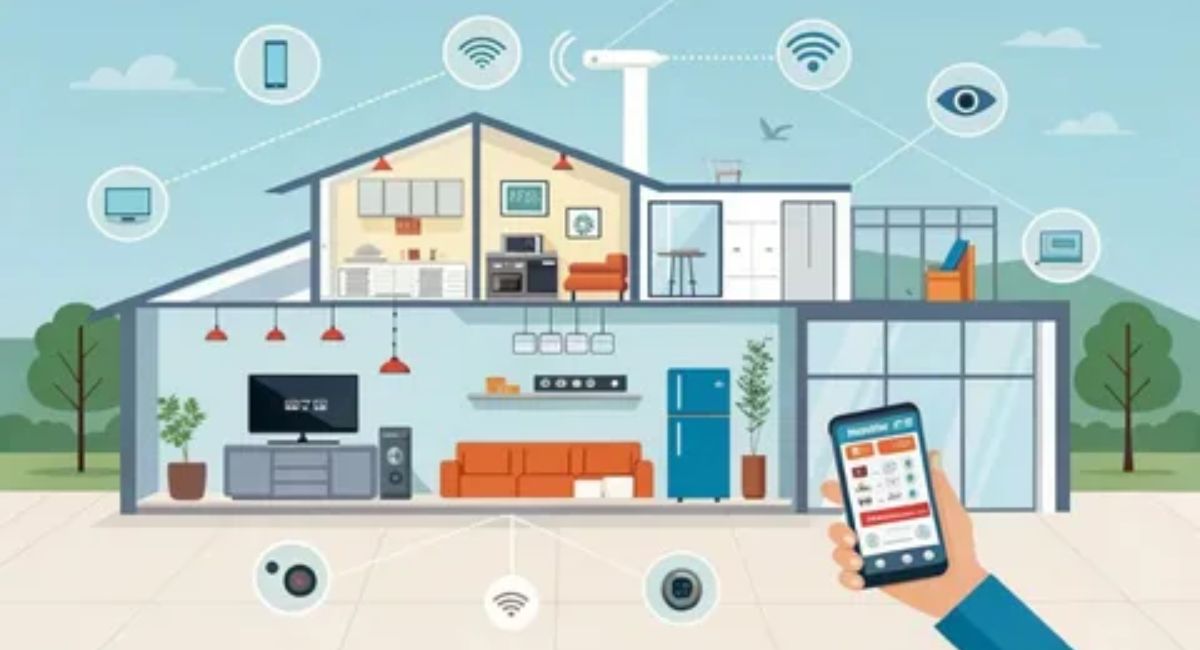
Smart home light switches have evolved far beyond simple on-and-off controls. As modern homes and commercial properties become increasingly connected, these intelligent devices play a crucial role in connected building infrastructure. By combining automation, remote access, and energy management capabilities, smart light switches help property owners create more efficient, secure, and convenient environments.
Whether installed in a residential smart home or integrated into a large-scale building automation system, smart switches provide greater control over lighting and electrical usage. They can communicate with other connected devices, respond to occupancy patterns, and support advanced energy-saving strategies. As a result, smart home light switches are becoming a foundational component of modern smart building technology.
Introduction to Smart Home Light Switches
What Are Smart Light Switches?
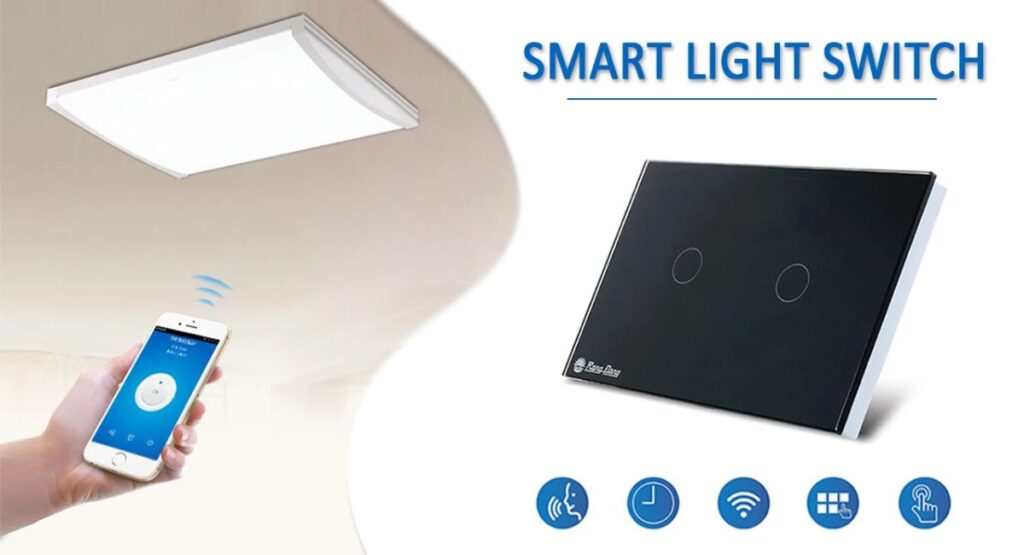
Smart light switches are advanced electrical switches that allow users to control lighting through mobile applications, voice assistants, automation schedules, or centralized management systems. Unlike traditional switches, they connect to a network using technologies such as Wi-Fi, Zigbee, or Z-Wave, enabling remote access and intelligent operation.
These devices can turn lights on or off automatically, adjust settings based on occupancy, and integrate with broader home automation platforms. Their ability to collect and process data makes them valuable tools for improving energy efficiency and user convenience.
Types of Smart Light Switches
Several types of smart light switches are available to meet different installation and operational requirements.
Wi-Fi Smart Switches connect directly to a wireless network, making installation relatively straightforward for homeowners. They offer convenient app-based control without requiring additional hubs.
Zigbee and Z-Wave Switches use specialized communication protocols commonly found in smart home ecosystems. These switches often provide enhanced reliability and lower power consumption.
Dimmer Smart Switches allow users to adjust brightness levels while optimizing energy usage and creating customized lighting environments.
Motion-Activated Smart Switches automatically respond to occupancy, helping reduce unnecessary energy consumption in homes and commercial buildings.
Each type contributes differently to connected building infrastructure, depending on the desired level of automation, scalability, and integration.
How Smart Home Light Switches Work
Traditional Switching Meets Smart Technology
Smart light switches combine standard electrical controls with digital connectivity for automation and remote access.
Communication and Connectivity
These switches use Wi-Fi, Zigbee, Z-Wave, or Bluetooth to receive and execute commands from apps and smart systems.
Remote and Voice Control
Users can control lighting through mobile apps, schedules, and voice assistants for greater convenience.
Integration with Smart Building Systems
Smart switches work with sensors and energy management systems to improve efficiency and automation.
Role in the IoT Ecosystem
By communicating with connected devices, smart switches support intelligent building operations and energy optimization.
See Also:The Importance of Reliable Residential HVAC, Plumbing, and Electrical Services
Technical Integration in Connected Building Infrastructure
Connecting Smart Switches to Building Systems
Smart home light switches become more valuable when integrated with lighting, HVAC, security, and energy management systems.
Communication Through Smart Protocols
Modern switches use Wi-Fi, Zigbee, Z-Wave, Bluetooth, and Ethernet to enable seamless device communication.
Integration with Building Automation
Smart switches work with automation systems to adjust lighting based on occupancy, daylight, and energy demand.
Centralized Monitoring and Control
Facility managers can monitor and manage multiple lighting zones from a single dashboard for greater efficiency.
Interoperability and Scalability
Smart switches communicate with various platforms and devices, making future upgrades and system expansion easier.
Supporting Smart Building Infrastructure
As intelligent control points, smart switches help create efficient, sustainable, and connected building environments.
Key Features of Modern Smart Light Switches
Remote Lighting Control
Users can control lights from anywhere through smartphones, tablets, or web-based platforms.
Scheduling and Automation
Custom schedules allow lights to turn on and off automatically, improving convenience and energy efficiency.
Voice Control Integration
Smart switches work with voice assistants, enabling hands-free lighting management.
Energy Monitoring and Reporting
Advanced switches track power usage and provide insights to help reduce energy consumption.
Occupancy-Based Operation
When connected to motion or occupancy sensors, lights automatically respond to room usage.
Multi-Protocol Connectivity
Support for Wi-Fi, Zigbee, Z-Wave, and other protocols ensures compatibility with smart home and building systems.
Enhanced Control and Efficiency
These combined features make smart light switches an important part of modern smart building technology.
See Also: How Hiring a Professional Plumber Transforms Your Home Plumbing System
One-Pole vs. Three-Way Smart Light Switches
What is a One-Pole Smart Switch?
A one-pole smart switch controls a single light fixture from one location. It is commonly used in bedrooms, bathrooms, and offices where only one control point is needed.
What is a Three-Way Smart Switch?
A three-way smart switch allows control of the same light from two different locations, making it ideal for hallways, staircases, and larger rooms.
Use Cases in Residential and Commercial Spaces
One-pole switches suit smaller, single-access areas, while three-way switches provide flexibility in larger homes and commercial buildings.
Integration with Smart Building Systems
Both switch types can connect with smart home platforms and building automation systems for centralized control and automation.
Installation and Wiring Considerations
Installation depends on existing wiring setups, including neutral wire availability and circuit compatibility, which must be checked before selection.
Choosing the Right Configuration
Selecting between one-pole and three-way switches depends on room layout, user needs, and desired level of lighting control and automation.
Benefits of Smart Home Light Switches for Buildings and Homes
Improved Energy Efficiency
Smart switches automatically turn lights off when spaces are unoccupied, optimize schedules, and support daylight harvesting to reduce energy consumption.
Greater Convenience and Control
Users can control lighting remotely through apps, voice assistants, or centralized systems from anywhere.
Enhanced Safety and Security
Automated lighting can simulate occupancy and improve visibility, helping deter intruders and increase safety.
Real-Time Monitoring and Automation
Lighting systems can adjust automatically based on occupancy, time, or environmental conditions, reducing manual effort.
Seamless Integration with Smart Systems
Smart switches connect with HVAC, sensors, and building management systems for a fully integrated environment.
Scalability and Future Readiness
These systems can be expanded and upgraded easily, making them suitable for evolving smart building technologies.
Overall Impact on Smart Living and Building Efficiency
Together, these benefits make smart light switches essential for creating efficient, safe, and modern connected spaces.
See Also: Copper vs PEX Repiping: Which Pipe Is Best for Your Home?
9 Ways Smart Light Switches Improve Efficiency and Safety
Granular Energy Management
Smart switches provide detailed control over individual lighting zones and circuits. Property owners can monitor power consumption, identify inefficient usage patterns, and reduce overall energy costs.
Predictive Asset Maintenance
Connected lighting systems generate operational data that helps identify potential issues early, reducing downtime and extending equipment lifespan.
Dynamic Hazard Mitigation
Smart switches support safer environments through automated lighting responses, emergency illumination, and enhanced building security.
Occupancy-Driven Load Balancing
Occupancy sensors work with smart switches to adjust lighting based on real-time room usage, improving comfort and reducing energy waste.
Automated Daylight Harvesting
Light sensors enable smart switches to reduce artificial lighting when sufficient natural daylight is available, lowering energy consumption.
Seamless Multi-Protocol Connectivity
Support for Wi-Fi, Zigbee, Z-Wave, and Bluetooth allows smart switches to integrate with various smart home and building automation systems.
Simplified Infrastructure Retrofitting
Many smart switches can be installed within existing electrical systems, making modernization easier and more cost-effective.
Scalable Power Grid Integration
Smart switches support efficient power management and help buildings adapt to evolving smart grid technologies.
Custom Schedule Configuration
Users can create customized lighting schedules that improve efficiency, automate operations, and reduce manual control requirements.
See Also:Dryer Vent Cleaning Mississauga – A Step-By-Step GuideDryer Vent Cleaning
Integrating Smart Light Switches with Other Smart Devices
Connecting with Voice Assistants
Smart switches integrate with voice assistants and smart speakers for convenient hands-free lighting control.
Working with Occupancy and Motion Sensors
These devices automate lighting based on room occupancy, helping improve convenience and energy efficiency.
Integration with HVAC Systems
Smart switches can share occupancy data with HVAC systems to support more efficient climate control.
Compatibility with Building Management Systems
Integration with BMS platforms allows centralized control of lighting, energy use, security, and other building functions.
Enhancing Security Systems
Smart switches can coordinate with alarms, surveillance cameras, and sensors to improve building security.
Supporting Smart Home Ecosystems
Compatibility with platforms like Alexa, Google Home, and Apple HomeKit enables seamless smart home integration.
Creating a Fully Connected Environment
By working with multiple smart devices, smart switches help build efficient, automated, and connected living and working spaces.
The Value of Premium Engineering Alliances
Building Strong Technology Partnerships
Premium engineering alliances bring together manufacturers, developers, and automation experts to create reliable smart building solutions.
Ensuring Seamless System Integration
Well-established technology ecosystems improve compatibility between smart switches, building management systems, and IoT platforms.
Enhancing Reliability and Cybersecurity
Strong partnerships support secure communication, regular updates, and dependable system performance.
Supporting Long-Term Scalability
Future-ready smart switches allow buildings to adopt new technologies without major infrastructure changes.
Maximizing Return on Investment
Solutions backed by experienced engineering partners help improve efficiency, simplify maintenance, and ensure long-term value.
Conclusion
Smart home light switches have become an essential part of modern connected building infrastructure. Far more than simple lighting controls, they support intelligent automation, energy management, remote access, and seamless integration with a wide range of smart devices and building systems.
From improving energy efficiency and enhancing safety to enabling advanced automation strategies, smart switches deliver significant benefits for both residential and commercial properties. Features such as occupancy-driven controls, automated scheduling, daylight harvesting, and multi-protocol connectivity help create smarter and more responsive environments.
As smart building technology continues to evolve, the role of intelligent lighting control will become even more important. By investing in high-quality smart home light switches and integrating them into a broader connected ecosystem, property owners can improve operational efficiency, reduce energy consumption, and build a foundation for a more sustainable and future-ready infrastructure.

“As founder of Namezroot, Muhammed Serum blends passion and creativity to bring readers content on names, lifestyle, travel, and more.”